
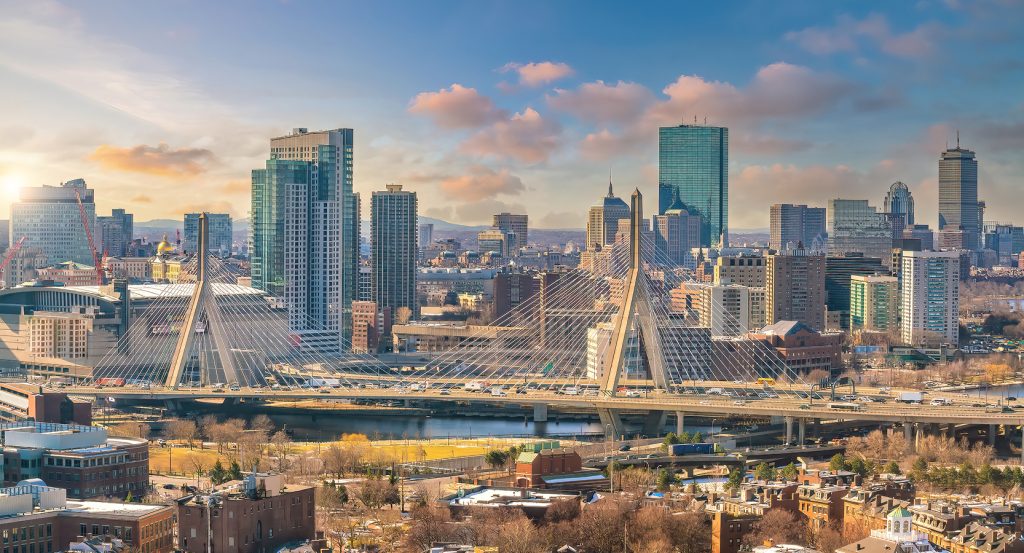
Why you should experience Kenmore Street in Boston, Massachusetts.
Kenmore Street is an elegant corridor where Back Bay's architectural refinement, cultural sophistication, residential prestige, and urban design create one of Boston's most graceful streets.
Running through Back Bay between Fenway-Kenmore and the South End, the corridor follows a compact residential alignment framed by stately brownstones, mature street trees, ornamental ironwork, and carefully proportioned façades that embody the neighborhood's nineteenth-century planning ideals. Each successive block heightens the experience as carved sandstone details, slate mansard roofs, broad stoops, decorative bay windows, and increasingly harmonious streetscapes reveal the remarkable craftsmanship invested in one of Boston's most admired residential districts. The defining moment arrives as the corridor's architectural unity, intimate scale, and enduring residential elegance reveal how Back Bay's visionary planning continues shaping one of the city's finest urban environments. The result is an experience defined by architectural harmony, historical continuity, and one of Back Bay's most distinguished corridors.
What you should know about Kenmore Street.
Kenmore Street is best known for developing during the late nineteenth-century expansion of Back Bay, when the filling of the Back Bay tidal basin created one of America's most ambitious planned residential neighborhoods. Construction surrounding the corridor accelerated between the 1870s and the 1890s, introducing distinguished Victorian Gothic, Second Empire, Romanesque Revival, and Beaux-Arts residences built with brownstone, red brick, sandstone, slate roofing, ornamental ironwork, and finely carved architectural ornament that continue defining the corridor's character. Strict architectural guidelines governing building height, setbacks, and façade composition produced an unusually cohesive residential streetscape that remains one of Back Bay's defining qualities. Expansion of nearby cultural institutions, commercial activity along Commonwealth Avenue, and improved street railway connections reinforced Kenmore Street's role within Boston's most prestigious residential quarter. Collectively, the neighborhood's engineered landmaking, disciplined planning, accomplished architecture, and sustained residential development established Kenmore Street as one of Back Bay's defining historic corridors.
Preservation became the defining thread shaping the corridor as the Back Bay Architectural Commission, established in 1966, began safeguarding the neighborhood's exterior architectural character through one of Boston's most comprehensive historic preservation programs. That stewardship strengthened appreciation for original brownstone façades, ornamental iron fences, carved lintels, slate roofs, and masonry craftsmanship while encouraging sensitive restoration across successive generations of residential buildings. Skilled stone carvers, ironworkers, slate roofers, and restoration masons have continued preserving these historic materials, ensuring that Kenmore Street retains the architectural integrity envisioned during Back Bay's formative decades. Together, these preservation efforts, enduring artisan traditions, and carefully maintained residential buildings demonstrate how Kenmore Street continues expressing the exceptional planning and craftsmanship that distinguish Back Bay from nearly every other nineteenth-century neighborhood in America.
How to fold Kenmore Street into your trip.
Kenmore Street works as a walk through Back Bay's architectural legacy, cultural sophistication, and carefully planned urban landscape.
Begin at Commonwealth Avenue Mall, where Frederick Law Olmsted's tree-lined boulevard introduces the planning vision and residential elegance that naturally continue along Kenmore Street. Continue to The Mapparium, where an immersive stained-glass globe offers an unexpected cultural perspective while expanding appreciation for Back Bay's longstanding relationship with education, architecture, and intellectual life. Conclude at The First Church of Christ, Scientist Plaza, where grand reflecting pools, distinguished architecture, and one of Boston's most memorable civic spaces provide the experiential payoff by revealing how Back Bay's residential refinement seamlessly transitions into one of the city's great cultural landscapes. The progression moves naturally from visionary boulevard planning to intellectual discovery before culminating within a civic setting that showcases the architectural ambition defining Back Bay.
Where your story begins.
Foresyte Travel reveals places that feel extraordinary long before you arrive.
Experience premium editorial crafted for luxury travelers.







































































































