
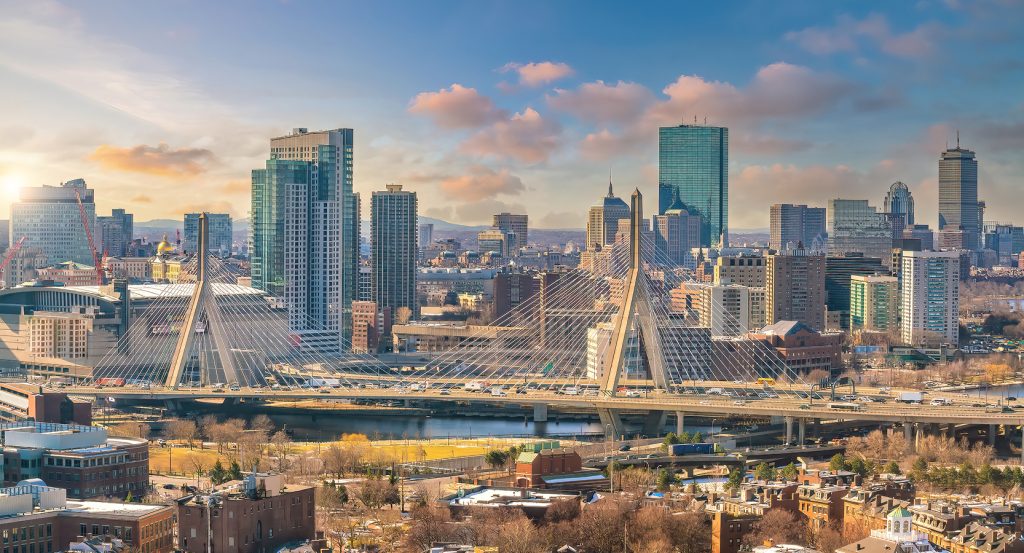
Why you should experience Lincoln Street in Boston, Massachusetts.
Lincoln Street is a historic Chinatown corridor where commercial enterprise, immigrant heritage, and architectural evolution converge along one of Downtown's enduring business streets.
Running through Chinatown between Essex Street, Kneeland Street, and Beach Street, this energetic corridor connects historic commercial buildings, neighborhood restaurants, wholesale businesses, cultural institutions, architecturally significant office blocks, and welcoming public spaces that collectively showcase Boston's remarkable evolution as a center of commerce and immigration. Historic masonry architecture, thoughtfully revitalized storefronts, thriving independent businesses, architecturally distinguished commercial buildings, welcoming pedestrian environments, and enduring neighborhood character create an urban landscape where generations of merchants, immigrants, entrepreneurs, artisans, residents, and visitors have shaped one of New England's defining urban corridors. Lincoln Street has continually adapted to Boston's changing commercial landscape while preserving its longstanding role as an important gateway between Downtown Crossing, the Financial District, and Chinatown. The result is a corridor defined by commercial vitality, cultural richness, and lasting historical significance.
What you should know about Lincoln Street.
Lincoln Street is best known for preserving the former headquarters of R. H. White Company, whose flagship department store pioneered large-scale retailing in Boston and became one of New England's most influential commercial enterprises during the late nineteenth and early twentieth centuries.
Founded in 1858, R. H. White Company expanded into one of America's great department stores, introducing innovative merchandising, modern retail practices, and expansive showroom spaces that transformed downtown shopping. Its Lincoln Street complex became a landmark of Boston's commercial prosperity, employing thousands of workers while attracting customers from across New England. Although the retail era eventually passed, the historic buildings remain enduring reminders of Boston's prominence as a regional shopping destination. That extraordinary commercial legacy has established Lincoln Street as a corridor rooted in one of New England's defining retail success stories.
How to fold Lincoln Street into your trip.
Lincoln Street works as an exploration of Boston's commercial history, cultural diversity, and historic architecture.
Begin along Lincoln Street, where historic commercial buildings immediately establish the corridor's defining identity. Continue toward Chinatown Gate, where one of Boston's most recognizable neighborhood landmarks provides broader perspective on the area's extraordinary immigrant heritage and cultural identity. From there, make your way to the Boston Opera House, where one of the city's finest restored performance venues provides a memorable conclusion while celebrating Downtown's enduring artistic and architectural legacy. Along the way, you'll encounter architecturally significant commercial blocks, welcoming neighborhood streets, thriving local businesses, beautifully preserved historic buildings, celebrated cultural landmarks, and energetic gathering places that reveal Chinatown's exceptional depth. The progression moves naturally from a historic commercial corridor to Boston's symbolic gateway to Chinatown to one of the city's grandest historic theaters, demonstrating how Lincoln Street connects commercial innovation, community life, and cultural discovery.
Where your story begins.
Foresyte Travel reveals places that feel extraordinary long before you arrive.
Experience premium editorial crafted for luxury travelers.







































































































