
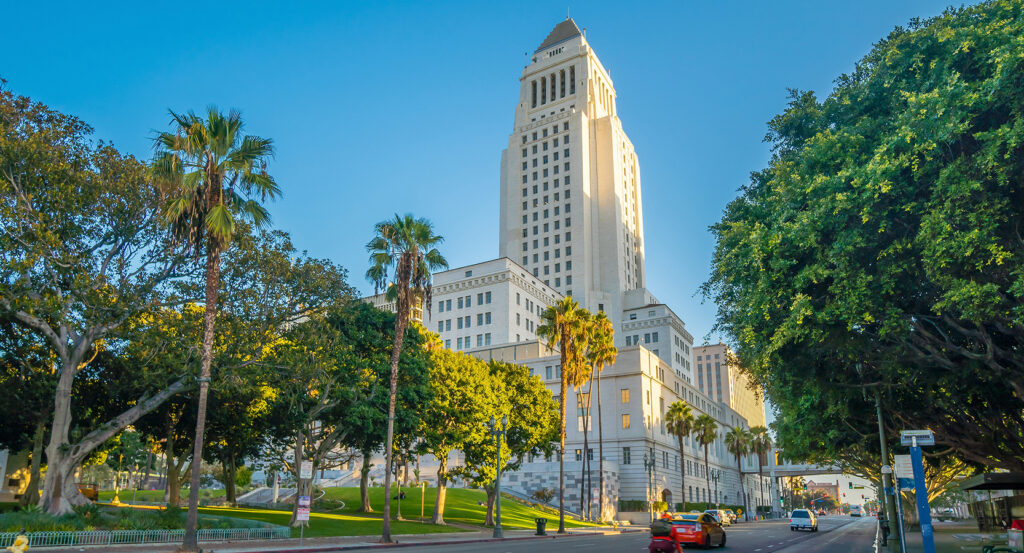
Why you should experience Majordomo in Los Angeles, California.
Majordomo is a controlled explosion of scale, confidence, and cultural intention, delivering a dining experience that feels architectural, assertive, and unmistakably Los Angeles in its ambition.
Majordomo never behaved like a neighborhood restaurant, and that was the point. Located in Downtown, the space was conceived as a statement rather than a refuge, a place where size, volume, and energy were not softened but organized. From the moment you approached the building, there was a sense of threshold. You were not slipping into a room; you were entering a complex. Inside, the dining room unfolded with dramatic proportion. High ceilings, long sightlines, and a layout that favored openness over intimacy created an atmosphere that felt expansive and kinetic. The room was designed to hold movement, noise, and momentum. This was not a space built for quiet reverence. It was built to carry weight. The kitchen sat at the center of that gravity. Open, visible, and unavoidably present, it reinforced the idea that cooking here was an act, not a background process. Fire, smoke, and motion were part of the physical field, shaping how the room felt and how the meal progressed. The energy was intentional. Loud, but not careless. Busy, but not unfocused. The environment demanded attention and rewarded it with clarity. Majordomo's menu mirrored the architecture. Bold, declarative, and built for sharing, the food leaned heavily into Korean influence filtered through Los Angeles sensibility, not as fusion but as assertion. Proteins arrived in commanding portions, designed to anchor the table. Meat was central, unapologetically so, treated with respect and force. Smoke, fat, salt, and heat played primary roles, creating dishes that felt grounded and visceral. Vegetable dishes existed not as balance tokens but as counterpoints, offering texture, acidity, and relief. The cooking did not ask permission. It stated intent. Dishes were meant to be assembled, shared, and discussed rather than plated politely for individual consumption. There was an inherent social contract embedded in the menu: you eat together, you decide together, you engage together. The beverage program reinforced this scale-driven philosophy. Wines and drinks were selected to stand up to the food's intensity. Bottles were chosen for structure, weight, and presence, capable of holding their own at a table where flavors arrived with force. Cocktails leaned bold and direct, favoring clarity over ornamentation. Nothing here was meant to disappear quietly. Service at Majordomo moved with authority. The staff operated less like servers and more like conductors, managing large tables, pacing heavy plates, and guiding decisions. There was confidence in the interaction. The room required it. This was not a place for tentative recommendations or over-explanation. The assumption was that you were here to commit. Downtown provided the appropriate backdrop.
What you should know about Majordomo.
Majordomo was conceived less as a restaurant and more as an ecosystem, designed to explore how scale and cultural character could coexist.
From its earliest conception, the project rejected the idea that intimacy was a prerequisite for quality. Instead, it asked a different question: what happens when you apply discipline and intention to largeness. The answer shaped every decision. The room's size was not an accident. It was meant to hold multiple energies at once, allowing different tables, moods, and rhythms to coexist. This required precise control of layout, circulation, and acoustics. The space feels loud because it is meant to feel alive, but the sound is absorbed and redirected. A lesser-known strength of Majordomo lay in its resistance to trend alignment. While many contemporary restaurants softened their identities to appeal broadly, Majordomo leaned harder into specificity. Korean influence was not diluted or translated for comfort. It was expressed directly, trusting diners to meet it where it stood. This confidence created polarization, and that polarization was intentional. Majordomo was not designed to be universally loved. It was designed to be unmistakable. The menu structure reinforced this stance. Large-format dishes and shared plates were not optional suggestions; they were the default mode of engagement. This forced a social dynamic that shaped the experience. You could not dine here passively. You had to negotiate, decide, and participate. That participation slowed the meal in a different way than fine dining, creating pauses driven by conversation and coordination. The kitchen's relationship with fire and smoke also played a deeper role than flavor alone. Cooking methods were chosen not just for taste, but for the way they communicated labor and intent. The presence of smoke in the room, the visible heat, and the physicality of preparation reinforced the idea that cooking here was work, not illusion. Beverage decisions followed similar logic. Rather than building a list around rarity or prestige, selections were made based on how they interacted with food at scale. This resulted in a program that favored structure and endurance over fragility. Another underappreciated aspect of Majordomo was its cultural positioning within Los Angeles. It arrived at a moment when the city's dining scene was wrestling with identity, influence, and ownership. Majordomo did not ask to be placed gently into that conversation. It inserted itself. Its presence expanded the idea of what a Los Angeles restaurant could be: loud without being careless, culturally rooted without being nostalgic, large without being hollow. That ambition is what made it divisive, and also what made it memorable.
How to fold Majordomo into your trip.
Majordomo works best when you approach it as the centerpiece of an evening rather than a component, allowing its scale and energy to define the night rather than compete with it.
Arrive with a group. This is not a solo experience and it is not designed for cautious ordering. Come prepared to share, debate, and commit. Start by anchoring the table with one or two large-format dishes, then build outward with contrasting flavors and textures. Trust the kitchen's strengths. Lean into smoke, richness, and heat early, allowing the meal to establish weight before seeking balance. Drinks should match the intensity. Choose wines or cocktails that feel structured and confident. Let the room set the pace. Conversation will rise and fall with the noise, becoming part of the experience. Do not rush the meal. Majordomo is not about elegance through restraint; it is about immersion through presence. Allow the table to linger in moments of decision and digestion. The experience improves when you stop trying to control it. After the meal, step back into Downtown and notice how the city feels sharper, louder, and more kinetic by comparison. That contrast is part of the design. Majordomo was never meant to fade quietly into the background of a night out. It was meant to assert itself, leave an impression, and demand engagement. When approached with openness and appetite, it delivered something rare in Los Angeles: a dining experience that felt unapologetically large, culturally anchored, and willing to take up space.
Where your story begins.
Foresyte Travel reveals places that feel extraordinary long before you arrive.
Experience premium editorial crafted for luxury travelers.





































































































