
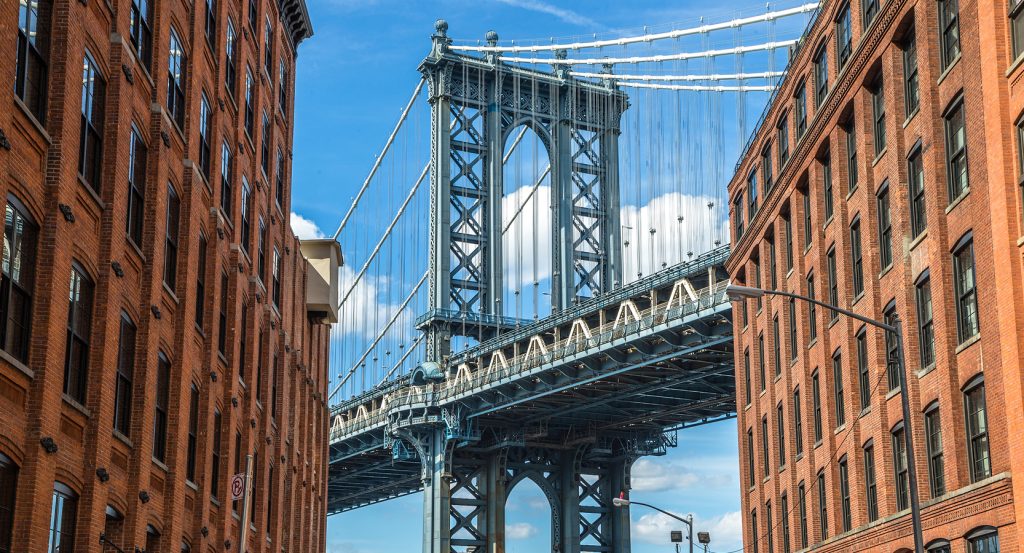
Why you should experience Monroe Street in New York, NY.
Monroe Street is a historic Bedford-Stuyvesant corridor where brownstone architecture, African American heritage, and neighborhood resilience converge along one of Central Brooklyn's most distinguished residential streets.
Running through Bedford-Stuyvesant between Clinton Hill and Bushwick, this elegant corridor connects landmark brownstone blocks, historic churches, neighborhood institutions, community businesses, and residential streets that showcase Brooklyn's remarkable architectural legacy. Ornate Neo-Grec rowhouses, Romanesque Revival residences, mature tree canopies, decorative masonry, and welcoming stoops create a streetscape where nineteenth-century craftsmanship and enduring community character remain inseparable. Monroe Street flourished during Brooklyn's late nineteenth-century building boom, attracting merchants, educators, skilled tradespeople, and civic leaders while later becoming part of one of America's most influential centers of Black culture, entrepreneurship, music, and public leadership. To the west, Clinton Hill extends this architectural tradition through interconnected historic districts and cultural landmarks that reinforce the corridor's enduring significance. The result is a corridor defined by architectural excellence, cultural legacy, and neighborhood authenticity.
What you should know about Monroe Street.
Monroe Street is best known for passing through the Stuyvesant Heights Historic District, designated a New York City Historic District in 1971, preserving one of the nation's finest collections of late nineteenth-century residential architecture.
The designation protects hundreds of Neo-Grec, Queen Anne, Romanesque Revival, and Renaissance Revival rowhouses whose remarkable craftsmanship reflects Bedford-Stuyvesant's emergence as one of Brooklyn's premier residential neighborhoods during the Gilded Age. Monroe Street showcases this legacy through richly ornamented brownstones, carved stone details, decorative cornices, and remarkably cohesive residential blocks that remain largely unchanged. The protected district established one of New York City's earliest large-scale neighborhood preservation efforts while safeguarding an architectural landscape that continues to define Bedford-Stuyvesant's identity.
How to fold Monroe Street into your trip.
Monroe Street works as an exploration of Bedford-Stuyvesant's architectural heritage, cultural institutions, and neighborhood history.
Begin at Herbert Von King Park, where historic recreational grounds immediately establish the corridor's connection to community life and civic investment. Continue toward the Billie Holiday Theatre, whose acclaimed performances celebrate the artistic traditions that continue to shape Bedford-Stuyvesant's cultural identity. From there, make your way to the Weeksville Heritage Center, where the preserved free Black community founded in 1838 provides powerful historical context for the neighborhood's enduring legacy of leadership, entrepreneurship, and self-determination. Along the route, you'll encounter beautifully preserved brownstones, neighborhood cafés, independent businesses, architecturally significant churches, community institutions, and elegant residential streets that reveal the corridor's exceptional depth. The progression moves naturally from landmark public park to celebrated performing arts venue to nationally significant historic site, demonstrating how Monroe Street connects architecture, culture, and history within one of Brooklyn's most influential neighborhoods. Monroe Street remains one of the borough's most rewarding residential corridors, preserving a distinctive balance between historic preservation, architectural excellence, and cultural significance.
Where your story begins.
Foresyte Travel reveals places that feel extraordinary long before you arrive.
Experience premium editorial crafted for luxury travelers.







































































































