
Why Mooncusser matters.
Mooncusser is an acclaimed seafood restaurant where Back Bay's architectural elegance meets the maritime traditions of New England, the precision of contemporary fine dining and a seasonal tasting menu shaped by the Atlantic coast's extraordinary culinary resources.
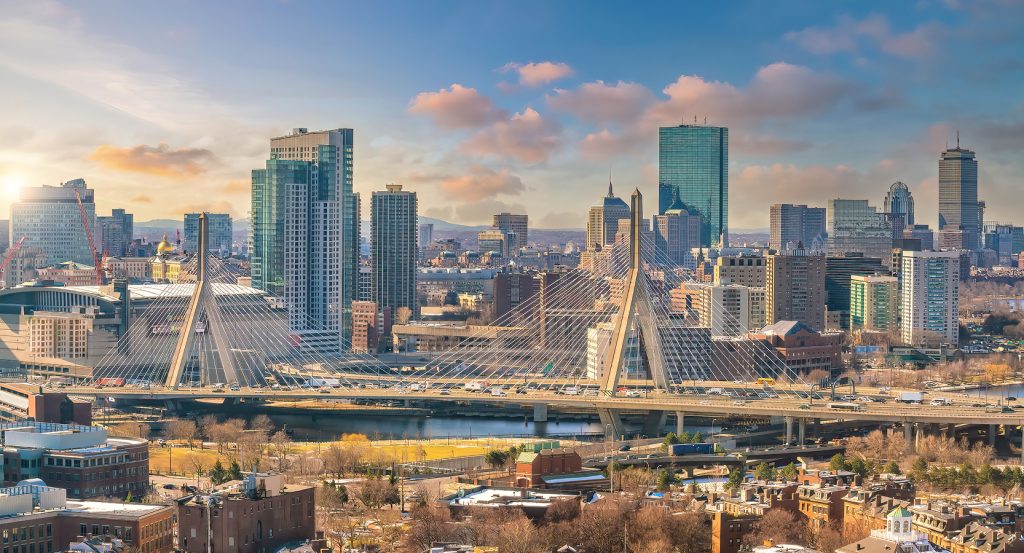
Set along Stuart Street near Arlington Street and just steps from the Public Garden, the restaurant occupies an upper-floor dining room overlooking the southern edge of Boston's Back Bay, where historic commercial buildings connect the neighborhood's residential avenues with the Theater District. Tall windows introduce natural light and views of the surrounding streets, establishing an elevated perspective on the city. White tablecloths, upholstered seating and carefully arranged tables create a restrained dining environment centered on the presentation of successive courses. The room's contemporary furnishings and understated decorative details emphasize the intimacy of its tasting-menu service. The result is an elegant urban restaurant whose architectural setting and disciplined culinary program establish a distinctive destination for contemporary New England seafood.
What defines Mooncusser.
Mooncusser is best known for its seafood-focused tasting menu and the inventive cooking of chef Carl Dooley, whose work has helped establish the restaurant among Boston's leading contemporary fine-dining destinations. Restaurateur Ian Calhoun and chef Carolyn Johnson opened Mooncusser Fish House in 2017, developing a seafood restaurant centered on the seasonal ingredients and fishing traditions of coastal New England. The original concept combined an ambitious à la carte menu with an intimate dining environment and a substantial commitment to regional sourcing. Calhoun subsequently brought Dooley into the restaurant's culinary leadership, introducing a more concentrated tasting-menu format. Dooley had developed his professional reputation through work at Craigie on Main under chef Tony Maws, whose cooking emphasized French technique and carefully selected regional ingredients. His career also included a prominent appearance on Bravo's Top Chef, where his inventive preparations and technical discipline introduced his cooking to a national audience. Before joining Mooncusser, Dooley operated The Table at Season to Taste in Cambridge, a small restaurant whose multicourse menus established his reputation for ambitious and highly personal cooking. His arrival at Mooncusser in 2021 marked a substantial transformation of the restaurant's culinary direction. The kitchen moved toward a fixed-price sequence of composed courses, allowing greater attention to ingredient combinations, pacing and the relationship between individual dishes. Dooley's cooking introduced influences drawn from European technique, Southeast Asian flavors and the agricultural resources of New England. The restaurant subsequently earned significant regional and national recognition for its distinctive tasting menus and seafood preparations. Its continued development established Mooncusser as an important participant in Boston's expanding fine-dining culture.
The restaurant's name derives from the coastal legend of mooncussers, maritime criminals who used deceptive lights to lure ships onto dangerous shorelines before plundering their cargoes. This association with New England's seafaring past provides a distinctive historical reference for a kitchen devoted to the region's marine ingredients. Atlantic seafood forms the foundation of the tasting menu, with preparations incorporating fish, shellfish and seasonal produce selected for their flavor and texture. Dooley's approach frequently combines classical French sauces with aromatic ingredients associated with Southeast Asian cooking, creating dishes characterized by controlled acidity, spice and richness. Delicate fish preparations receive carefully balanced accompaniments that emphasize the natural sweetness and texture of the seafood. Shellfish courses incorporate concentrated broths, herbaceous oils and contrasting garnishes, introducing successive changes in temperature and intensity. The kitchen also uses fermented ingredients and carefully developed reductions to create depth within relatively compact compositions. Vegetable courses receive substantial attention, drawing on regional farms and seasonal harvests to provide contrast within the seafood-centered experience. Bread service and small introductory bites establish the technical precision of the kitchen before the principal courses arrive. Desserts continue the menu's seasonal direction through fruit, dairy and carefully balanced sweet preparations. Wine pairings emphasize acidity, minerality and restrained fruit character, complementing the delicate flavors of the seafood. The beverage program also incorporates selections suited to richer sauces and more intensely seasoned dishes. Mooncusser's culinary distinction rests in the sustained originality of its tasting menu, the precision of its seafood preparation and Dooley's ability to connect regional ingredients with an unusually broad range of international cooking techniques.
How Mooncusser fits.
Mooncusser works as the culinary anchor for a Back Bay outing connecting Boston's celebrated public gardens, its historic architectural development and the cultural institutions surrounding the city's principal civic spaces.
Begin at Boston Public Garden, the historic landscaped park established in 1837 and recognized as the first public botanical garden in the United States. Its design developed during the nineteenth century as Boston expanded across the former tidal flats of the Back Bay. Winding paths, ornamental plantings and a central lagoon create a carefully composed landscape distinguished by mature trees and seasonal floral displays. The Swan Boats, introduced in 1877 by Robert Paget, became one of the garden's most enduring recreational traditions. The park also contains the equestrian statue of George Washington, designed by Thomas Ball and dedicated in 1869, establishing a prominent sculptural feature within its landscaped grounds. Continue to Gibson House Museum, the preserved nineteenth-century townhouse constructed in 1860 for Catherine Hammond Gibson and her son Charles Hammond Gibson. Designed by architect Edward Clarke Cabot, the building presents an important example of early Back Bay residential architecture. Its interiors preserve original furnishings, decorative finishes and household objects associated with several generations of the Gibson family. The museum provides an unusually detailed account of domestic life among Boston's affluent residents during the nineteenth and early twentieth centuries. Its formal rooms, private chambers and service areas illuminate the social organization and material culture of the neighborhood's historic households. Conclude at Boston Athenaeum, the distinguished independent library founded in 1807 and established in its present Beacon Street building in 1849. The institution developed as a major center of literary and intellectual activity, assembling extensive collections of books, manuscripts, paintings and historical artifacts. Its Italianate building, designed by Edward Clarke Cabot, incorporates elegant reading rooms and substantial architectural detailing. The library's collections include important materials associated with American literature, early printing and the cultural history of Boston. Its exhibitions and public programs extend the institution's role within the city's scholarly community. The progression moves from Boston Public Garden's nineteenth-century landscape through Gibson House Museum's preserved residential interiors and culminates at Boston Athenaeum's literary collections, connecting three consequential dimensions of Boston's architectural and cultural development.
Where your story begins.
Foresyte Travel reveals places that feel extraordinary long before you arrive.
Enjoy editorial crafted for luxury travelers.
Foresyte may earn a commission when you book.







































































































