
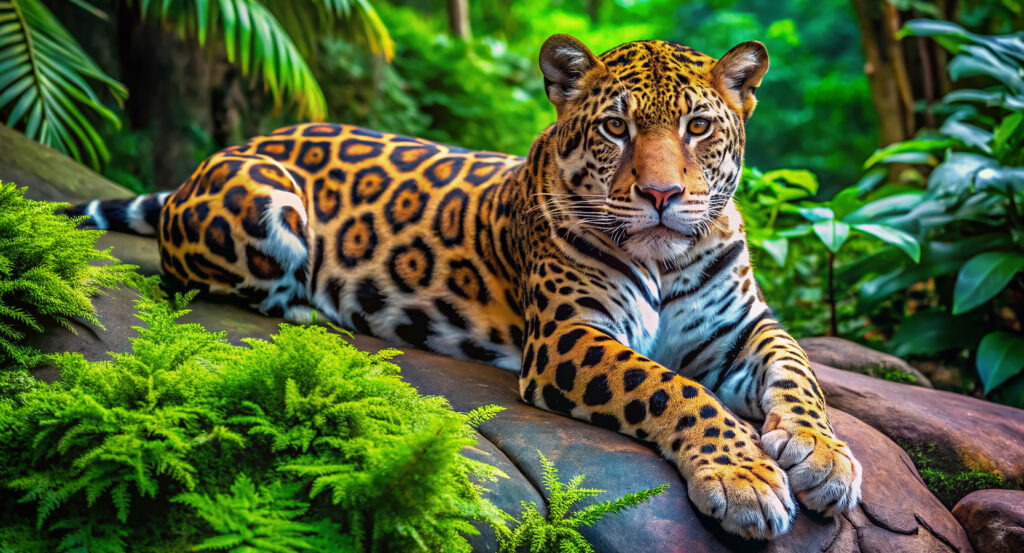
Why you should experience Reptile Discovery Center at Smithsonian National Zoological Park in Washington, D.C.
Reptile Discovery Center at Smithsonian National Zoological Park in Washington, D.C. is a fascinating portal into the ancient, scaled world of creatures that have ruled the Earth for over 300 million years.
Inside its warm, low-lit halls, you'll come face-to-face with animals that seem to have slipped through time itself, massive pythons coiled like living sculptures, emerald tree boas draped across branches, and crocodiles sunning under simulated tropical light. The center's glass habitats shimmer with life, geckos that can cling to any surface, turtles that glide with meditative calm, and venomous snakes that strike with lightning precision. It's a quiet, almost mystical experience; one where you realize that evolution's most mysterious survivors are also some of its most beautifully adapted. The atmosphere is immersive and intimate, drawing you into the quiet rhythm of creatures who move with purpose, patience, and astonishing design.
What you should know about Reptile Discovery Center at Smithsonian National Zoological Park.
Reptile Discovery Center is one of Smithsonian National Zoological Park's oldest and most scientifically rich buildings, home to over 200 species of reptiles and amphibians from every corner of the globe.
Beyond the glass, it's a hub for groundbreaking research on behavior, breeding, and conservation, particularly for endangered turtles, tortoises, and frogs. The zoo's herpetologists have achieved major breakthroughs in reproduction and disease prevention, often reintroducing captive-born species back into wild habitats. The building's layout reflects this scientific purpose: every enclosure balances education with environmental authenticity. Specialized lighting mimics sunrise and sunset cycles, while humidity and temperature control replicate rainforest, desert, and wetland ecosystems in miniature. Visitors can peer into habitats that mirror the conditions of the Galápagos Islands, the African savanna, and the swamps of the American South. One of the Center's lesser-known highlights is its collection of rare amphibians, including species that exist in no other public collection in the world. To walk through Reptile Discovery Center is to witness a living archive of evolutionary wonder, and a tribute to the fragile future of these often-overlooked animals.
How to fold Reptile Discovery Center at Smithsonian National Zoological Park into your trip.
Reptile Discovery Center is located near the Asia Trail entrance of Smithsonian National Zoological Park, making it an ideal stop after visiting Elephant Trails or the Great Cats Exhibit.
Step inside to cool off on a warm day and let the tranquil environment reset your pace. Plan 30-45 minutes to explore, as the details here reward curiosity, tiny chameleons blending into branches, frogs the size of a coin hidden beneath leaves, and turtles that turn their heads with almost human awareness. Don't rush; linger at the Komodo dragon enclosure or the giant anaconda tank, where the scale and quiet intensity of these reptiles command stillness. Families will enjoy the educational displays explaining the role of reptiles in ecosystems, from pest control to maintaining biodiversity. Before leaving, stop at the observation window that offers a glimpse into the behind-the-scenes care area, where keepers prepare diets and monitor hatchlings. As you exit, you'll realize how extraordinary these silent survivors are, not monsters from the past, but vital keepers of balance in the natural world.
Where your story begins.
Foresyte Travel reveals places that feel extraordinary long before you arrive.
Experience premium editorial crafted for luxury travelers.







































































































