
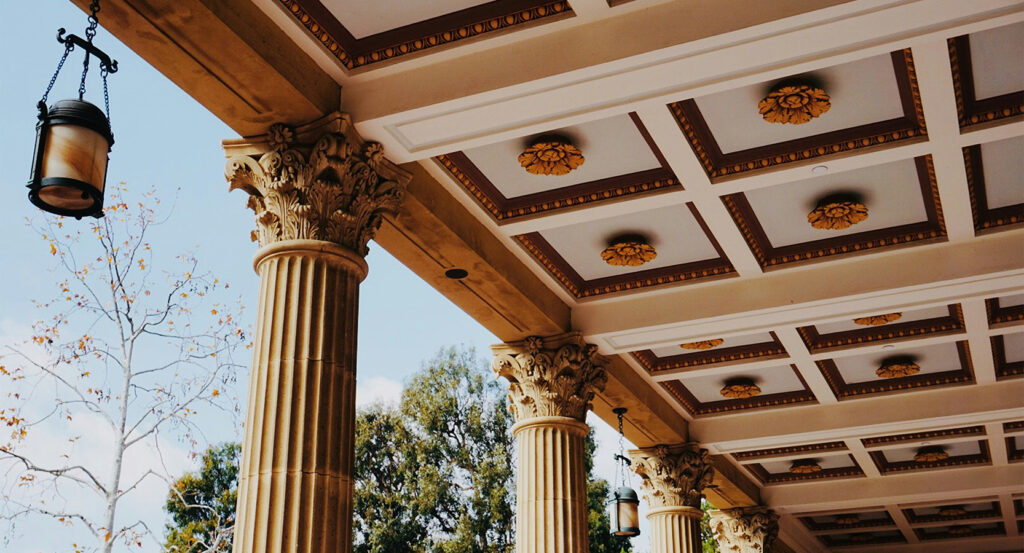
Why you should experience Nobu Ryokan Malibu in Los Angeles, California.
Nobu Ryokan Malibu is where serene Japanese-inspired hospitality meets the relaxed luxe of Malibu's coastline, where tasteful minimalism blends with ocean-kissed California settings, and where stepping inside feels like entering a private, design-forward retreat that honors calm, connection to nature, and intimate comfort.
Tucked discreetly among palm trees and coastal scrub on a quiet stretch of Pacific Coast Highway just above Point Dume, the property greets you with a low-profile, wood-and-stone façade that immediately sets a tone of peaceful seclusion. As you enter the ryokan's lobby, the atmosphere shifts: soft ambient lighting, natural materials, cedarwood, stone, tatami-style textures, minimalist décor, and the subtle scent of Japanese incense or sea breeze. The space feels grounded, intentional, and deeply calming, as if the building itself breathes with the rhythm of ocean waves rather than the bustle of a city. Guest accommodations emphasize tranquility and understated elegance, rooms designed to feel like refined beachside retreat suites. Expect clean lines, wood-toned floors, neutral palettes accented with muted earthy tones, low-slung furniture inspired by traditional Japanese minimalism, soft tatami-like rugs or natural finishes, and large windows or sliding glass doors opening to private terraces or balconies where you can catch ocean glimpses, coastal breezes, and golden-hour light. Beds feel plush yet grounded; linens are crisp; lighting is soft and mood-aware, ideal for relaxation, reading, or simply letting the daylight shift slowly across the room. Bathrooms continue the quiet luxury, soaking tubs or deep Japanese-style ofuro tubs (when available), rain-style showers, stone or wood finishes, warm lighting, minimalistic fixtures, and thoughtfully selected toiletries designed to soothe and refresh. For suites or premium rooms, expect additional touches like private outdoor soaking tubs or small patios that open onto coastal vegetation, where you can listen to frogs, waves, or evening breeze under the stars. The sensorial quality of the stay is enhanced by natural textures, artisanal materials, and design that feels rooted, humble, and elegant. Dining at Nobu Ryokan Malibu reflects the fusion of Japanese subtlety and California freshness. A small in-house restaurant offers tasting menus or curated meals that draw on seasonal, locally sourced ingredients, fresh seafood, produce from coastal farms, light yet rich flavor profiles, elegant plating, and dishes meant to be savored slowly. Breakfast might arrive with minimal fanfare, rice bowls, miso soup, fresh fruit, and green tea, but with the kind of calm, intentional atmosphere that lets you wake gently to the day. For dinner, expect intimate ambiance: soft light, ocean breeze through open windows or sliding doors, gentle music or silence, and food that respects both the ryokan's Japanese roots and Malibu's coastal terroir. Service at the hotel feels warm, discreet, thoughtful, not overly formal, but genuinely hospitable. Staff approach with calm courtesy, attentive but unobtrusive, offering recommendations for beach access, sunset spots, local hikes, and timing for tide or light. There's a sense of respect for privacy, rhythm, and the natural pace of coastal life. The location is a major asset.
What you should know about Nobu Ryokan Malibu.
Nobu Ryokan Malibu occupies land shaped by California's coastal evolution, past ranch lands, humble beach cottages, surf-shacks, and quiet bluffs, before Malibu became a global symbol of beachside glamour.
Before the ryokan was built, this stretch of coastline was home to a patchwork of small properties: surfers' cabins, modest beach homes, coastal ranches, and fishing spots, part of a quieter, lived-in California that prioritized sea, sand, and simplicity over neon lights. The particular parcel where Nobu Ryokan now stands once belonged to a small coastal ranch family, whose land gradually changed hands over the decades as Malibu's popularity grew. During the mid-20th century, as Malibu began attracting artists, surfers, and beach communities, small beach houses and cabins sprung up along the bluffs, informal, simple dwellings that contrasted sharply with later eras of development. As real estate pressure increased through the late 20th and early 21st centuries, the land became highly desirable, but also fragile: coastal erosion, environmental regulations, and challenges of building on beachfront terrain made many developers hesitant. When the concept for a ryokan-style boutique retreat emerged, the developers chose this site precisely for its balance of history, natural beauty, privacy, and proximity to ocean. Construction demanded sensitive planning: foundations reinforced against coastal conditions, materials chosen for environmental sustainability, structures designed to blend into the natural topography rather than dominate it, and landscaping with native plants to preserve local ecology. A subtle but telling detail: wood used in finishing was reclaimed or sustainably harvested; stone and tile were selected for resilience against salt air and coastal weathering; and water systems were engineered to respect local regulations and conservation efforts. Another lesser-known fact: before redevelopment, some of the original coastal cottages were documented by local preservationists for their cultural significance, reflections of early surf culture and modest coastal living. Though not preserved in entirety, elements like old maps, photographs, and community memories informed the ryokan's design philosophy: rooted modesty, appreciation of place, respect for light and ocean, sense of retreat. Since opening, Nobu Ryokan Malibu has quietly contributed to redefining what high-end hospitality can be on the California coast: not flashy luxury, but thoughtful calm; not overcrowded glamour, but personal, nature-aware refuge. It stands as a bridge between Malibu's past, surf cottages, coastal ranches, quiet beaches, and its present, a place where travelers can still taste simplicity, space, and sea, but with comfort, design, and intentional hospitality.
How to fold Nobu Ryokan Malibu into your trip.
Nobu Ryokan Malibu becomes your coastal sanctuary, where mornings begin with ocean light, afternoons drift into beach walks or coastal hikes, and evenings settle into quiet reflection and fine dining by the sea.
Start the morning with a gentle breakfast, rice bowls, fruit, tea, subtle calm, then walk to the nearby bluff or Big Rock Beach for sunrise views, tide pooling, or a quiet stroll along the sand. Midday, return to your room for a slow shower or a soak, then head out to explore Malibu's coastal trails or visit small local galleries, cafés, beach shops, or surf spots nearby. As afternoon light softens, return to the ryokan's terrace or balcony for sunset, drink in golden-hour ocean views, feel the breeze, and let time slow. For dinner, enjoy the hotel's restaurant: fresh seafood, minimalist plating, local produce, serene ambiance, waves distant on the breeze. Afterward, settle into your room or terrace for a calm night, soft linens, ocean air, light lull of waves, and drift into restful sleep. Over your stay, the ryokan becomes less a hotel and more a place to live slowly: wake with the tide, wander the coast, dine quietly, dream deeply, and let Malibu unfold around you in gentle waves of sea, light, and calm.
Where your story begins.
Foresyte Travel reveals places that feel extraordinary long before you arrive.
Experience premium editorial crafted for luxury travelers.





































































































