
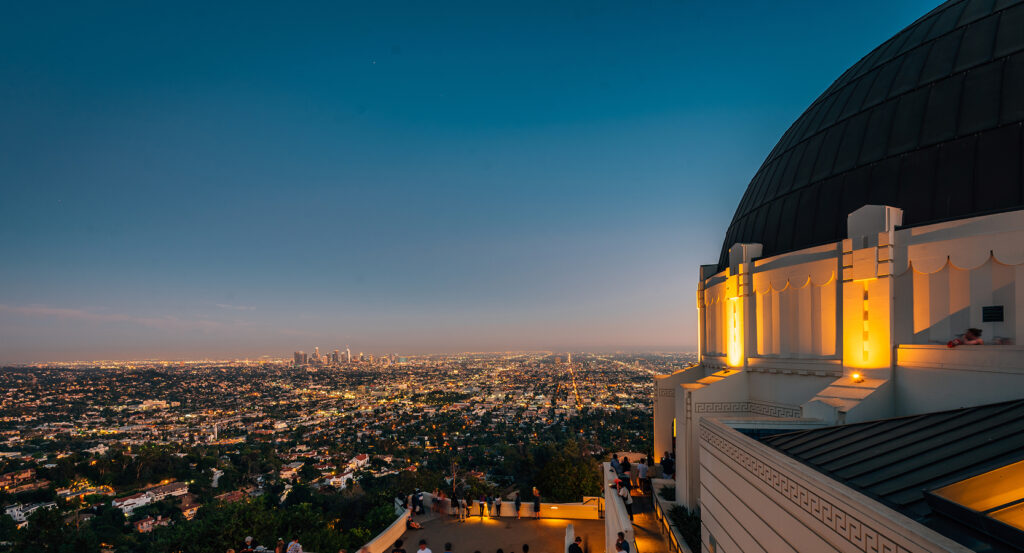
Why Radford Avenue matters.
Radford Avenue is a spirited corridor where Studio City's entertainment heritage, film production, neighborhood commerce, and creative industries define one of the San Fernando Valley's most recognizable thoroughfares.
Running through Studio City between North Hollywood and Valley Village, the corridor connects film studios, neighborhood business districts, parks, educational institutions, residential communities, and creative workplaces that collectively reflect more than a century of entertainment history in Los Angeles. Mature street trees, studio entrances, neighborhood storefronts, landscaped streetscapes, and pedestrian-friendly blocks preserve a corridor shaped by filmmaking, broadcasting, and sustained community investment. Entertainment companies, production crews, educational institutions, businesses, municipal agencies, and local residents continue reinforcing Radford Avenue's importance while supporting creativity, commerce, and neighborhood life throughout the Central San Fernando Valley. The result is an experience defined by cinematic heritage, cultural vitality, and the enduring character of Studio City.
What defines Radford Avenue.
Radford Avenue is best known for bordering the CBS Studio Center, established in 1928 as Mack Sennett Studios, among Southern California's pioneering motion picture production facilities before later ownership by Republic Pictures, CBS, and subsequent entertainment companies transformed the campus into a major television production center. The corridor occupies land formerly included within the 116,858-acre Rancho Ex-Mission San Fernando, patented in 1846 to Eulogio de Celis, before later acquisition by Isaac Lankershim, whose agricultural enterprises reshaped the San Fernando Valley during the nineteenth century. Expansion accelerated after the Los Angeles Suburban Homes Company acquired 47,500 acres in 1910, introducing planned subdivision, transportation infrastructure, and new residential communities that established Radford Avenue as a neighborhood connector serving the emerging Studio City district. Throughout the twentieth century, productions including The Mary Tyler Moore Show, Seinfeld, Gilligan's Island, The New Adventures of Superman, and numerous contemporary television series were filmed along Radford Avenue at the studio complex, reinforcing the corridor's international association with American film and television production.
CBS Studio Center occupies 40 acres and includes multiple sound stages, production offices, backlot environments, and technical facilities that have supported thousands of television episodes and motion pictures since the silent-film era. The Los Angeles River, flowing immediately east of the corridor, became the focus of major U.S. Army Corps of Engineers flood-control projects following the 1938 Los Angeles flood, influencing urban development and infrastructure surrounding Radford Avenue. The Studio City Farmers Market, established in 1998, has become a longstanding weekly community gathering supporting regional agriculture, artisan producers, and neighborhood commerce near the corridor. The North Hollywood-Studio City corridor continues serving one of the nation's largest concentrations of film, television, post-production, and digital media employment, reinforcing Radford Avenue's enduring relationship with Southern California's entertainment economy.
How Radford Avenue fits.
Radford Avenue works as an exploration of Studio City's filmmaking heritage, neighborhood culture, and entertainment legacy.
Begin at CBS Studio Center, where the historic studio entrance and renowned production campus introduce the filmmaking traditions that established Radford Avenue before following the corridor through Studio City. Continue to Studio City Farmers Market, where neighborhood vendors, regional produce, and community activity reflect the everyday character that complements the surrounding entertainment industry. Conclude at Fryman Canyon Park, where scenic trails, native landscapes, and panoramic San Fernando Valley views provide a memorable finale connecting Studio City's creative community with its surrounding natural environment. The progression moves naturally from television history to neighborhood life before concluding with hillside recreation, revealing why Radford Avenue continues expressing the enduring character of Studio City.
Where your story begins.
Foresyte Travel reveals places that feel extraordinary long before you arrive.
Enjoy editorial crafted for luxury travelers.
Foresyte may earn a commission when you book.





































































































