
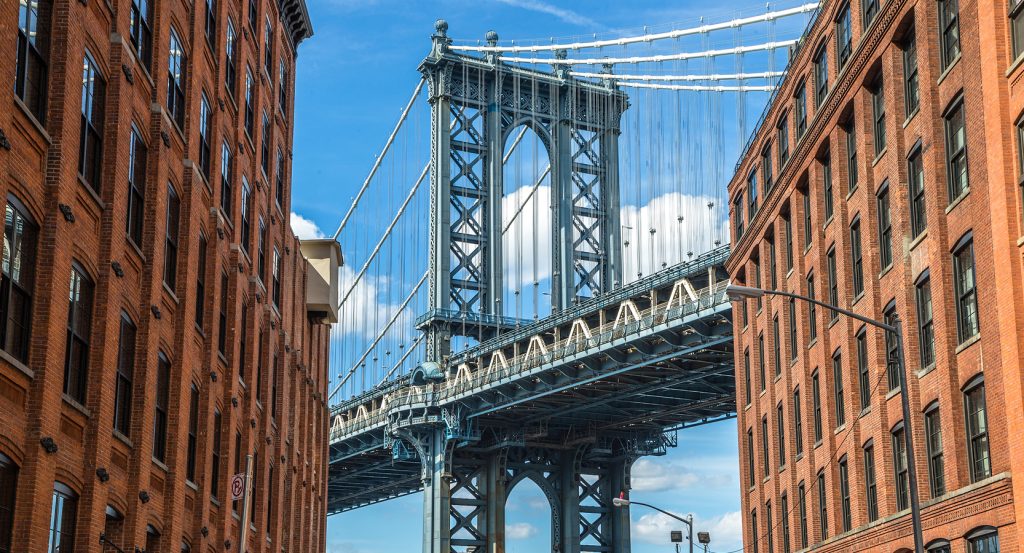
Why you should experience Remsen Avenue in New York, NY.
Remsen Avenue is a spirited East Flatbush corridor where Caribbean heritage, residential tradition, and community resilience converge along one of Central Brooklyn's defining north, south avenues.
Running through East Flatbush between Brownsville and Canarsie, this prominent corridor connects neighborhood institutions, historic apartment buildings, public parks, schools, locally owned businesses, and residential communities that have shaped Brooklyn life for generations. Early twentieth-century brick apartment houses, tree-lined sidewalks, places of worship, active commercial intersections, and longstanding civic institutions create a streetscape defined by architectural continuity and cultural vitality. Remsen Avenue developed during Brooklyn's rapid residential expansion in the early twentieth century before becoming home to successive generations of Caribbean families whose entrepreneurship, traditions, and civic leadership helped establish East Flatbush as one of New York City's most influential Caribbean communities. To the south, Canarsie extends naturally from Remsen Avenue through a network of residential streets, neighborhood institutions, and commercial corridors that reinforce the avenue's enduring significance. The result is a corridor defined by cultural continuity, neighborhood character, and community pride.
What you should know about Remsen Avenue.
Remsen Avenue is best known for bordering the Wyckoff House Museum, preserving a farmhouse completed around 1652, recognized as New York City's oldest surviving structure and a rare example of Dutch colonial architecture.
Built by Pieter Claesen Wyckoff, the house remained in the Wyckoff family for more than two centuries while documenting the agricultural foundations that preceded Brooklyn's urban development. Today, the museum preserves original construction techniques, archaeological resources, historic gardens, and educational programs that illuminate nearly four centuries of New York history. Its remarkable longevity provides a tangible connection to the earliest period of European settlement in the region while offering invaluable insight into colonial life. Remsen Avenue continues to serve as an important approach to one of the city's most historically significant landmarks.
How to fold Remsen Avenue into your trip.
Remsen Avenue works as an exploration of East Flatbush's cultural heritage, historic landmarks, and neighborhood life.
Begin at the Wyckoff House Museum, where the avenue's defining relationship with Brooklyn's earliest history immediately comes into focus. Continue toward Canarsie Park, whose athletic fields, walking paths, and neighborhood gathering spaces reveal the recreational traditions that continue to shape the surrounding community. From there, make your way to Brooklyn Terminal Market, where generations of wholesalers and produce merchants have reinforced Brooklyn's longstanding connection to regional commerce and food distribution. Along the route, you'll encounter historic residential blocks, neighborhood cafés, community organizations, locally owned businesses, public parks, and architecturally significant streetscapes that showcase the avenue's remarkable depth. The progression moves naturally from colonial landmark to community park to historic wholesale market, revealing how Remsen Avenue connects early settlement, neighborhood life, and commercial tradition within one of Brooklyn's most enduring communities. Remsen Avenue remains one of the borough's most rewarding corridors, preserving a distinctive balance between historical significance, cultural vitality, and neighborhood authenticity.
Where your story begins.
Foresyte Travel reveals places that feel extraordinary long before you arrive.
Experience premium editorial crafted for luxury travelers.







































































































