
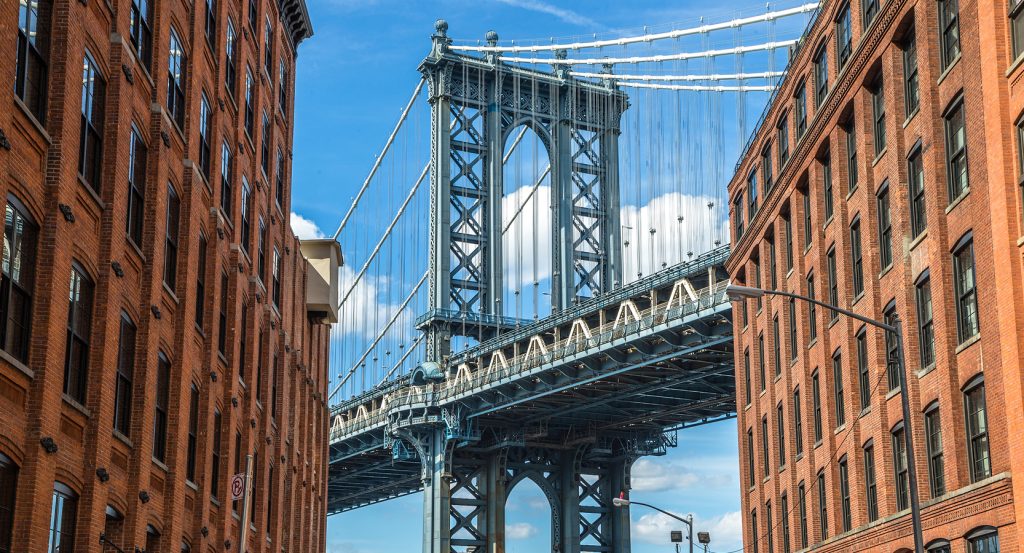
Why you should experience Seigel Street in New York, NY.
Seigel Street is a historic East Williamsburg corridor where industrial heritage, immigrant history, and creative reinvention converge along one of North Brooklyn's enduring neighborhood streets.
Running through East Williamsburg between Williamsburg and Bushwick, this historic corridor connects converted factory buildings, neighborhood businesses, residential blocks, creative workspaces, and manufacturing districts that have shaped local life for generations. Brick warehouses, adaptive reuse projects, locally owned cafés, industrial lofts, and long-established community institutions create a streetscape defined by productive industry and entrepreneurial energy. Seigel Street developed during Brooklyn's rapid industrial expansion in the late nineteenth century, supporting generations of manufacturers, craftspeople, and immigrant families whose work helped establish East Williamsburg as one of the borough's principal manufacturing centers. To the east, Bushwick extends naturally from Seigel Street through a network of historic industrial buildings, neighborhood institutions, and creative enterprises that reinforce the corridor's enduring significance. The result is a corridor defined by industrial continuity, neighborhood resilience, and creative enterprise.
What you should know about Seigel Street.
Seigel Street is best known for bordering the East Williamsburg Industrial Business Zone, established in 2005 to protect one of New York City's largest concentrations of active manufacturing businesses and industrial employment.
The designation reinforced East Williamsburg's longstanding role as a center of production by supporting manufacturers, food producers, artisans, logistics firms, and industrial employers that continue to occupy the neighborhood's historic factory buildings. Seigel Street reflects this productive character through a landscape where manufacturing, adaptive reuse, and small business investment coexist within the same urban fabric. The surrounding industrial architecture preserves the physical legacy of Brooklyn's manufacturing economy while continuing to support a diverse range of modern enterprises. The corridor offers a compelling perspective on how industrial heritage continues to shape one of North Brooklyn's most dynamic neighborhoods.
How to fold Seigel Street into your trip.
Seigel Street works as an exploration of East Williamsburg's industrial heritage, creative culture, and neighborhood evolution.
Begin at The City Reliquary, where exhibits celebrating New York City's local history establish the neighborhood's relationship with everyday urban life and community identity. Continue toward the Bushwick Collective, whose internationally acclaimed murals demonstrate how former industrial streets have become a globally recognized destination for contemporary public art. From there, make your way to McCarren Park, where expansive green spaces, athletic facilities, and neighborhood gathering areas provide a broader perspective on the residential communities surrounding East Williamsburg's manufacturing districts. Along the route, you'll encounter converted warehouses, independent galleries, neighborhood cafés, creative studios, locally owned businesses, and preserved industrial streetscapes that showcase the corridor's remarkable depth. The progression moves naturally from neighborhood museum to world-renowned outdoor gallery to landmark public park, revealing how Seigel Street connects industrial history, artistic innovation, and community life within one of Brooklyn's most distinctive districts. Seigel Street remains one of the borough's most rewarding corridors, preserving a distinctive balance between manufacturing legacy, creative reinvention, and neighborhood authenticity.
Where your story begins.
Foresyte Travel reveals places that feel extraordinary long before you arrive.
Experience premium editorial crafted for luxury travelers.







































































































