
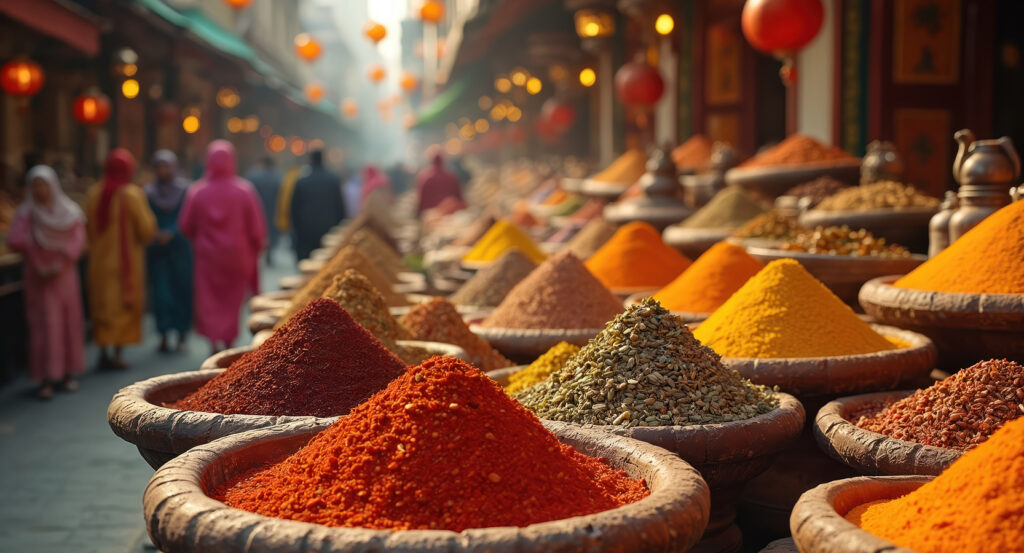
Why you should experience Egyptian Bazaar in Istanbul, Türkiye.
Egyptian Bazaar, or Spice Bazaar, in Istanbul isn't just a market, it's a physical pilgrimage, an explosion of color, scent, and sound that distills the spirit of the city into one intoxicating labyrinth.
Located in the heart of the Eminönü district, just steps from the Golden Horn, this 17th-century marketplace has been seducing travelers for centuries. Built in 1664 as part of the New Mosque complex, the bazaar earned its name because the spices sold here once arrived from Egypt, the empire's trading jewel. Step beneath its honey-hued domes, and the air itself feels alive. Waves of cinnamon, saffron, sumac, and rose mingle in a fragrant haze that hits you before the eyes can even adjust to the glow of lanterns. Stalls overflow with Turkish delight dusted in powdered sugar, pyramids of dried fruits and nuts, and jars of jewel-toned teas and herbs that look more like art than merchandise. Shopkeepers greet you with melodic warmth, “Hoş geldiniz!”, and before long, you're sipping apple tea while bartering for saffron threads or pomegranate molasses. The tiled arches curve overhead like the ribs of a living creature, each corridor pulsing with laughter, stories, and the hum of history. Outside, pigeons flutter through the square as ferries glide by the Galata Bridge, their horns echoing between minarets. Within these ancient walls, Istanbul feels eternal, a crossroads where the Silk Road still breathes, and the aroma of the past never quite fades.
What you should know about Egyptian Bazaar.
Egyptian Bazaar is more than a marketplace, it's a monument to empire, faith, and commerce intertwined.
Commissioned by Hatice Turhan Sultan, the mother of Sultan Mehmed IV, it was built to help fund the adjacent New Mosque, a gesture of both devotion and strategy in the Ottoman world, where bazaars were not only economic hubs but spiritual engines sustaining mosques and charities. Its L-shaped design is one of Istanbul's architectural curiosities, carefully engineered to channel the breeze through its vaulted corridors and carry the scent of spices through every hall. At its height, the bazaar connected merchants from as far as India, Arabia, and Venice, making it among the most important trading centers of the Ottoman era. The name “Egyptian” came from the taxes and goods imported through Egypt, including the exotic spices that gave the market its renowned fragrance. Yet not all of its treasures come in jars and sacks, look closely, and you'll find hand-painted ceramics from Iznik, antique jewelry, copper coffee sets, and the shimmering evil-eye talismans believed to protect against misfortune. Beneath its surface lies a world of invisible stories: of Venetian traders whispering in Italian, of caravan routes stretching across deserts, of fortunes made and lost over barrels of cinnamon. Even the acoustics hold their own history, the domes were designed to amplify sound so the muezzin's call from the nearby mosque could be heard through the corridors. Though it has survived fires, earthquakes, and centuries of change, Egyptian Bazaar endures as one of Istanbul's most beloved living relics. To step inside is to inhale a thousand years of trade, faith, and human connection, wrapped in the scent of cardamom and history.
How to fold Egyptian Bazaar into your trip.
Visiting Egyptian Bazaar is like stepping into a dream woven from spice and song, and the secret is to move slowly.
Begin your visit in the morning, before the crowds swell, when sunlight spills through the arched doorways and dust motes shimmer like gold in the air. Enter from the main gate facing the New Mosque and follow the curve of the corridor, pausing often to take in the mirror of colors, ruby-red paprika, deep indigo teas, golden turmeric, and amethyst-hued dried lavender. Let your curiosity guide you: taste slivers of lokum in flavors like pistachio and rose, or sample figs stuffed with almonds and honey. Talk to the vendors; many have worked these stalls for generations and will share the stories behind their blends. If you listen closely, you can almost hear the echo of camel bells from centuries past. When you've had your fill of spice and sweetness, step outside into the bustle of Eminönü Square and breathe in the salty air from the Bosphorus. From here, wander to the nearby Galata Bridge to watch fishermen cast their lines, or take a ferry to the Asian side for lunch in Üsküdar. For a deeper taste of tradition, visit one of the teahouses tucked behind the bazaar, where you can sip strong Turkish tea from tulip-shaped glasses while the call to prayer drifts over the city. If you return at sunset, the market glows amber beneath its domes, and the scent of spices deepens with the cool air, a final physical embrace. Egyptian Bazaar isn't just a stop on an itinerary; it's Istanbul distilled into a single, unforgettable breath, warm, fragrant, and utterly alive.
Where your story begins.
Foresyte Travel reveals places that feel extraordinary long before you arrive.
Experience premium editorial crafted for luxury travelers.





































































































