Why you should experience 16th Street in San Francisco, California.
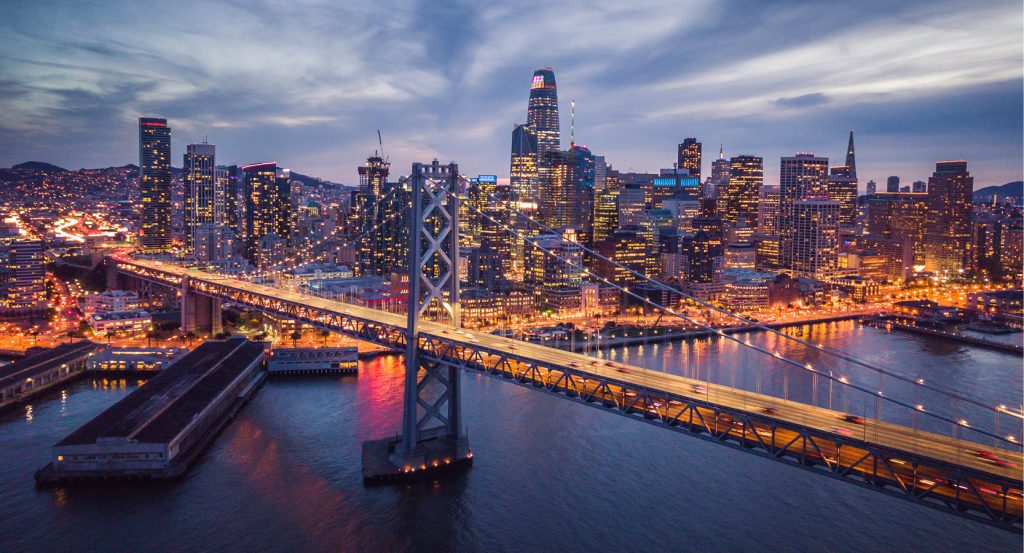
16th Street is a landmark Mission District corridor where transportation innovation, cultural diversity, and urban vitality converge along one of San Francisco's most influential streets.
Running through Mission District between Castro and Potrero Hill, this prominent corridor connects historic neighborhoods, acclaimed restaurants, neighborhood cafés, independent businesses, cultural institutions, public parks, and major transit hubs that have shaped generations of San Francisco life. Historic Victorian architecture, lively commercial blocks, mature street trees, and active pedestrian environments create a streetscape where longstanding community traditions continue complementing one of the city's most dynamic urban districts. Stretching across Central San Francisco, 16th Street remains one of the city's defining metropolitan corridors. The result is a street defined by connectivity, cultural richness, and enduring civic significance.
What you should know about 16th Street.
16th Street is best known for becoming the western portal of the Twin Peaks Tunnel, which opened on February 3, 1918, introducing the world's longest municipal streetcar tunnel at 11,920 feet and creating San Francisco's first rapid transit route beneath Twin Peaks, reducing cross city travel times, unlocking the large scale development of the Sunset and West Portal neighborhoods, and establishing the engineering foundation for the city's modern Muni Metro system that continues serving hundreds of thousands of passengers today.
The completion of the tunnel marked one of the most ambitious municipal transportation projects of its era, overcoming formidable geological challenges while permanently reshaping San Francisco's pattern of urban growth. The engineering achievement demonstrated how underground electric rail transit could connect previously isolated districts with downtown, stimulating residential construction, commercial investment, and long term economic expansion across the western half of the city. 16th Street continues expressing that extraordinary transportation legacy through a corridor that remains central to San Francisco's transit network more than a century after the tunnel first opened.
How to fold 16th Street into your trip.
16th Street works as an exploration of the Mission District's cultural landmarks, historic neighborhoods, and celebrated public spaces.
Begin at Mission Dolores Park, where sweeping skyline views immediately establish the corridor's extraordinary neighborhood character before exploring 16th Street. Continue toward Mission District de Asís, whose remarkable colonial history reinforces the area's enduring historical significance. Conclude at the Castro Theatre, where grand Spanish Colonial Revival architecture and nearly a century of cinematic history provide a memorable finale to an itinerary shaped by history, architecture, and neighborhood discovery. Along the route, independent cafés, locally owned restaurants, beautifully preserved Victorian homes, energetic murals, welcoming public spaces, and neighborhood boutiques demonstrate how 16th Street connects one of the city's richest cultural districts with one of its greatest transportation achievements. The progression moves naturally from beloved urban park to California's oldest surviving mission to an iconic movie palace, revealing why 16th Street remains one of San Francisco's defining urban corridors.
Where your story begins.
Foresyte Travel reveals places that feel extraordinary long before you arrive.
Experience premium editorial crafted for luxury travelers.