Why you should experience 39th Avenue Southwest in Seattle, Washington.
39th Avenue Southwest is a tranquil corridor where Genesee's hillside landscapes, residential heritage, Puget Sound setting, and enduring neighborhood character create one of West Seattle's most graceful streets.
Running through Genesee between North Delridge and Seaview, the corridor follows gently contoured residential blocks linking established homes, neighborhood institutions, wooded slopes, and quiet green spaces that reflect more than a century of West Seattle's evolution. Craftsman residences, mid-century homes, mature Douglas firs, western red cedars, ornamental maples, basalt retaining walls, and landscaped planting strips create a streetscape where natural topography and thoughtful residential architecture remain closely connected. Throughout the corridor, generations of builders, architects, horticulturists, civic leaders, and neighborhood families have preserved an environment defined by craftsmanship, stewardship, and a lasting relationship with the surrounding landscape. The result is an experience distinguished by mature urban forestry, architectural continuity, and one of Genesee's defining corridors.
What you should know about 39th Avenue Southwest.
39th Avenue Southwest is best known for traversing Genesee, a West Seattle neighborhood whose principal residential growth accelerated after the Seattle Municipal Street Railway expanded service across the peninsula during the early twentieth century following the opening of the West Seattle Bridge in 1924, strengthening connections between West Seattle and downtown. Residential construction intensified throughout the 1910s, 1920s, and 1930s, producing Craftsman bungalows, American Foursquare residences, Tudor Revival homes, duplexes, churches, and neighborhood commercial buildings distinguished by cedar shingles, clinker brick, river-stone foundations, leaded-glass windows, exposed rafter tails, and finely crafted wood millwork. The corridor developed alongside local builders, independent merchants, shipyard workers, educators, and maritime professionals whose long-term investment established Genesee as one of West Seattle's most enduring residential districts. Mature Douglas firs, western red cedars, bigleaf maples, Anna's hummingbirds, black-capped chickadees, and native understory vegetation continue reinforcing the ecological character that distinguishes the corridor today. Together, these transportation milestones, architectural traditions, construction materials, occupational histories, and native landscapes establish 39th Avenue Southwest as one of Genesee's defining historic corridors.
Architect Andrew Willatzen, whose residential work helped shape early twentieth-century Seattle neighborhoods, contributed to the broader architectural style reflected throughout West Seattle by emphasizing practical layouts, restrained ornamentation, and durable natural materials suited to the region's climate. His influence coincided with widespread adoption of Arts and Crafts design principles that encouraged generous porches, tapered columns, exposed structural detailing, and handcrafted woodwork across residential streets such as 39th Avenue Southwest. Original clinker brick chimneys, cedar siding, river-stone retaining walls, divided-light wood sash windows, and heavy timber porch framing continue preserving the construction techniques that define many of the corridor's earliest surviving homes. Together, these architectural influences, preserved building materials, and enduring residential craftsmanship explain why 39th Avenue Southwest remains one of Genesee's most cohesive historic streets.
How to fold 39th Avenue Southwest into your trip.
39th Avenue Southwest works as an exploration of West Seattle's neighborhood heritage, waterfront scenery, and public landscapes.
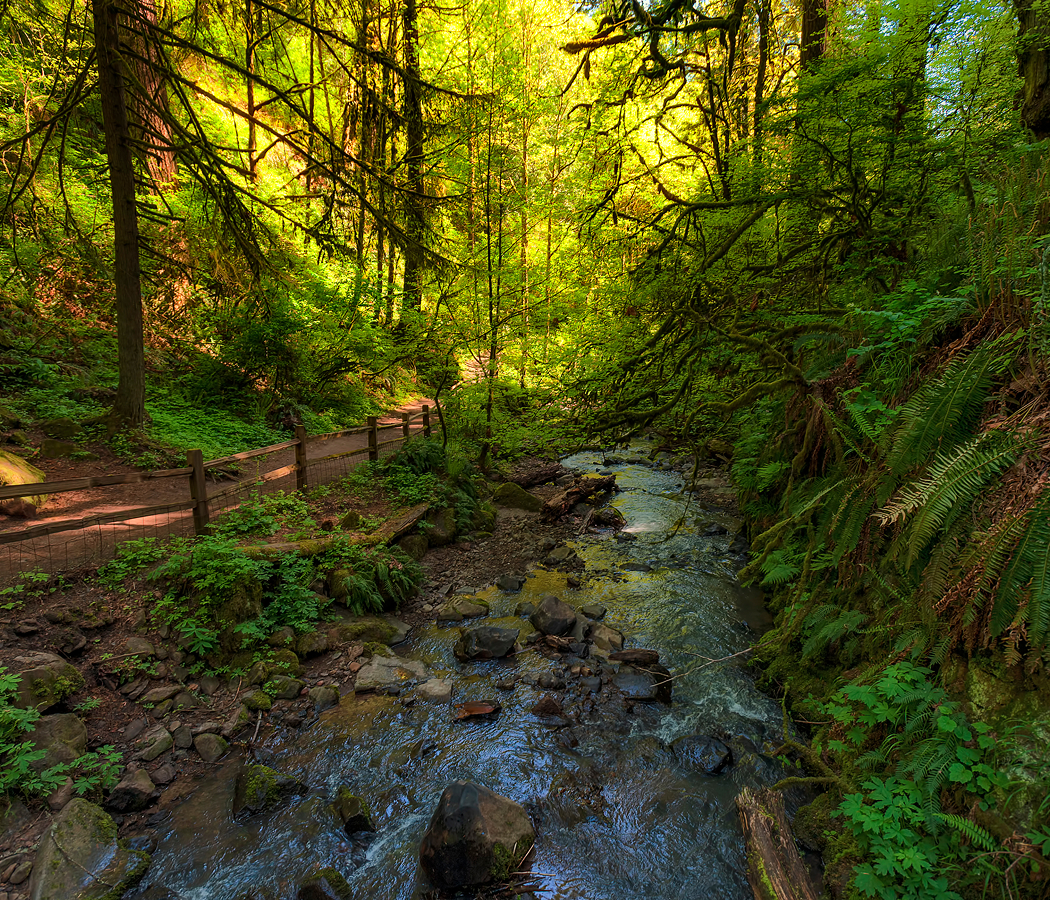
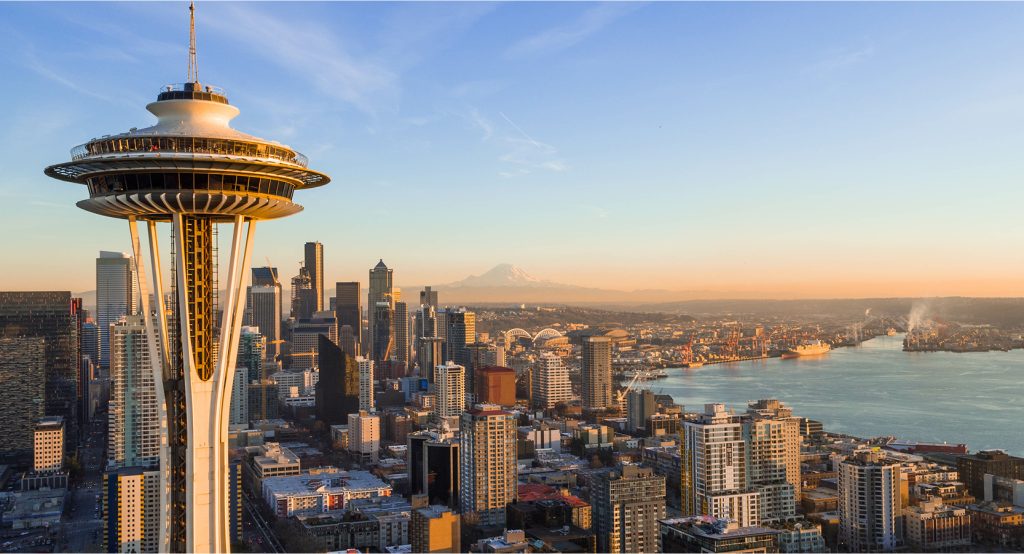
Begin at Schmitz Preserve Park, where old-growth forest, shaded trails, and native vegetation introduce the ecological landscapes that have long distinguished the surrounding hillside before continuing through the neighborhood. Continue to Alki Beach, whose sweeping views of Elliott Bay, the Olympic Mountains, and the Seattle skyline deepen appreciation for West Seattle's enduring maritime character while naturally advancing the experience toward its final destination. Conclude at Hamilton Viewpoint Park, where elevated panoramas overlooking Elliott Bay, Harbor Island, and Downtown provide the historical payoff by revealing the dramatic geography that continues shaping the character of 39th Avenue Southwest. The progression moves naturally from preserved woodland through the waterfront before concluding with the elevated landscape that best expresses the enduring character of 39th Avenue Southwest.
Where your story begins.
Foresyte Travel reveals places that feel extraordinary long before you arrive.
Experience premium editorial crafted for luxury travelers.