
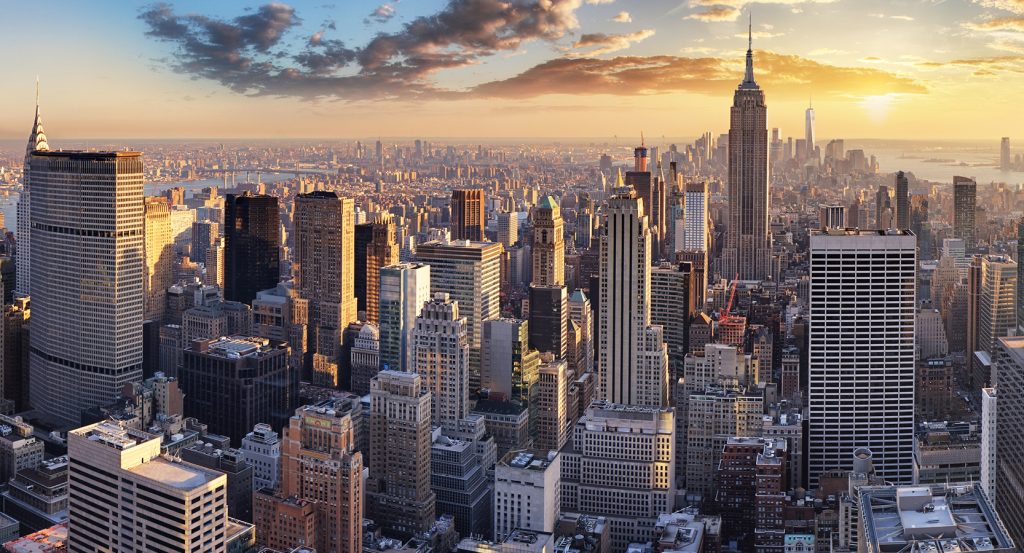
Why 72nd Street matters.
72nd Street is an iconic corridor where the Upper West Side's architectural grandeur, cultural sophistication, civic legacy, and enduring relationship with Central Park converge into one of Manhattan's defining urban experiences.
Running through the Upper West Side between Lincoln Square and the Dakota neighborhood before continuing east across Central Park toward the Upper East Side, the street connects celebrated residential blocks, landmark apartment houses, cultural institutions, and one of New York's most recognizable park entrances within a remarkably cohesive streetscape. Historic masonry, broad sidewalks, mature tree canopies, and distinguished Beaux-Arts and Renaissance Revival façades establish an atmosphere where everyday neighborhood life unfolds against the backdrop of internationally significant architecture. Every block reveals another layer of Manhattan's residential history as long-standing cooperatives, neighborhood businesses, and civic landmarks reinforce the corridor's reputation for permanence. The result is a street whose architectural continuity and cultural significance make it one of New York's most memorable cross-town corridors.
What you should know 72nd Street.
72nd Street is best known for linking Central Park with two of Manhattan's most historically significant residential districts while passing through the Upper West Side/Central Park West Historic District, designated by the New York City Landmarks Preservation Commission in 1990 to preserve one of the nation's finest collections of late nineteenth- and early twentieth-century apartment architecture. The corridor is anchored by the 72nd Street entrance to Central Park, where Bethesda Terrace architect Calvert Vaux incorporated broad transverse roadways that allowed cross-town traffic to pass beneath the park while preserving Frederick Law Olmsted and Vaux's pastoral landscape above, an engineering innovation central to the Greensward Plan adopted in 1858. West 72nd Street also became synonymous with luxury apartment development after the completion of The Dakota in 1884, Henry J. Hardenbergh's German Renaissance-inspired cooperative that transformed apartment living into an accepted form of elite residential life in New York City. Continued landmark designation has preserved an extraordinary concentration of Romanesque Revival, Beaux-Arts, Renaissance Revival, and early cooperative apartment buildings that collectively demonstrate the Upper West Side's emergence as one of America's premier urban residential neighborhoods.
Successive transportation improvements reinforced the corridor's prominence after the Interborough Rapid Transit Broadway-Seventh Avenue Line opened its 72nd Street station in 1904, encouraging another wave of apartment construction that permanently increased residential density along the surrounding blocks. Apartment houses including The Langham, The Olcott, and The Apthorp introduced fireproof steel-frame construction, generous internal courtyards, ornamental terra-cotta, and richly detailed limestone façades that became defining characteristics of Upper West Side residential architecture extending outward from 72nd Street. Landmark regulation, cooperative ownership, and decades of careful restoration have since preserved those historic buildings while maintaining the corridor's distinctive relationship between expansive apartment architecture, neighborhood commerce, and Central Park's western edge. Together, those engineering advances, residential innovations, preservation policies, and architectural achievements establish 72nd Street as a corridor where transportation history, urban planning, and residential design evolved in remarkable harmony.
How 72nd Street fits.
72nd Street works as a walk through the Upper West Side's architectural and civic heart.
Begin at Strawberry Fields, where the tranquil landscape and John Lennon Memorial provide a reflective introduction to the neighborhood's deep cultural character before joining 72nd Street at Central Park West. Continue to The Dakota, whose expansive German Renaissance architecture and pioneering cooperative design embody the residential ambition that transformed the Upper West Side during the late nineteenth century before following the corridor eastward toward the park. Conclude at Bethesda Terrace, where Frederick Law Olmsted and Calvert Vaux's masterwork unites architecture, landscape design, and the celebrated 72nd Street transverse into one of Central Park's defining civic spaces. The progression moves naturally from cultural remembrance through architectural innovation before culminating in one of the world's great urban landscapes, revealing why 72nd Street remains an essential expression of Manhattan's civic and residential history.
Where your story begins.
Foresyte Travel reveals places that feel extraordinary long before you arrive.
Enjoy editorial crafted for luxury travelers.
Foresyte may earn a commission when you book.







































































































