
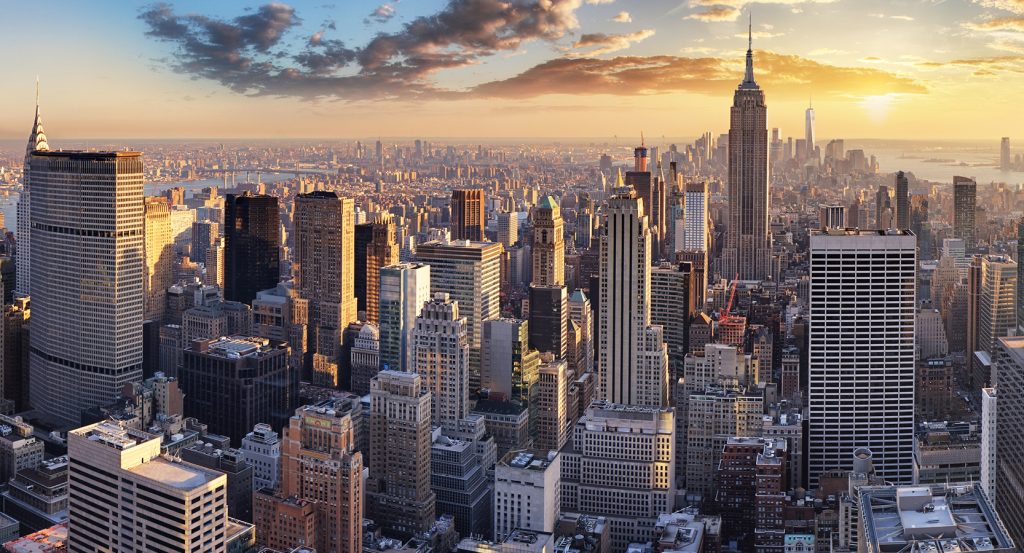
Why you should experience 94th Street in New York, NY.
94th Street is a welcoming corridor where Bay Ridge's waterfront heritage, residential character, neighborhood traditions, and enduring southwestern Brooklyn character shape one of the borough's defining streets.
Running through Bay Ridge between Fort Hamilton and Shore Road, the corridor connects historic homes, apartment buildings, schools, churches, neighborhood businesses, and waterfront parks that collectively reflect more than a century of carefully guided urban development. Brick row houses, Tudor Revival residences, prewar apartment buildings, institutional campuses, commercial storefronts, and tree-lined streetscapes reveal a corridor shaped by suburban expansion, rapid transit investment, residential construction, and sustained neighborhood stewardship. Residents, educators, entrepreneurs, military families, healthcare professionals, and community organizations continue reinforcing 94th Street's importance while supporting housing, commerce, education, and civic life throughout Bay Ridge. The result is an experience defined by architectural continuity, neighborhood character, and the enduring character of one of Brooklyn's defining streets.
What you should know about 94th Street.
94th Street is best known for connecting Bay Ridge's residential core with its waterfront and historic military district, where nineteenth-century country estates gradually gave way to one of Brooklyn's most desirable suburban neighborhoods as transportation improvements accelerated urban growth. Residential expansion intensified following the completion of the Fourth Avenue Line, whose nearby 95th Street station opened in 1925, strengthening connections with Manhattan while encouraging apartment-house construction, neighborhood commerce, churches, schools, and civic institutions throughout Bay Ridge. Development during the early twentieth century introduced substantial brick apartment buildings, detached homes, landscaped residential blocks, and community facilities that established 94th Street as an important east-west connection within southwestern Brooklyn. Today 94th Street reflects more than a century of planning that integrates transportation infrastructure, residential architecture, waterfront access, and neighborhood development within one of Brooklyn's most historically significant urban corridors.
The corridor's military heritage is strengthened by nearby Fort Hamilton, established in 1825 from plans prepared by Simon Bernard with engineering oversight by Joseph G. Totten, remaining New York City's only active United States military installation. Recreation continues through Shore Road Park, whose waterfront promenades, athletic facilities, bicycle paths, and panoramic views across The Narrows preserve a continuous public landscape along Brooklyn's western shoreline. Architectural preservation remains evident throughout the Bay Ridge Historic District, where distinguished early twentieth-century residences and carefully maintained streetscapes document the neighborhood's transformation into one of Brooklyn's premier residential communities. Together, these military, recreational, and architectural resources demonstrate how 94th Street has evolved through sustained investment in public infrastructure, neighborhood stewardship, and waterfront access.
How to fold 94th Street into your trip.
94th Street works as an exploration of Bay Ridge's residential heritage, waterfront landscapes, and military history.
Begin at Shore Road Park, where expansive harbor views, landscaped walking paths, and inviting recreational spaces establish the coastal setting that continues defining the western end of 94th Street. Continue through the Bay Ridge Historic District, where elegant early twentieth-century residences, mature tree-lined blocks, and carefully preserved architecture deepen the experience by revealing the neighborhood planning that shaped Bay Ridge's enduring appeal. Conclude at Fort Hamilton, where historic fortifications, nearly two centuries of military service, and commanding views of The Narrows provide the historical payoff by illustrating how 94th Street connects residential life with one of New York City's oldest continuously active military installations. The sequence progresses naturally from waterfront recreation to architectural preservation before culminating in military history, revealing how 94th Street unites neighborhood continuity, public investment, and coastal heritage across southwestern Brooklyn.
Where your story begins.
Foresyte Travel reveals places that feel extraordinary long before you arrive.
Experience premium editorial crafted for luxury travelers.







































































































