
Why you should experience Aria Hotel Prague in Prague, Czech Republic.
Aria Hotel Prague is Prague expressed as harmony and craft, a hotel that doesn't merely sit beside the city's historic treasures but frames them through design, music, and place in ways that feel profoundly curated.
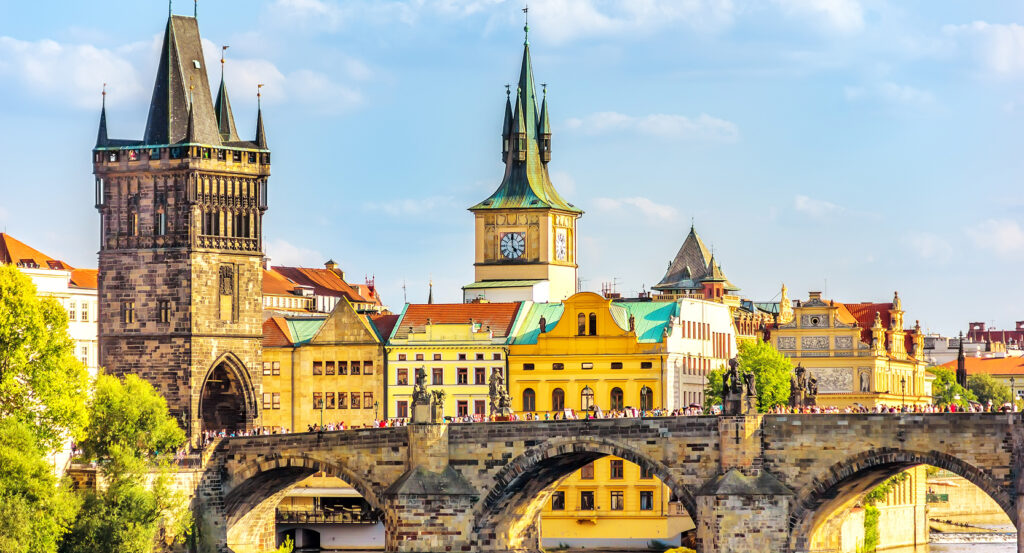
Located in the elegant Mala Strana district, steps from the Vltava River, Charles Bridge, and Prague Castle, Aria occupies an address where the city's physical, cultural, and sonic textures converge. Arrival here doesn't feel like crossing a threshold into generic luxury; it feels like stepping into a composed interlude within the city's layered urban score. Public spaces balance intimacy with grace: proportions that feel thoughtfully measured, materials that age with calm authority, and lighting that moves seamlessly between clarity and warmth. Here, spatial rhythm matters more than ornamentation. Circulation feels natural and unobtrusive, inviting you deeper without pressure, and the overall impression is one of quiet, almost sophisticated clarity rather than visual performance. Guest rooms and suites are where Aria's philosophy crystalizes. Each space feels designed with composition in mind, not just aesthetic, but experiential. Rooms are generous by Prague's historic core standards, arranged so that rest, work, and reflection coexist. Beds are deeply comfortable, engineered for restorative sleep after long days navigating cobblestone streets and historic galleries; linens and finishes feel tactilely rich. Large windows frame views of rooftops, church spires, or leafy courtyards, turning the city's geometry into an ever-shifting backdrop. Furniture is purposeful and refined: desks scaled for real use, seating that invites lingering conversation or quiet reading, and storage designed for unpacking and settlement. Lighting is an intentional architecture unto itself, layered, adaptive, and free of harsh contrasts, enabling smooth transitions from bright mornings to calm evenings. Bathrooms reflect the same disciplined elegance: clean lines, quality fixtures chosen for tactile reassurance, and generous layouts that make daily rituals feel composed and efficient. Deep soaking tubs and walk-in rain showers redefine routine as a gentle pause in the day's movement. Dining and shared spaces at Aria Hotel Prague are refined but unpretentious. Breakfast unfolds in a setting that feels like a cultured beginning rather than a buffet performance, grounding your morning with calm energy. Lounges and common areas are composed like social rooms in a private residence: places to read, plan, converse, or simply pause. This architectural restraint does not dilute experience; it amplifies it by giving your attention room to breathe. Service throughout Aria Hotel Prague is polished, situationally aware, and genuinely supportive. Interactions feel informed rather than scripted, with staff offering guidance that feels rooted in local insight and contextual intelligence. Whether suggesting the quietest routes to lesser-known galleries, arranging music engagements, or navigating Prague's layered neighborhoods, their guidance feels like curated accompaniment. The hotel naturally attracts travelers who value depth over flash: cultural explorers, frequent European visitors seeking sustained comfort over performance, couples drawn to narrative richness, and anyone who wants Prague to feel experienced rather than observed.
What you should know about Aria Hotel Prague.
Aria Hotel Prague was conceived as a symphonic response to its context, a hospitality experience that uses music as both narrative and structural inspiration.
Rather than layering heritage themes or decorative echoes onto Prague's historic fabric, the designers treated the hotel as a score composed of spatial, material, and experiential movements. This is evident from the moment you enter: the lobby's proportions and pacing feel like an overture, using light and texture to establish resonant tonality before visual motifs take over. Public spaces are arranged for rhythm and repose, not scale or performance. Materials are selected and placed with a craftsman's attention to how they absorb, reflect, and shape presence. Guest room interiors were developed through iterative observation of how people actually inhabit space, how they move through it over multiple nights, how light changes through the day, what tactile qualities matter most under repeated use. This behavioral grounding results in environments that feel intuitive and complete. Lighting was integrated as a core design element from the earliest stages, resulting in layers that support circadian rhythm. Natural light is embraced and celebrated, while artificial lighting is calibrated to diminish fatigue. Bathrooms were designed with ritual and comfort in mind, prioritizing clear circulation, tactile finishes, and water systems that perform. Dining venues reflect the same philosophy. Rather than turning meals into theatrical performances, culinary spaces were conceived as social architecture, environments that enable gathering, conversation, and presence without physical competition. Breakfast feels calm and composed, dinner feels orchestrated rather than staged, and lounges feel like extensions of the guest rooms rather than separate performance spaces. Operational culture reinforces this architectural rationale. Staff training emphasizes contextual awareness, adaptive responsiveness, and cultural fluency, enabling service that feels supportive. Recommendations are guided by local intelligence and sensitivity to guest intent. This approach creates an atmosphere where autonomy feels respected and supported. Over time, Aria Hotel Prague has cultivated a loyal audience of repeat guests who return not for novelty, but because the experience feels coherent over use, spaces that perform reliably under repeated occupancy, service that supports without instruction, and an environment that feels rooted in place rather than transplanted into it. In a hospitality landscape where performance and image often dominate, Aria Hotel Prague stands apart for its commitment to integrated presence, architecture, service, and spatial rhythm working together to create an experience that feels complete.
How to fold Aria Hotel Prague into your trip.
Aria Hotel Prague works best when you treat it not as a pause between experiences, but as a base from which your Prague narrative unfolds with coherence and depth.
Begin mornings with thoughtful ease: enjoy breakfast in composed light, letting the hotel's refined calm orient your day before stepping into Prague's historic lanes. From here, explore the Castle District, climb Petrin Hill, or wander Mala Strana's garden terraces with flow. The hotel's position makes midday returns natural and restorative. Head back to rest, read, or simply exist in a quiet interior before the afternoon explorations. Afternoon movement is ideal for discovering Prague's layered neighborhoods, hidden art galleries, refined cafés, local bookshops, and intimate music venues reward curiosity. Use the hotel's local insight to navigate routes that feel meaningful. Evenings at Aria Hotel Prague unfold with nuance. Dine within refined culinary spaces that converse with Czech tradition and contemporary sensibility, or walk toward riverside eateries and relaxed nightspots before returning through historic lanes softened by twilight. Late returns feel calm because the hotel's spatial language absorbs energy. Aria Hotel Prague pairs especially well with itineraries that blend culture, extended stays, work-leisure rhythm, and deep engagement with place.
Where your story begins.
Foresyte Travel reveals places that feel extraordinary long before you arrive.
Experience premium editorial crafted for luxury travelers.





































































































