
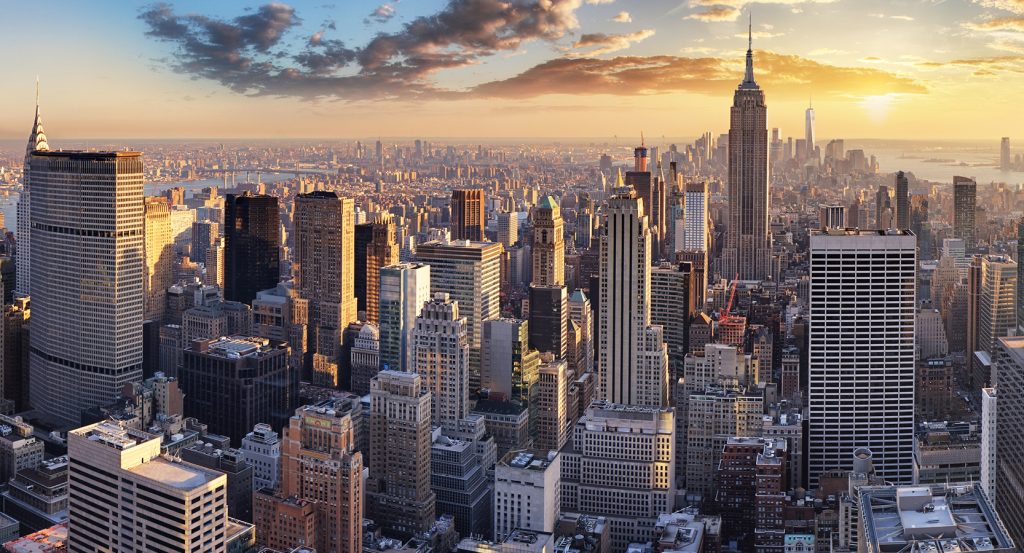
Why you should experience Division Street in New York, NY.
Division Street is a renowned Lower East Side corridor where immigrant heritage, civic history, and cultural diversity converge along one of Manhattan's most historically significant streets.
Running through the Lower East Side between Chinatown and Two Bridges, this historic east-west thoroughfare connects landmark civic institutions, historic tenements, cultural destinations, neighborhood businesses, public gathering spaces, and architectural landmarks that have shaped local life for generations. Historic walk-up buildings, thriving storefronts, civic structures, community landmarks, and celebrated streetscapes create an environment defined by resilience and adaptation. The corridor emerged during the nineteenth century as waves of immigrants transformed the Lower East Side into one of the most densely populated neighborhoods in the world. Jewish, Chinese, Italian, Irish, and countless other communities helped establish a neighborhood character rooted in opportunity, entrepreneurship, and perseverance. To the south, Chinatown extends naturally from Division Street through a collection of historic streets, cultural landmarks, and community institutions that reinforce the corridor's enduring significance. The result is a street defined by immigration, civic importance, and enduring neighborhood character.
What you should know about Division Street.
Division Street is best known for marking the historic boundary that divided early colonial farms and property holdings, giving the street its enduring name and role within Lower Manhattan's development.
Established during New York's early expansion beyond its colonial core, the corridor functioned as a dividing line between large landholdings as the city gradually grew northward. Over time, the surrounding area evolved into one of America's most important immigrant neighborhoods, transforming the street from a rural boundary into a thriving urban corridor. Its name remains a rare reminder of the city's agricultural past and early land-use patterns. Today, Division Street sits at the crossroads of several historically significant communities and cultural traditions. Few Manhattan streets preserve such a direct connection to the physical boundaries that shaped the city's earliest growth.
How to fold Division Street into your trip.
Division Street works as an exploration of immigrant history, neighborhood culture, and Lower Manhattan identity.
Begin at Columbus Park, where the corridor's defining relationship with community life, public gathering, and cultural exchange immediately comes into focus. Continue toward Museum of Chinese in America, whose exhibits reveal the immigrant experiences and cultural contributions that helped shape the surrounding district across generations. From there, make your way to the Tenement Museum, where one of New York's most important historical institutions provides broader perspective on the family stories, struggles, and aspirations that continue to define the neighborhood today. Along the route, you'll encounter historic tenements, cultural institutions, civic landmarks, neighborhood businesses, community gathering spaces, architectural treasures, and celebrated streetscapes that showcase the remarkable depth of the district. The progression moves naturally from Columbus Park to Museum of Chinese in America to the Tenement Museum, revealing how immigration, community leadership, and urban development combined to shape one of Manhattan's most historically significant corridors. Division Street remains one of New York's most rewarding thoroughfares, preserving a distinctive balance between historical significance, cultural authenticity, and contemporary urban vitality.
Where your story begins.
Foresyte Travel reveals places that feel extraordinary long before you arrive.
Experience premium editorial crafted for luxury travelers.







































































































