
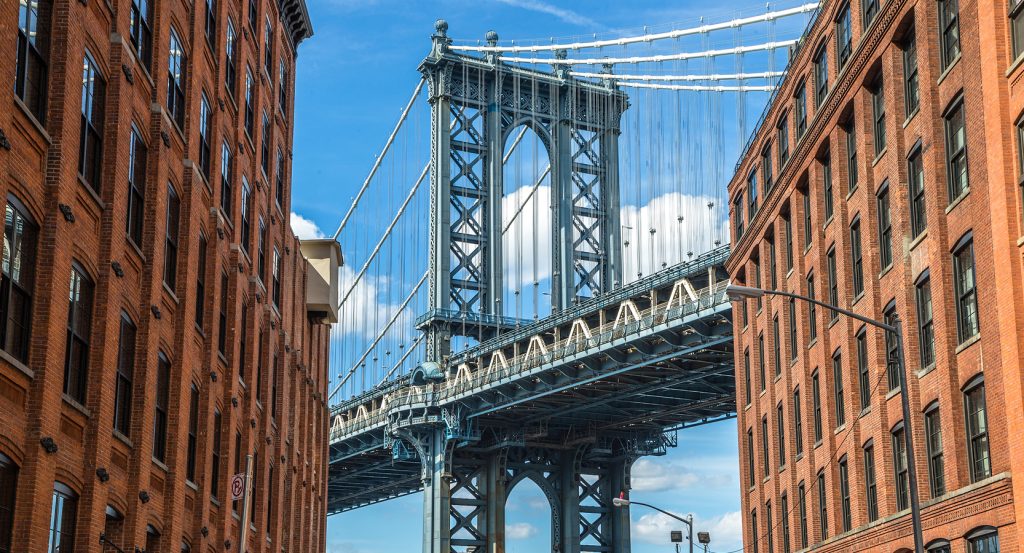
Why you should experience Clay Street in New York, NY.
Clay Street is a historic Greenpoint corridor where industrial innovation, waterfront heritage, and neighborhood character converge along one of North Brooklyn's most enduring streets.
Running through Greenpoint between Williamsburg and Newtown Creek, this historic corridor connects landmark factory buildings, neighborhood businesses, waterfront facilities, historic residential blocks, community institutions, and thriving commercial streets that collectively reflect Brooklyn's remarkable manufacturing legacy. Monumental brick warehouses, adaptive reuse industrial buildings, classic rowhouses, architecturally significant factories, locally owned cafés, and active waterfront infrastructure create a streetscape where generations of shipbuilders, manufacturers, and immigrant communities helped shape one of New York City's great industrial neighborhoods. Clay Street developed during Greenpoint's nineteenth-century manufacturing boom, supporting shipbuilding, glassmaking, porcelain production, rope works, and petroleum industries that established the neighborhood as one of Brooklyn's foremost centers of industrial innovation. The result is a corridor defined by industrial heritage, waterfront resilience, and neighborhood authenticity.
What you should know about Clay Street.
Clay Street is best known for being home to WNYC Transmitter Park, the waterfront site that preserves the former WNYC AM radio transmission facility that broadcast from Greenpoint for decades.
The site served as the transmission point for New York City's municipal radio station, playing an important role in public broadcasting while occupying a prominent location along the East River. Its thoughtful transformation into a public waterfront park preserved elements of the property's broadcasting history while opening previously inaccessible shoreline to the community through landscaped promenades, seating areas, ecological plantings, and panoramic views of Midtown. The park has become a defining symbol of Greenpoint's waterfront revitalization, demonstrating how former industrial and utility properties can be successfully reimagined as energetic public spaces. Today, it remains one of the neighborhood's most distinctive waterfront destinations.
How to fold Clay Street into your trip.
Clay Street works as an exploration of Greenpoint's industrial heritage, waterfront parks, and neighborhood culture.
Begin at WNYC Transmitter Park, where restored waterfront landscapes immediately establish the street's defining connection to Greenpoint's industrial shoreline. Continue toward the Eberhard Faber Pencil Factory Historic District, whose preserved factory buildings provide broader perspective on the manufacturing industries that transformed Greenpoint into one of America's leading industrial neighborhoods. From there, make your way to McGolrick Park, where beautifully landscaped grounds and historic monuments provide a memorable conclusion while showcasing the neighborhood's longstanding civic character. Along the route, you'll encounter architecturally significant industrial buildings, neighborhood cafés, historic rowhouses, welcoming public spaces, active waterfront vistas, and thriving local businesses that reveal the corridor's exceptional depth. The progression moves naturally from landmark waterfront park to pioneering manufacturing complex to beloved neighborhood park, demonstrating how Clay Street connects industrial innovation, public space, and community life within one of Brooklyn's most distinctive neighborhoods. Clay Street remains one of the borough's most rewarding streets, preserving a distinctive balance between historical significance, waterfront beauty, and industrial character.
Where your story begins.
Foresyte Travel reveals places that feel extraordinary long before you arrive.
Experience premium editorial crafted for luxury travelers.







































































































