
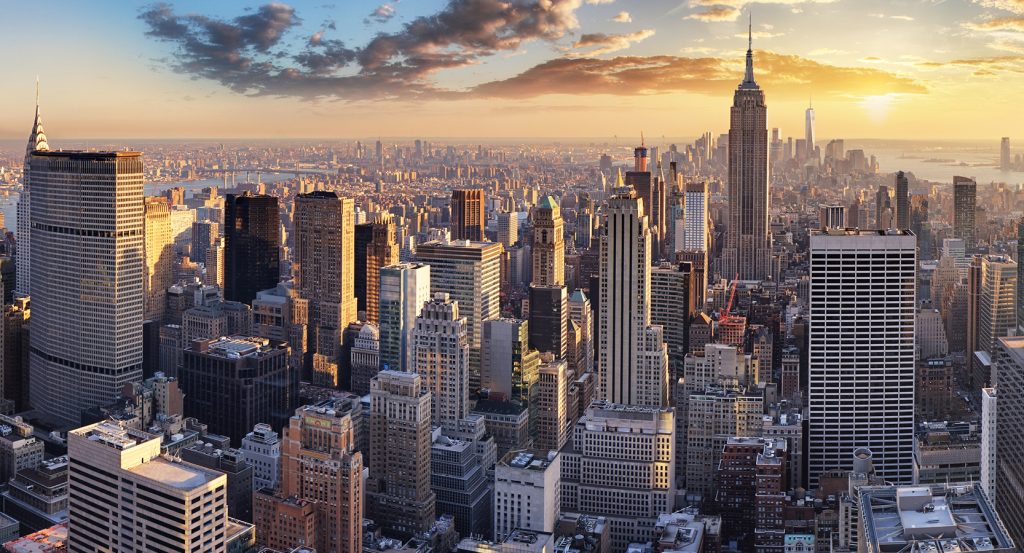
Why you should experience 71st Street in New York, NY.
71st Street is a welcoming corridor where Bay Ridge's waterfront heritage, close-knit residential character, immigrant traditions, and enduring neighborhood character continue shaping one of southwestern Brooklyn's most distinctive communities.
Running through Bay Ridge between Sunset Park and Fort Hamilton, the street weaves past brick rowhouses, detached homes, neighborhood churches, long-established businesses, and leafy residential blocks that reveal a quieter side of Brooklyn beyond its better-known commercial thoroughfares. The corridor reflects more than a century of steady residential growth as early twentieth-century architecture, family-owned storefronts, and community institutions contribute to a streetscape defined by continuity. Walking its length reveals how generations of residents have shaped the neighborhood through local commerce, religious congregations, and carefully maintained homes that continue reinforcing Bay Ridge's enduring character. The result is a corridor where architecture, community traditions, and residential stability combine into an experience that feels distinctly rooted in Brooklyn's southern shoreline.
What you should know about 71st Street.
71st Street is best known for extending through Bay Ridge, a neighborhood whose modern development accelerated after the opening of the Fourth Avenue Subway in 1915 connected southwestern Brooklyn more directly with Manhattan and encouraged substantial residential construction throughout the surrounding blocks. The corridor lies within an area characterized by rows of brick and limestone houses, freestanding residences, apartment buildings, and civic institutions erected primarily during the first half of the twentieth century as farmland and country estates gradually gave way to an established urban neighborhood. Nearby Owl's Head Park occupies land once belonging to the Bliss family estate before landscape architect Charles B. Stover oversaw its conversion into a public park during the early twentieth century, reflecting the civic improvements accompanying Bay Ridge's residential expansion. Continued investment in transportation, public amenities, and preservation of the neighborhood's architectural fabric has allowed 71st Street to retain a remarkably cohesive relationship with the historic residential environment that defines Bay Ridge today.
Population growth following the arrival of rapid transit encouraged developers to introduce substantial rows of brick houses, modest apartment buildings, and neighborhood commercial buildings that established a consistent architectural rhythm extending along and around 71st Street. Religious institutions including St. Patrick Roman Catholic Church, local schools, and long-established civic organizations became enduring anchors for successive Irish, Norwegian, Italian, Greek, Arab, and Asian communities, illustrating how the corridor evolved alongside Bay Ridge's changing cultural landscape. Construction of the Verrazzano-Narrows Bridge in 1964 further strengthened Bay Ridge's regional importance while preserving the neighborhood's predominantly residential character, allowing nearby streets such as 71st Street to remain shaped more by local community life than large-scale redevelopment. Together, these transportation improvements, demographic transitions, architectural continuity, and community institutions explain why 71st Street offers a compelling record of Bay Ridge's steady evolution across more than a century.
How to fold 71st Street into your trip.
71st Street is best experienced through an afternoon exploring Bay Ridge's shoreline, neighborhood history, and residential character.
Begin at Owl's Head Park, where rolling hills, mature trees, New York Harbor views, and traces of the former Bliss estate introduce the landscape that shaped Bay Ridge long before urban development reached the neighborhood. Continue to the Harbor Defense Museum inside Fort Hamilton, whose collections interpret more than two centuries of coastal defense while providing historical context for the military presence that influenced surrounding residential growth. Conclude at John Paul Jones Park, where sweeping views across The Narrows toward Staten Island provide a fitting finale celebrating the waterfront setting that has defined Bay Ridge since its earliest days. The progression moves naturally from historic landscape to military history before concluding beside New York Harbor, revealing how 71st Street connects the neighborhood's residential fabric with the shoreline that has shaped its character for generations.
Where your story begins.
Foresyte Travel reveals places that feel extraordinary long before you arrive.
Experience premium editorial crafted for luxury travelers.







































































































