
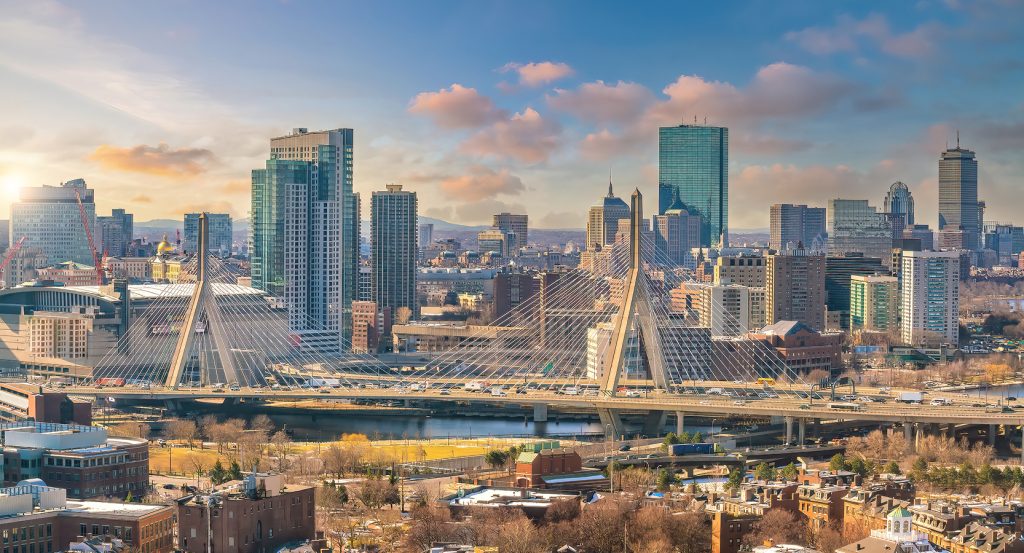
Why you should experience Joy Street in Boston, Massachusetts.
Joy Street is a storied corridor where Beacon Hill's abolitionist legacy, architectural elegance, civic history, and enduring neighborhood character create one of Boston's most meaningful urban streets.
Running through Beacon Hill between the West End and Downtown, the corridor climbs the historic hillside past Federal-era rowhouses, brick sidewalks, iron railings, and closely preserved residential blocks that reveal the neighborhood's remarkable continuity across two centuries. Each successive block heightens the experience as handsome brownstones, historic churches, intimate side streets, and increasingly significant civic landmarks reveal how architecture and social history became inseparable within one of Boston's oldest communities. The defining moment arrives as the corridor's preserved streetscape and profound connections to the struggle for freedom reveal a place whose influence extends far beyond its modest physical scale. The result is an experience defined by historical significance, architectural integrity, and one of Beacon Hill's most remarkable corridors.
What you should know about Joy Street.
Joy Street is best known for forming the heart of Boston's Black Heritage Trail, where the nineteenth-century community on the north slope of Beacon Hill became one of the nation's most influential centers of free Black life and abolitionist activism before the Civil War. Residential development surrounding the corridor accelerated during the early nineteenth century, introducing distinguished Federal, Greek Revival, and Italianate rowhouses constructed with red brick, granite lintels, brownstone trim, slate roofs, and ornamental ironwork that continue defining the street's architectural character. Free Black entrepreneurs, educators, artisans, ministers, and abolitionists established homes, businesses, schools, and community organizations along Joy Street, reinforcing its central role within Boston's African American community throughout the nineteenth century. Preservation of narrow building lots, brick sidewalks, granite curbing, and carefully proportioned residential façades continues expressing the historic urban composition that distinguished Beacon Hill during its formative decades. Collectively, the corridor's architectural continuity, community leadership, abolitionist legacy, and exceptional preservation established Joy Street as one of Beacon Hill's defining historic corridors.
Faith became the defining thread shaping the corridor as the African Meeting House, completed in 1806, nurtured worship, education, public debate, and organized resistance to slavery while strengthening Joy Street's role as the intellectual center of Boston's free Black community. That civic tradition expanded through the Abiel Smith School, opened in 1835, whose educational mission reflected the community's enduring commitment to learning, opportunity, and self-determination while reinforcing the corridor's broader cultural influence. Skilled brick masons, carpenters, blacksmiths, and stone craftsmen strengthened that legacy by creating enduring masonry façades, timber-framed interiors, granite foundations, and handcrafted architectural details that continue distinguishing the buildings lining Joy Street today. Together, these institutions, artisan traditions, and educational achievements demonstrate how Joy Street evolved into a corridor where architecture, scholarship, and the pursuit of freedom became inseparable across successive generations.
How to fold Joy Street into your trip.
Joy Street works as a walk through Beacon Hill's African American heritage and the people who reshaped Boston's civic history.
Begin at Charles Street Meeting House, where one of Beacon Hill's most influential nineteenth-century congregations introduces the neighborhood's reform-minded spirit before naturally leading toward Joy Street's deeper abolitionist story. Continue to Museum of African American History, where immersive exhibits inside the African Meeting House and Abiel Smith School reveal the individuals, institutions, and movements that defined the corridor's enduring significance. Conclude at Louisburg Square, where impeccably preserved Federal-era residences provide the experiential payoff by revealing how Beacon Hill's celebrated architectural legacy and its powerful history of social progress developed side by side. The progression moves naturally from civic reform to the neighborhood's defining story of freedom before concluding within the residential landscape that preserves both histories with remarkable integrity.
Where your story begins.
Foresyte Travel reveals places that feel extraordinary long before you arrive.
Experience premium editorial crafted for luxury travelers.







































































































