Why you should experience Packwood Lodge near Mount Rainier National Park, Washington.
Packwood Lodge is where mountain-town familiarity meets unfiltered access to the southern reaches of Mount Rainier, where staying feels like choosing a practical, grounding base rather than a performance, and where the surrounding forests, rivers, and seasonal rhythms quietly shape the cadence of each day.
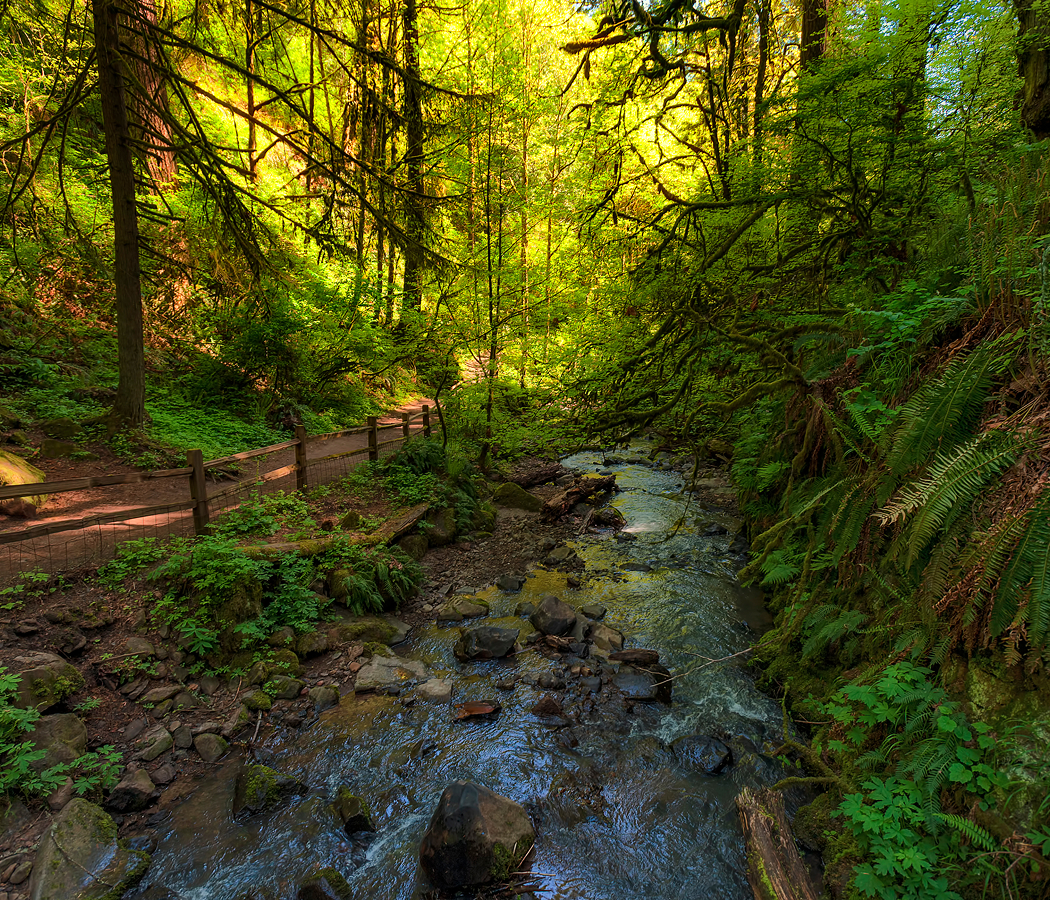
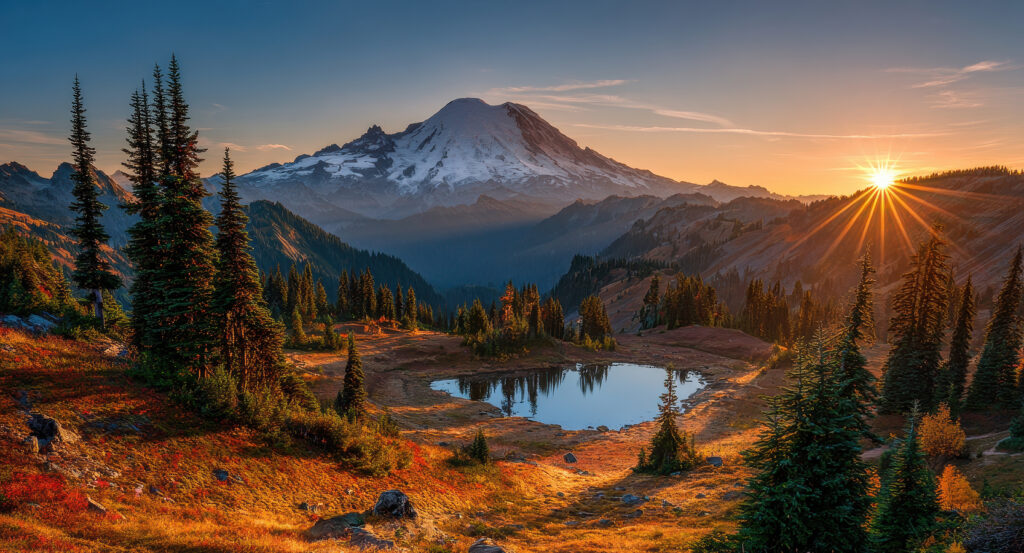
Situated in the small town of Packwood along the Cowlitz River corridor, Packwood Lodge occupies a strategic position between wilderness immersion and everyday ease, offering proximity to Mount Rainier National Park's less-trafficked southern entrances while remaining firmly rooted in the lived-in character of a working mountain community. Arrival is refreshingly unceremonious, setting the tone immediately: this is a place designed to support movement, exploration, and rest. The lodge's exterior reflects its purpose-driven nature, blending seamlessly into the town's modest scale and forested surroundings rather than announcing itself as a destination apart from them. Inside, the atmosphere is straightforward, warm, and quietly functional, favoring clarity and comfort over curated drama. Guest rooms are clean, spacious, and thoughtfully arranged, prioritizing rest after long days outdoors. Beds are generous and dependable, dressed in simple linens that emphasize sleep quality. Windows often frame views of trees, neighboring rooftops, or passing weather systems that subtly reinforce your proximity to the mountains beyond. Furnishings are practical and durable, supporting unpacking, repacking, and the rhythms of travelers who measure days by trail mileage, snowfall, or daylight. Bathrooms are modern and efficient, offering hot showers and reliable amenities that feel particularly restorative after time spent hiking, skiing, or driving mountain roads. The lodge's common areas extend this character of usefulness and ease, providing informal gathering spaces where guests naturally exchange trail reports, weather observations, and quiet conversation. There is a distinct absence of performative luxury, replaced instead by an atmosphere that feels honest, unpretentious, and aligned with the realities of mountain travel. Service at Packwood Lodge mirrors this sensibility: friendly, local, and informed by real familiarity with the area. Staff members are often quick to share practical insights about road conditions, seasonal access points, nearby dining options, and the best times to explore different corners of the region. The location itself is a defining asset. From Packwood Lodge, Mount Rainier's southern trails, viewpoints, and snow parks are within comfortable driving distance, while the surrounding Gifford Pinchot National Forest opens up additional layers of exploration that many visitors never reach. In winter, the area becomes a hub for snowshoeing, cross-country skiing, and sledding, while summer brings wildflowers, rushing rivers, and long alpine days that stretch well into the evening. Packwood Lodge does not attempt to replace the experience of the landscape; it supports it quietly, reliably, and without distraction, making it an ideal base for travelers who value access, authenticity, and a sense of place over theatrical refinement.
What you should know about Packwood Lodge.
Packwood Lodge is embedded within a town and region shaped as much by working landscapes as by recreation, offering a window into a side of Mount Rainier's orbit that predates modern tourism and continues to operate on its own terms.
Packwood itself began as a railroad and logging community, positioned strategically along routes that once supported timber transport through the Cowlitz River valley. Long before Mount Rainier became a globally recognized symbol of wilderness, the surrounding forests were places of labor, settlement, and seasonal migration, with communities forming around the practical demands of forestry, rail, and later outdoor access. Packwood Lodge emerged within this context as a functional accommodation rather than a destination in itself, serving hunters, workers, and early park visitors who needed a reliable place to stay while moving through the region. This lineage continues to influence the lodge's character today. Rather than adopting a purely recreational identity, it maintains a grounded relationship with the town's year-round residents and seasonal rhythms. One lesser-known aspect of Packwood's appeal is its role as a gateway to the quieter southern sections of Mount Rainier National Park, including access points that often feel worlds apart from the more heavily trafficked Paradise corridor. Travelers staying at Packwood Lodge are well positioned to experience areas where wildlife sightings are more common, trailhead parking is less competitive, and the sense of solitude feels more intact. The surrounding Gifford Pinchot National Forest further expands this landscape, offering hundreds of miles of trails, dispersed camping zones, and river access that support a more exploratory, less curated relationship with the outdoors. Packwood Lodge's longevity reflects an understanding of these dynamics. Instead of chasing trends or rebranding itself with each shift in travel culture, it has remained consistent, updating amenities where necessary while preserving its role as a dependable base. During winter months, when snowfall transforms the region into a quiet, monochrome world, the lodge often becomes a gathering point for snow travelers seeking early starts and late returns. In summer, it supports a different kind of flow, accommodating hikers, anglers, cyclists, and families drawn by festivals, forest access, and seasonal events unique to small mountain towns. The lodge's connection to Packwood's community is subtle but meaningful. Local businesses, cafés, and supply shops operate within walking or short driving distance, reinforcing a sense that staying here places you inside a living ecosystem. Over time, Packwood Lodge has come to represent a particular philosophy of mountain hospitality: one that values reliability, context, and continuity over reinvention. It offers guests not a curated story, but participation in a place that continues to evolve at its own pace, shaped by weather, work, and the enduring presence of Mount Rainier on the horizon.
How to fold Packwood Lodge into your trip.
Packwood Lodge fits most naturally into itineraries that prioritize flexibility, regional depth, and a willingness to explore beyond the most photographed edges of Mount Rainier National Park.
Begin your days early, especially during peak seasons, using the lodge's location to your advantage by reaching southern trailheads before crowds concentrate elsewhere. After a simple breakfast in town or nearby, drive toward access points that lead into quieter forest corridors, selecting hikes that match the season, lush river trails and wildflower meadows in late spring and summer, ridge walks and forest loops in early fall, and snow-covered routes during winter months when the landscape becomes hushed and expansive. Return to Packwood Lodge midday for rest, gear adjustments, or a brief pause before heading back out, using the ease of access to reset. In the afternoons, branch outward to explore the broader region: follow forest roads into Gifford Pinchot National Forest, visit nearby lakes and waterfalls, or simply walk through Packwood to absorb the rhythms of a town shaped by seasons. Evenings are best kept unhurried. Dine locally, then return to the lodge to wind down, reviewing trail maps, weather forecasts, or the quiet satisfaction of a full day spent outdoors. Without the pressure of resort programming or nightlife, evenings naturally taper into rest, allowing early mornings to feel inviting rather than taxing. For longer stays, alternate high-effort days with gentler exploration, using the lodge as a stable anchor while you range outward in widening circles. Winter travelers should build flexibility into their plans, allowing weather to guide decisions rather than resist them, using the lodge as a warm, reliable base when conditions shift unexpectedly. Packwood Lodge supports this adaptive approach by remaining constant even as the environment transforms around it. When your trip concludes, the memory that lingers is not of opulence or performance, but of alignment, a sense that your lodging choice supported the landscape. Packwood Lodge works best for travelers who understand that the most meaningful mountain experiences often come not from polished narratives, but from steady access, local grounding, and the freedom to meet the outdoors on its own terms.
Where your story begins.
Foresyte Travel reveals places that feel extraordinary long before you arrive.
Experience premium editorial crafted for luxury travelers.