Why Arlington Street matters.
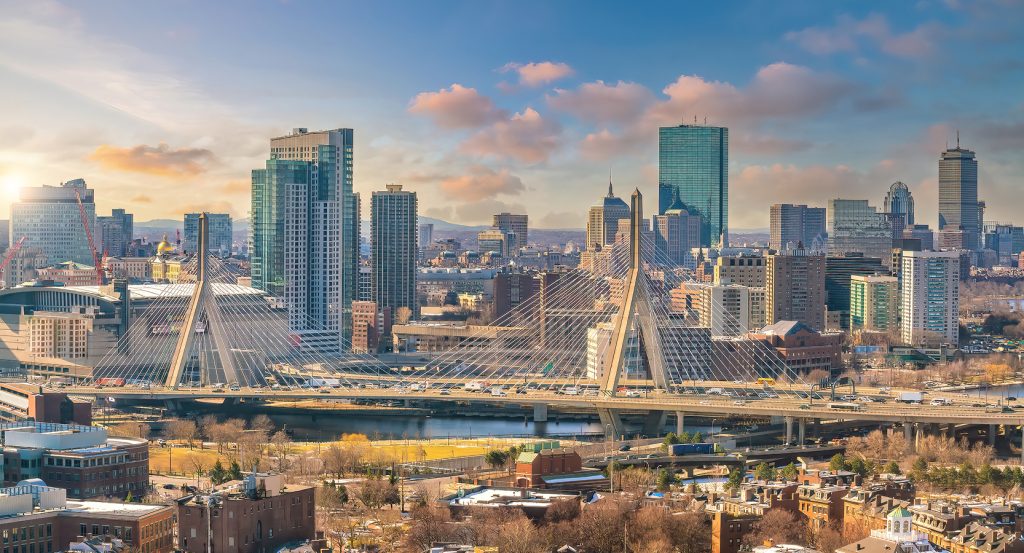
Arlington Street is an elegant Back Bay corridor where architectural grandeur, literary heritage, and civic beauty converge along one of Boston's most distinguished avenues.
Running through Back Bay between Beacon Street, Boylston Street, Columbus Avenue, and the Public Garden, this graceful corridor connects landmark churches, historic brownstones, architecturally significant hotels, celebrated cultural institutions, beautifully landscaped public spaces, and thriving commercial destinations that collectively showcase Boston's extraordinary nineteenth-century urban planning. Victorian architecture, thoughtfully preserved residential façades, welcoming tree-lined sidewalks, energetic neighborhood life, celebrated civic landmarks, and enduring cultural traditions create an urban landscape where generations of architects, writers, reformers, artists, residents, and visitors have shaped one of New England's defining urban corridors. Arlington Street has remained one of Boston's most prestigious addresses while preserving the timeless elegance that defines the Back Bay. The result is a corridor defined by architectural excellence, cultural distinction, and lasting historical significance.
What defines Arlington Street.
Arlington Street is best known for housing Arlington Street Church, where Julia Ward Howe first publicly proclaimed Mother's Day for Peace in 1870, launching an international peace movement that inspired later campaigns for the modern observance of Mother's Day around the world.
Completed in 1861 and designed by Arthur Gilman, the church became one of Boston's leading centers of progressive religious thought and social reform. Its congregation welcomed abolitionists, suffragists, civil rights advocates, and peace activists whose influence extended far beyond New England. Julia Ward Howe's famous proclamation called upon mothers worldwide to unite against war, establishing one of the most enduring humanitarian legacies associated with any Boston church. Today, Arlington Street Church remains internationally recognized for its longstanding commitment to social justice, equality, and peace. That extraordinary humanitarian legacy has established Arlington Street as one of America's most historically significant civic corridors.
How Arlington Street fits.
Arlington Street works as an exploration of Boston's architectural heritage, civic history, and iconic public spaces.
Begin along Arlington Street, where the elegant streetscape immediately establishes the corridor's defining identity. Continue toward Arlington Street Church, where one of Boston's most historically significant religious landmarks provides broader perspective on the avenue's extraordinary humanitarian legacy. From there, make your way to the Boston Public Garden, where America's first public botanical garden provides a memorable conclusion while celebrating Boston's enduring blend of architecture, landscape design, and civic beauty. Along the way, you'll encounter architecturally significant Victorian buildings, welcoming public spaces, thriving cultural destinations, beautifully preserved historic landmarks, celebrated civic institutions, and energetic gathering places that reveal Back Bay's exceptional depth. The progression moves naturally from a distinguished urban corridor to a landmark of international peace advocacy to one of America's most beloved public gardens, demonstrating how Arlington Street connects humanitarian leadership, community life, and historical discovery.
Where your story begins.
Foresyte Travel reveals places that feel extraordinary long before you arrive.
Enjoy editorial crafted for luxury travelers.
Foresyte may earn a commission when you book.