
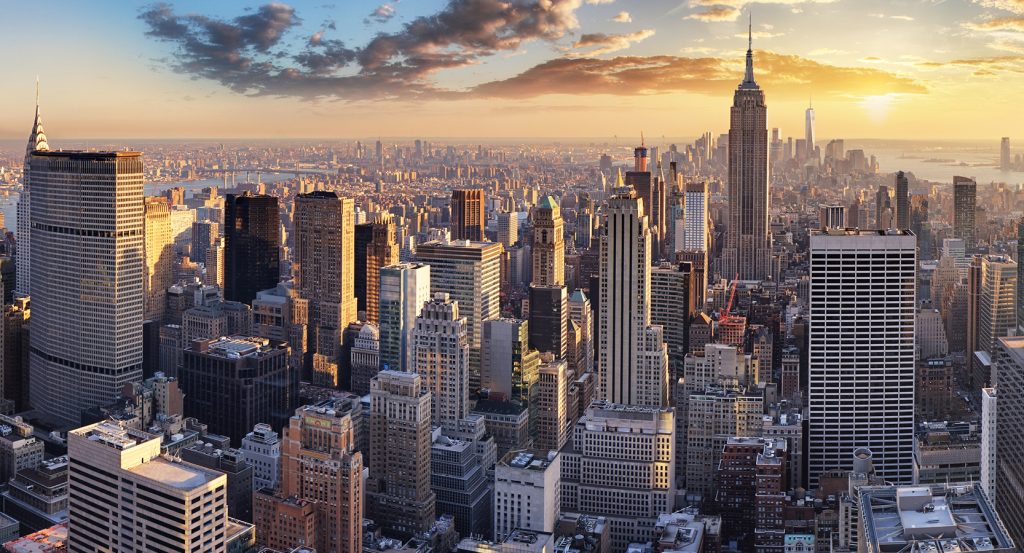
Why you should experience Bank Street in New York, NY.
Bank Street is a graceful corridor where West Village's residential heritage, artistic legacy, architectural distinction, and enduring downtown character shape one of Manhattan's defining streets.
Running through West Village between Meatpacking District and Greenwich Village, the corridor connects historic row houses, apartment buildings, schools, churches, neighborhood businesses, and riverside parks that collectively reflect more than two centuries of carefully guided urban development. Federal-style houses, Greek Revival residences, Gothic Revival institutions, prewar apartment buildings, tree-lined blocks, and preserved streetscapes reveal a corridor shaped by residential expansion, cultural influence, historic preservation, and sustained neighborhood stewardship. Residents, educators, writers, artists, architects, and community organizations continue reinforcing Bank Street's importance while supporting housing, education, culture, and civic life throughout the West Village. The result is an experience defined by architectural continuity, creative heritage, and the enduring character of one of Manhattan's defining streets.
What you should know about Bank Street.
Bank Street is best known for traversing the heart of the West Village, where Manhattan's irregular colonial street pattern, early nineteenth-century residential development, and later artistic communities produced one of New York City's most celebrated historic neighborhoods. The street derives its name from the proposed Bank of New York branch that was planned for the area during the 1790s, although the branch was never constructed and the street retained the name as the surrounding neighborhood continued to develop. Construction accelerated during the early nineteenth century as row houses spread northward from Greenwich Village, while later proximity to the Hudson River Railroad, waterfront commerce, and the IRT Broadway-Seventh Avenue Line strengthened residential demand and neighborhood institutions throughout the corridor. Today Bank Street reflects more than two centuries of planning that integrates transportation infrastructure, residential architecture, educational institutions, and historic preservation within one of New York City's most historically significant urban corridors.
The corridor's educational character is anchored by Bank Street College of Education, founded in 1916 by Lucy Sprague Mitchell, whose progressive approach to teacher preparation and child development has influenced generations of educators. Nearby Greenwich Village Historic District, designated by the New York City Landmarks Preservation Commission in 1969, protects one of the nation's largest collections of nineteenth-century residential architecture and culturally significant streetscapes. Recreation and waterfront access continue through Hudson River Park, established in 1998, transforming former industrial piers into an expansive public landscape extending along Manhattan's western shoreline. Together, these educational, architectural, and recreational institutions demonstrate how Bank Street has evolved through sustained investment in scholarship, preservation, and public space.
How to fold Bank Street into your trip.
Bank Street works as an exploration of the West Village's educational legacy, residential architecture, and waterfront renewal.
Begin at Bank Street College of Education, where pioneering educational philosophy, distinguished institutional history, and an active academic community establish the intellectual foundation that continues defining Bank Street and the surrounding neighborhood. Continue through the Greenwich Village Historic District, where Federal and Greek Revival row houses, intimate tree-lined blocks, and carefully preserved architecture deepen the experience by revealing the craftsmanship and neighborhood planning that have shaped the West Village for generations. Conclude at Hudson River Park, where restored piers, landscaped promenades, and expansive river views provide the historical payoff by illustrating how Bank Street ultimately connects one of Manhattan's most treasured residential districts with its revitalized waterfront. The sequence progresses naturally from educational innovation to architectural preservation before culminating in waterfront renewal, revealing how Bank Street unites scholarship, neighborhood continuity, and public investment across Lower Manhattan.
Where your story begins.
Foresyte Travel reveals places that feel extraordinary long before you arrive.
Experience premium editorial crafted for luxury travelers.







































































































