Why you should experience Barton Street in Seattle, Washington.
Barton Street is a welcoming West Seattle corridor where neighborhood character, coastal recreation, and community life converge along one of the peninsula's most important east-west streets.
Running through West Seattle between White Center and Fauntleroy, this well-traveled corridor connects established residential neighborhoods with thriving local businesses, community parks, neighborhood cafés, independent restaurants, and convenient access to Puget Sound. Mature trees, inviting green spaces, and a strong sense of local character define the surrounding streets, while decades of thoughtful development have created a corridor that balances everyday community life with easy access to some of Seattle's most celebrated natural landscapes. Whether exploring neighborhood shops or venturing toward the shoreline, Barton Street offers an authentic perspective on West Seattle beyond the city's traditional visitor destinations. The result is a corridor defined by neighborhood vitality, community heritage, and enduring local character.
What you should know about Barton Street.
Barton Street is best known for leading to Fauntleroy Ferry Terminal, where the Washington State Ferries system operates the largest ferry network in the United States, carrying more than 19 million passengers annually across Puget Sound and serving as a critical marine transportation lifeline that has connected West Seattle with Vashon Island and the Kitsap Peninsula for generations.
The ferry route represents far more than a commuter connection, forming part of one of the world's most remarkable publicly operated marine transportation systems. Massive double-ended ferries transport residents, visitors, freight, emergency services, and vehicles across challenging waterways while showcasing spectacular views of Puget Sound, the Olympic Mountains, and the Seattle skyline. The scale and complexity of the network make it one of Washington's defining engineering and transportation achievements, illustrating how marine infrastructure continues shaping everyday life throughout the Pacific Northwest. Few urban corridors provide direct access to a transportation system that operates on such an extraordinary scale while remaining an essential part of daily life.
How to fold Barton Street into your trip.
Barton Street works as an exploration of West Seattle's coastal scenery, neighborhood culture, and natural landscapes.
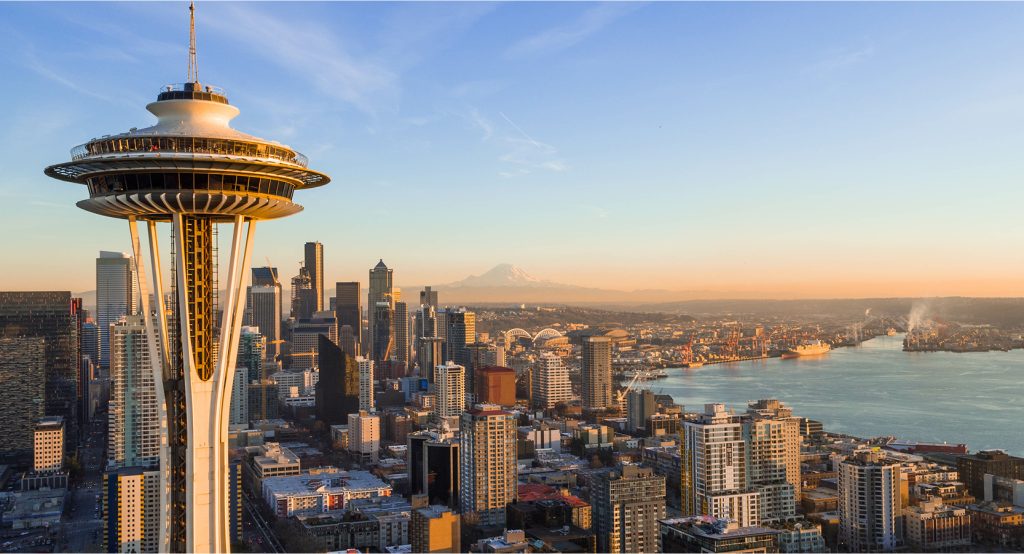
Begin in the morning exploring Barton Street before making your first stop at Fauntleroy Ferry Terminal, where sweeping Puget Sound views and the constant movement of Washington State Ferries immediately establish the corridor's maritime significance. Continue toward Lincoln Park, whose forested trails, saltwater shoreline, and panoramic Olympic Mountain vistas provide a refreshing outdoor experience before enjoying lunch at one of West Seattle's neighborhood cafés. From there, make your way to Alki Beach, where sandy shores, the Seattle skyline, and spectacular sunsets provide a memorable conclusion. Along the route, neighborhood parks, locally owned businesses, public viewpoints, waterfront scenery, and welcoming residential streets demonstrate how Barton Street seamlessly connects everyday neighborhood life with some of the Pacific Northwest's most celebrated coastal landscapes. The progression moves naturally from a major ferry terminal to a beloved waterfront park to Seattle's iconic urban beach, revealing why Barton Street remains one of West Seattle's most rewarding corridors.
Where your story begins.
Foresyte Travel reveals places that feel extraordinary long before you arrive.
Experience premium editorial crafted for luxury travelers.