
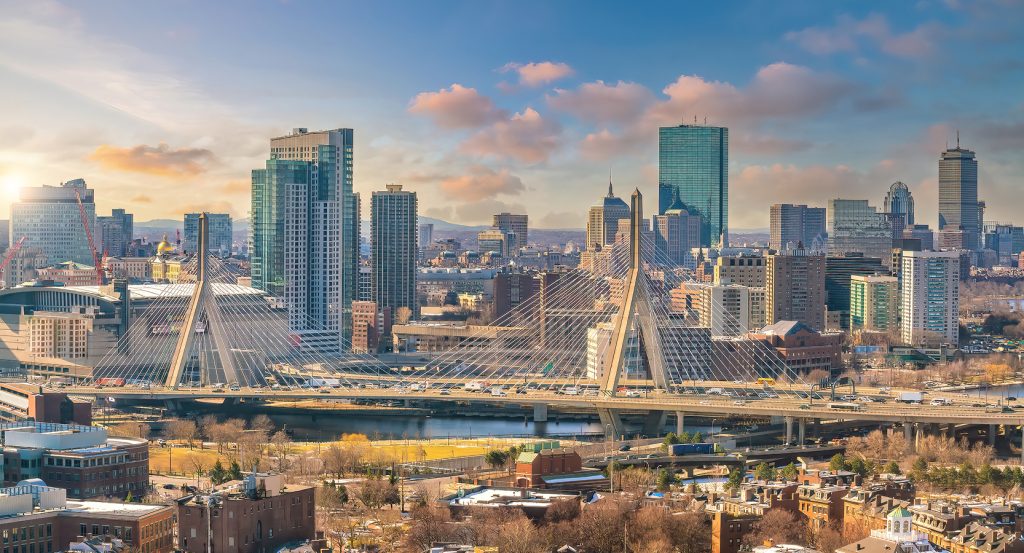
Why Berkeley Street matters.
Berkeley Street is a distinguished Back Bay corridor where Victorian architecture, civic history, and cultural heritage converge along one of Boston's most elegant avenues.
Running through Back Bay and the South End between Beacon Street, Boylston Street, Columbus Avenue, and Tremont Street, this graceful corridor connects landmark churches, historic brownstones, architecturally significant civic buildings, celebrated cultural institutions, thriving neighborhood businesses, and beautifully landscaped public spaces that collectively showcase Boston's extraordinary nineteenth-century urban planning. Ornate brick façades, thoughtfully preserved residential architecture, welcoming tree-lined sidewalks, energetic commercial destinations, celebrated civic landmarks, and enduring neighborhood traditions create an urban landscape where generations of architects, artists, reformers, entrepreneurs, residents, and visitors have shaped one of New England's defining urban corridors. Berkeley Street has remained central to Back Bay's architectural character while preserving the elegance that defines one of America's finest Victorian neighborhoods. The result is a corridor defined by architectural excellence, cultural distinction, and lasting historical significance.
What defines Berkeley Street.
Berkeley Street is best known for housing the Boston Center for the Arts, whose Cyclorama building was constructed in 1884 to display Paul Philippoteaux's expansive panoramic painting of the Battle of Gettysburg before becoming one of New England's leading centers for contemporary visual and performing arts.
Originally designed as a purpose-built exhibition hall for one of the nineteenth century's most celebrated immersive artworks, the massive circular structure drew thousands of visitors eager to experience the enormous battlefield panorama. As artistic tastes evolved, the building was carefully adapted into a multidisciplinary cultural venue, preserving its remarkable architecture while welcoming generations of painters, actors, musicians, playwrights, and audiences. Today, the Cyclorama stands as one of the few surviving buildings of its kind in the United States and anchors Boston's thriving arts community. That extraordinary adaptive reuse has established Berkeley Street as one of the city's most culturally significant corridors.
How Berkeley Street fits.
Berkeley Street works as an exploration of Boston's architectural heritage, performing arts, and historic Back Bay.
Begin along Berkeley Street, where the elegant Victorian streetscape immediately establishes the corridor's defining identity. Continue toward the Boston Center for the Arts, where the historic Cyclorama provides broader perspective on the street's extraordinary artistic legacy. From there, make your way to the Boston Public Garden, where America's first public botanical garden provides a memorable conclusion while celebrating Boston's enduring commitment to architecture, culture, and civic beauty. Along the way, you'll encounter architecturally significant brownstones, welcoming neighborhood cafés, thriving arts venues, beautifully preserved historic landmarks, celebrated public spaces, and energetic gathering places that reveal Back Bay's exceptional depth. The progression moves naturally from a distinguished urban corridor to a landmark arts institution to one of America's most beloved public gardens, demonstrating how Berkeley Street connects artistic innovation, community life, and historical discovery.
Where your story begins.
Foresyte Travel reveals places that feel extraordinary long before you arrive.
Enjoy editorial crafted for luxury travelers.
Foresyte may earn a commission when you book.







































































































