
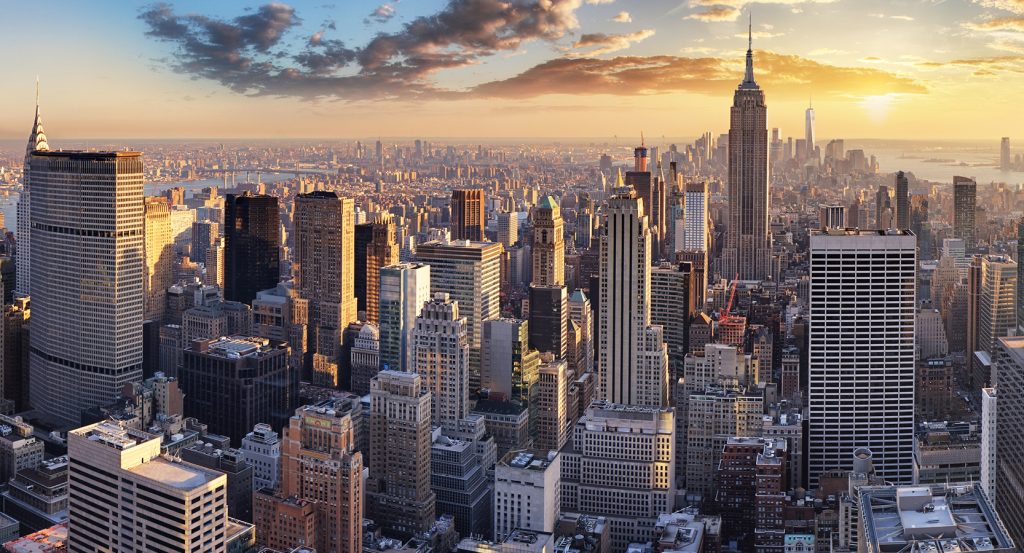
Why Bond Street matters.
Bond Street is a historic NoHo corridor where architectural elegance, artistic influence, and residential prestige converge along one of Lower Manhattan's most distinguished streets.
Running through NoHo between Broadway and the Bowery, this intimate neighborhood thoroughfare connects landmark row houses, cultural institutions, public gathering spaces, neighborhood destinations, architectural treasures, and historic buildings that have shaped local life for generations. Cast-iron facades, nineteenth-century residences, preserved streetscapes, creative workspaces, and celebrated urban vistas create an environment defined by refinement and authenticity. The corridor emerged during the nineteenth century as one of New York's most fashionable residential addresses, attracting affluent families, civic leaders, and cultural figures. Architects, artists, preservationists, entrepreneurs, residents, and community advocates helped establish a legacy that continues to define the neighborhood today. To the west, Greenwich Village extends naturally from Bond Street through a collection of historic streets, cultural landmarks, and neighborhood destinations that reinforce the corridor's enduring significance. The result is a street defined by architectural distinction, cultural influence, and enduring downtown character.
What defines Bond Street.
Bond Street is best known for being one of Manhattan's most prestigious nineteenth-century residential streets, lined with elegant homes built for New York's merchant elite during the city's period of rapid expansion.
During the mid-nineteenth century, Bond Street emerged as one of the city's most fashionable addresses, attracting prominent merchants, financiers, and civic leaders seeking residences away from Lower Manhattan's crowded commercial core. Its elegant row houses and refined streetscape reflected the aspirations of a growing metropolis. Although New York's wealthiest residents eventually moved farther uptown, many of the street's architectural treasures survived, preserving a rare glimpse into the city's residential history. Today, Bond Street remains one of NoHo's most architecturally significant corridors. Few Manhattan streets maintain such a direct connection to the era when New York's merchant class began reshaping the city's social geography.
How Bond Street fits.
Bond Street works as an exploration of architecture, neighborhood history, and downtown culture.
Begin at the NoHo Historic District, where the corridor's defining relationship with preservation, design, and urban evolution immediately comes into focus. Continue toward Cooper Union, whose academic and civic significance reveals the intellectual and cultural ambitions that helped shape the surrounding district across generations. From there, make your way to Astor Place, where one of Lower Manhattan's most recognizable public spaces provides broader perspective on the creativity, community life, and architectural heritage that continue to define NoHo today. Along the route, you'll encounter historic row houses, cultural institutions, architectural treasures, public gathering spaces, neighborhood destinations, civic landmarks, and celebrated streetscapes that showcase the remarkable depth of the district. The progression moves naturally from the NoHo Historic District to Cooper Union to Astor Place, revealing how architecture, culture, and preservation combined to shape one of Manhattan's most admired corridors. Bond Street remains one of New York's most rewarding thoroughfares, preserving a distinctive balance between historical significance, architectural beauty, and contemporary urban vitality.
Where your story begins.
Foresyte Travel reveals places that feel extraordinary long before you arrive.
Enjoy editorial crafted for luxury travelers.
Foresyte may earn a commission when you book.







































































































