
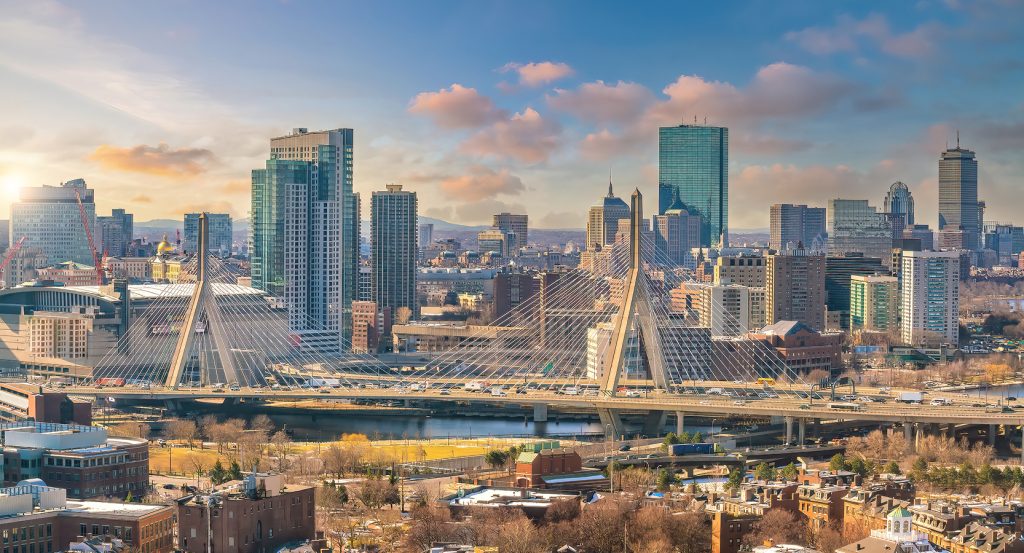
Why Canal Street matters.
Canal Street is a lively West End corridor where transportation history, sporting tradition, and entertainment culture converge along one of Boston's busiest downtown streets.
Running through the West End between Causeway Street, North Station, Merrimac Street, and New Chardon Street, this energetic corridor connects landmark sports venues, historic transit facilities, architecturally significant commercial buildings, thriving restaurants, welcoming public plazas, and energetic entertainment destinations that collectively showcase Boston's remarkable evolution from a nineteenth-century transportation hub to a premier urban gathering place. Contemporary mixed-use architecture, thoughtfully revitalized pedestrian spaces, thriving commercial activity, celebrated civic venues, thriving neighborhood businesses, and enduring public traditions create an urban landscape where generations of railroad workers, athletes, performers, commuters, residents, and visitors have shaped one of New England's defining downtown corridors. Canal Street has continually evolved while preserving its historic role as one of the city's principal gateways. The result is a corridor defined by civic vitality, commercial energy, and lasting metropolitan significance.
What defines Canal Street.
Canal Street is best known for housing North Station, which has served as Boston's northern rail gateway since 1893 and today ranks among New England's busiest transportation hubs, connecting millions of passengers annually through commuter rail, intercity rail, and rapid transit services.
The original station unified several independent railroads into a single downtown terminal, dramatically improving regional transportation while fueling Boston's commercial expansion during the late nineteenth and early twentieth centuries. Although the historic station was replaced as part of the TD Garden redevelopment, the site has remained the principal northern gateway into the city, seamlessly integrating Amtrak, MBTA commuter rail, the Green and Orange subway lines, and regional bus connections. Today, its strategic importance continues to shape Boston's economy, commuting patterns, and visitor experience while reinforcing the district's status as one of the city's busiest civic centers. That extraordinary transportation legacy has established Canal Street as one of New England's most significant urban corridors.
How Canal Street fits.
Canal Street works as an exploration of Boston's sporting heritage, transportation history, and downtown landmarks.
Begin along Canal Street, where the energetic streetscape immediately establishes the corridor's defining identity. Continue toward TD Garden, where one of the world's premier sports and entertainment venues provides broader perspective on the district's extraordinary civic legacy. From there, make your way to the Museum of Science, where one of New England's leading science museums provides a memorable conclusion while celebrating Boston's enduring blend of innovation, recreation, and public life. Along the way, you'll encounter architecturally significant modern developments, welcoming public plazas, thriving restaurants, beautifully designed pedestrian spaces, celebrated transportation hubs, and energetic gathering places that reveal the West End's exceptional depth. The progression moves naturally from a historic transportation corridor to Boston's premier sports arena to one of the nation's leading science museums, demonstrating how Canal Street connects mobility, community life, and urban discovery.
Where your story begins.
Foresyte Travel reveals places that feel extraordinary long before you arrive.
Enjoy editorial crafted for luxury travelers.
Foresyte may earn a commission when you book.







































































































