
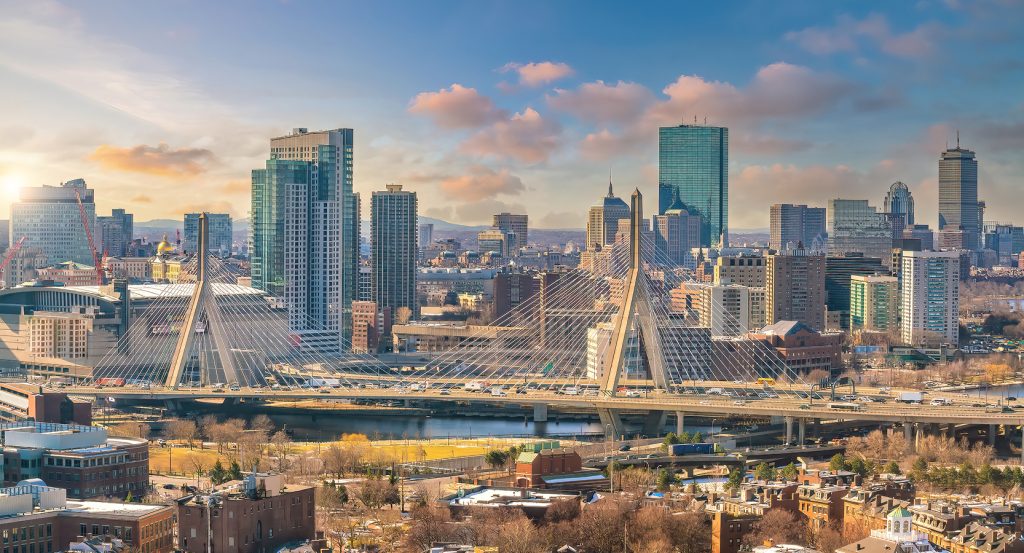
Why you should experience Carlton Street in Boston, Massachusetts.
Carlton Street is a refined corridor where Fenway-Kenmore's academic traditions, residential elegance, cultural institutions, and carefully planned streetscapes create one of Boston's most appealing neighborhood passages.
Running through Fenway-Kenmore between Longwood and Brookline, the corridor connects distinguished apartment buildings, historic residences, educational institutions, and landscaped streets that reflect the neighborhood's deliberate early twentieth-century development. Each successive block reveals red brick façades, limestone trim, mature shade trees, ornamental ironwork, and thoughtfully scaled architecture that foster an intimate urban setting despite the surrounding institutional district. The defining moment arrives as Carlton Street's harmonious streetscape demonstrates how residential design and educational investment have shaped this portion of Boston for more than a century. The result is an experience defined by architectural refinement, neighborhood continuity, and one of Fenway-Kenmore's most inviting corridors.
What you should know about Carlton Street.
Carlton Street is best known for developing alongside the expansion of Boston's Streetcar Suburbs during the late nineteenth and early twentieth centuries, when electric transit encouraged substantial residential construction surrounding the emerging Longwood and Fenway districts. Development accelerated between the 1890s and 1920s, producing a cohesive collection of Colonial Revival, Georgian Revival, and Classical Revival apartment buildings and rowhouses distinguished by red brick masonry, limestone lintels, copper detailing, decorative cornices, bay windows, and carefully proportioned entrances that continue defining the corridor's architectural identity. Physicians, educators, university faculty, and professional families established a stable residential community whose proximity to nearby academic and medical institutions reinforced the street's enduring character. Granite curbing, brick sidewalks, ornamental iron fencing, and mature street trees preserve the carefully composed streetscape envisioned during the neighborhood's formative decades. Collectively, the corridor's streetcar-era expansion, architectural consistency, residential stability, and enduring craftsmanship established Carlton Street as one of Fenway-Kenmore's defining historic corridors.
The Emerald Necklace Conservancy has promoted stewardship of nearby landscapes designed by Frederick Law Olmsted, reinforcing the relationship between Carlton Street and the interconnected park system that shapes the surrounding neighborhood's character. The Boston Society of Architects and local preservation advocates have documented the corridor's masonry apartment houses, ornamental entrances, and early twentieth-century residential design, highlighting their contribution to Boston's architectural legacy. Skilled brick masons, limestone conservators, ornamental metalworkers, and window restoration specialists continue maintaining historic façades, decorative cornices, iron railings, and original masonry details that distinguish the street's surviving buildings. Together, these landscape organizations, architectural documentation efforts, and preservation crafts demonstrate how Carlton Street continues expressing the thoughtful residential planning that defines Fenway-Kenmore.
How to fold Carlton Street into your trip.
Carlton Street works as a walk through Fenway-Kenmore's architectural and cultural landscape.
Begin at the Isabella Stewart Gardner Museum, where an extraordinary collection of art and a Venetian-inspired courtyard establish the neighborhood's deep cultural foundation. Continue to the Museum of Fine Arts, Boston, where internationally significant collections broaden appreciation for the artistic traditions that complement Carlton Street's refined residential setting. Conclude at the Back Bay Fens, where Frederick Law Olmsted's celebrated landscape provides the historical payoff by revealing the environmental vision that guided the area's long-term development. The progression moves naturally from private collecting to public art before culminating in the landscape design that unified the surrounding neighborhood.
Where your story begins.
Foresyte Travel reveals places that feel extraordinary long before you arrive.
Experience premium editorial crafted for luxury travelers.







































































































