
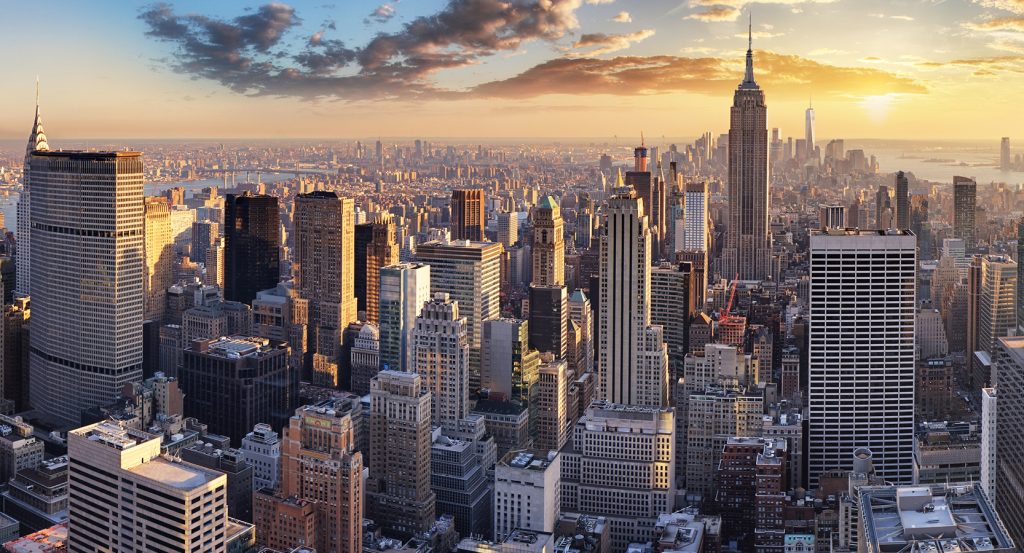
Why Chrystie Street matters.
Chrystie Street is a renowned Lower East Side corridor where immigrant heritage, urban transformation, and cultural diversity converge along one of Manhattan's most distinctive streets.
Running through the Lower East Side between Chinatown and the East Village, this historic north-south thoroughfare connects landmark parks, cultural institutions, neighborhood businesses, public gathering spaces, residential communities, and architectural landmarks that have shaped local life for generations. Historic tenements, thriving storefronts, community landmarks, public spaces, and celebrated streetscapes create an environment defined by resilience and reinvention. The corridor evolved during the nineteenth and twentieth centuries as waves of immigrants transformed the Lower East Side into one of the most densely populated neighborhoods in the world. Jewish, Chinese, Italian, Irish, Puerto Rican, and countless other communities helped establish a neighborhood character rooted in opportunity, entrepreneurship, and cultural exchange. To the south, Chinatown extends naturally from Chrystie Street through a collection of historic streets, cultural landmarks, and community institutions that reinforce the corridor's enduring significance. The result is a street defined by immigration, community life, and enduring neighborhood character.
What defines Chrystie Street.
Chrystie Street is best known for being created through the demolition of one of the Lower East Side's most overcrowded nineteenth-century slum districts, becoming a landmark urban reform project in New York City history.
The street was widened and reconfigured in the early twentieth century as part of a major effort to address unsafe living conditions in one of Manhattan's most densely populated immigrant neighborhoods. Large-scale clearance projects replaced overcrowded tenements with expanded public space, improved infrastructure, and healthier urban conditions. The transformation became one of New York's most significant examples of Progressive Era urban planning and housing reform. Today, Chrystie Street remains a visible reminder of how public policy reshaped the physical landscape of the Lower East Side. Few Manhattan streets maintain such a direct connection to one of the city's most consequential urban reform efforts.
How Chrystie Street fits.
Chrystie Street works as an exploration of immigrant history, cultural diversity, and Lower Manhattan identity.
Begin at Sara D. Roosevelt Park, where the corridor's defining relationship with urban reform, recreation, and community life immediately comes into focus. Continue toward the Museum of Chinese in America, whose exhibits reveal the immigrant experiences and cultural contributions that helped shape the surrounding district across generations. From there, make your way to the Tenement Museum, where one of New York's most important historical institutions provides broader perspective on the family stories, struggles, and aspirations that continue to define the neighborhood today. Along the route, you'll encounter historic tenements, cultural institutions, public parks, architectural landmarks, neighborhood businesses, community gathering spaces, and celebrated streetscapes that showcase the remarkable depth of the district. The progression moves naturally from Sara D. Roosevelt Park to the Museum of Chinese in America to the Tenement Museum, revealing how immigration, urban reform, and community leadership combined to shape one of Manhattan's most historically significant corridors. Chrystie Street remains one of New York's most rewarding thoroughfares, preserving a distinctive balance between historical significance, cultural authenticity, and contemporary urban vitality.
Where your story begins.
Foresyte Travel reveals places that feel extraordinary long before you arrive.
Enjoy editorial crafted for luxury travelers.
Foresyte may earn a commission when you book.







































































































