
Why Cross Street matters.
Cross Street is a lively corridor where North End's maritime heritage, market traditions, immigrant legacy, and enduring neighborhood character converge into one of Boston's most engaging streets.
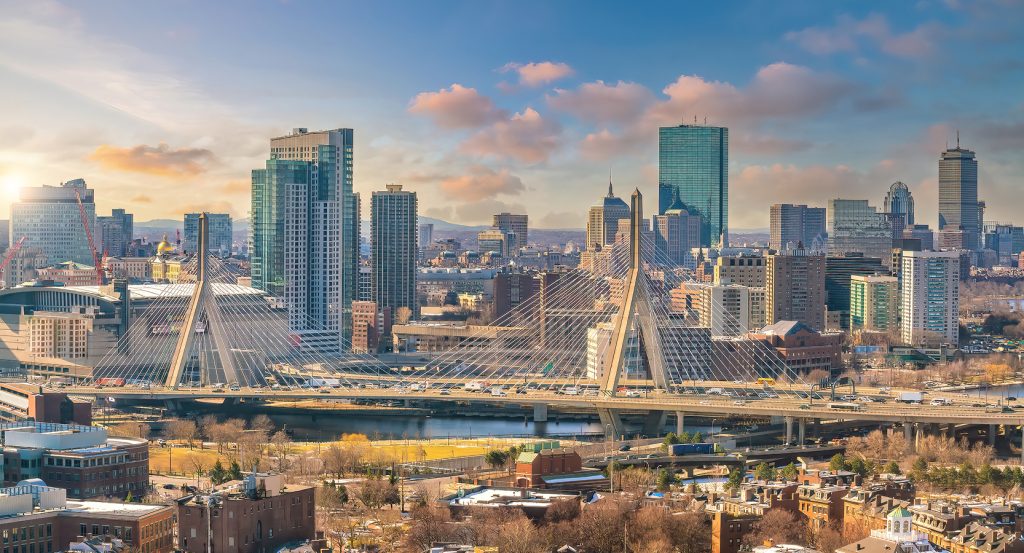
Running through North End between the Waterfront and Downtown, the corridor links Boston's historic public market district with one of the city's oldest residential neighborhoods, where brick rowhouses, neighborhood storefronts, centuries-old street patterns, and thriving sidewalks reveal an urban landscape shaped by continuous commercial activity. Each successive block heightens the experience as granite curbs, Federal-era masonry, family-owned businesses, produce displays, and views toward the harbor reinforce the close relationship between commerce and community that has defined the area for generations. The defining moment arrives as the corridor seamlessly connects Boston's historic marketplace with the intimate streets of the North End, illustrating how trade, immigration, and neighborhood life have long flourished side by side. The result is an experience defined by commercial vitality, historical continuity, and one of North End's most distinctive corridors.
What defines Cross Street.
Cross Street is best known for linking Haymarket with the North End, reflecting the evolution of Boston's colonial marketplace after Faneuil Hall opened in 1742 and commercial activity expanded across the city's northern waterfront. The corridor assumed increasing importance during the nineteenth century as nearby wholesale produce merchants, food distributors, fish dealers, and street vendors established one of New England's most active open-air market districts, while successive waves of Irish, Jewish, and later Italian immigrants reinforced the surrounding neighborhood's commercial character. Buildings along and adjacent to Cross Street display substantial Federal, Greek Revival, Italianate, and early twentieth-century commercial architecture distinguished by brick masonry, granite storefront elements, cast-iron columns, segmental-arched windows, and ornamental cornices that continue expressing the corridor's historic identity. Its enduring relationship with Boston's public food trade, immigrant entrepreneurship, and waterfront commerce has preserved Cross Street as an essential connection between two of the city's oldest urban landscapes. Collectively, the corridor's market traditions, architectural continuity, immigration history, and longstanding commercial activity established Cross Street as one of Boston's defining historic corridors.
Public markets became the defining theme shaping the corridor as the Haymarket Pushcart Association, established in 1974, helped preserve Boston's longstanding open-air produce market by representing independent vendors whose businesses continue giving Cross Street its distinctive rhythm and character. That tradition extends through the Blackstone Block Historic District, where restored granite warehouses, counting houses, and mercantile buildings document the commercial networks that sustained generations of merchants supplying the nearby marketplace long before modern food distribution emerged. Skilled brick masons, granite conservators, ornamental metalworkers, and storefront restoration specialists continue preserving historic façades, loading entrances, cast-iron details, and masonry storefronts that reinforce the corridor's longstanding relationship with Boston's wholesale market heritage. Together, these market institutions, preserved mercantile buildings, and enduring restoration traditions demonstrate how Cross Street continues expressing a commercial character that has remained central to the North End for more than two centuries.
How Cross Street fits.
Cross Street works as a walk through Boston's historic marketplace and waterfront heritage.
Begin at Haymarket, where generations of independent produce vendors establish the commercial energy that naturally continues along Cross Street. Continue to the Rose Kennedy Greenway, where thoughtfully designed gardens, contemporary public art, and open civic space reveal how Boston has reconnected historic neighborhoods once divided by elevated infrastructure. Conclude at Christopher Columbus Waterfront Park, where sweeping harbor views, promenades, and Boston's maritime setting provide the defining historical payoff while placing Cross Street within the city's enduring relationship with the waterfront. The progression moves naturally from the city's oldest public market to renewed civic space before culminating beside the harbor that made Boston's commercial prosperity possible.
Where your story begins.
Foresyte Travel reveals places that feel extraordinary long before you arrive.
Enjoy editorial crafted for luxury travelers.
Foresyte may earn a commission when you book.







































































































