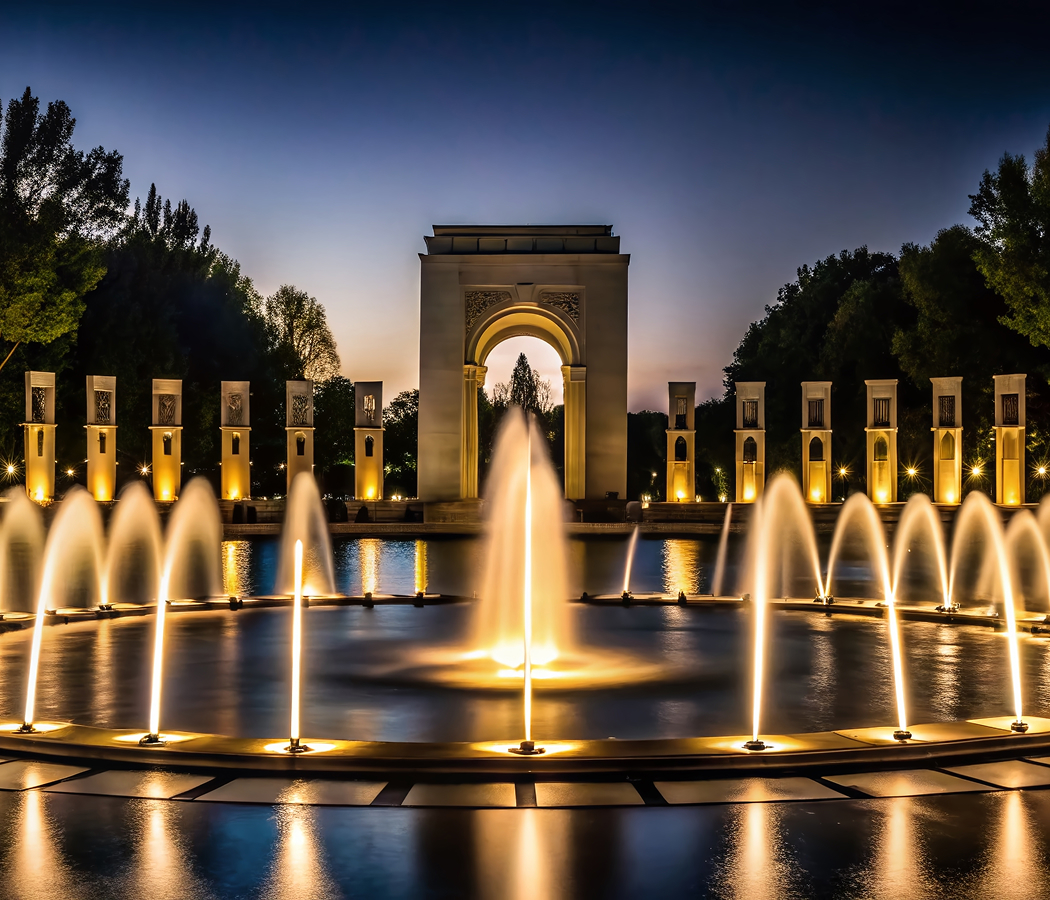
Why Cumberland Street matters.
Cumberland Street is a cultivated corridor where Fort Greene's architectural heritage, cultural legacy, civic ambition, and enduring neighborhood character shape one of Brooklyn's distinguished residential streets.
Running through Fort Greene between Downtown Brooklyn and Clinton Hill, the corridor connects landmark brownstones, historic churches, neighborhood businesses, educational institutions, cultural venues, and tree-lined residential blocks that collectively reflect more than a century and a half of carefully guided urban development. Italianate row houses, Neo-Grec residences, institutional buildings, established storefronts, and preserved streetscapes reveal a corridor shaped by nineteenth-century residential expansion, cultural leadership, rapid transit investment, and sustained historic preservation. Residents, artists, educators, entrepreneurs, preservationists, and community organizations continue reinforcing Cumberland Street's importance while supporting housing, culture, education, and civic life throughout Fort Greene. The result is an experience defined by architectural elegance, cultural continuity, and the enduring character of one of Brooklyn's signature residential avenues.
What defines Cumberland Street.
Cumberland Street is best known for traversing Fort Greene, where the construction of Fort Greene Park, expanding ferry connections, and later rapid transit transformed former Revolutionary War-era farmland into one of Brooklyn's premier residential neighborhoods during the nineteenth century. The corridor takes its name from Prince William, Duke of Cumberland, reflecting the British place-naming traditions that influenced many of Brooklyn's early streets before the borough's rapid urbanization. Residential development accelerated after the opening of the nearby Long Island Rail Road Atlantic Terminal, followed by the expansion of the IND Fulton Street Line and multiple subway connections, encouraging elegant row-house construction, institutional growth, neighborhood commerce, and cultural investment throughout Fort Greene. Today Cumberland Street reflects more than a century and a half of planning that integrates transportation infrastructure, historic architecture, educational institutions, and neighborhood preservation within one of Brooklyn's most historically significant urban corridors.
The corridor's architectural significance is reinforced by the nearby Fort Greene Historic District, designated by the New York City Landmarks Preservation Commission in 1978, preserving one of New York City's finest collections of Italianate, Second Empire, and Neo-Grec row houses. Cultural leadership continues at the Brooklyn Academy of Music, founded in 1861, whose internationally acclaimed programming has established Fort Greene as one of the nation's foremost performing arts destinations. Nearby Fort Greene Park, designed through the collaboration of Frederick Law Olmsted and Calvert Vaux, preserves the Prison Ship Martyrs' Monument while documenting the neighborhood's Revolutionary War origins and longstanding civic identity. Together, these architectural, cultural, and historical landmarks reveal how Cumberland Street has evolved within a district where preservation, artistic excellence, and public investment continue reinforcing one another.
How Cumberland Street fits.
Cumberland Street works as an exploration of Fort Greene's architectural heritage, cultural institutions, and Revolutionary-era history.
Begin at the Brooklyn Academy of Music, where one of America's oldest performing arts institutions introduces the creative energy that has defined Fort Greene for generations while establishing the neighborhood's enduring role as Brooklyn's cultural center. Continue through the Fort Greene Historic District, whose exceptional collection of nineteenth-century row houses deepens the experience by revealing the architectural ambition, preservation ethic, and residential craftsmanship that shaped Cumberland Street's distinctive identity. Conclude at Fort Greene Park, where the Prison Ship Martyrs' Monument, Olmsted and Vaux's landscape design, and sweeping views provide the resonant and historical payoff by connecting the corridor to Brooklyn's Revolutionary past and lasting civic memory. The journey moves naturally from artistic achievement to architectural preservation before culminating in the landscape that gave the neighborhood its identity, revealing how Cumberland Street expresses Fort Greene's remarkable union of culture, history, and enduring urban character.
Where your story begins.
Foresyte Travel reveals places that feel extraordinary long before you arrive.
Enjoy editorial crafted for luxury travelers.
Foresyte may earn a commission when you book.