
Why Flatbush Avenue matters.
Flatbush Avenue is Brooklyn's grand historic boulevard where commerce, culture, transportation, and civic life converge along one of the borough's oldest and most influential thoroughfares.
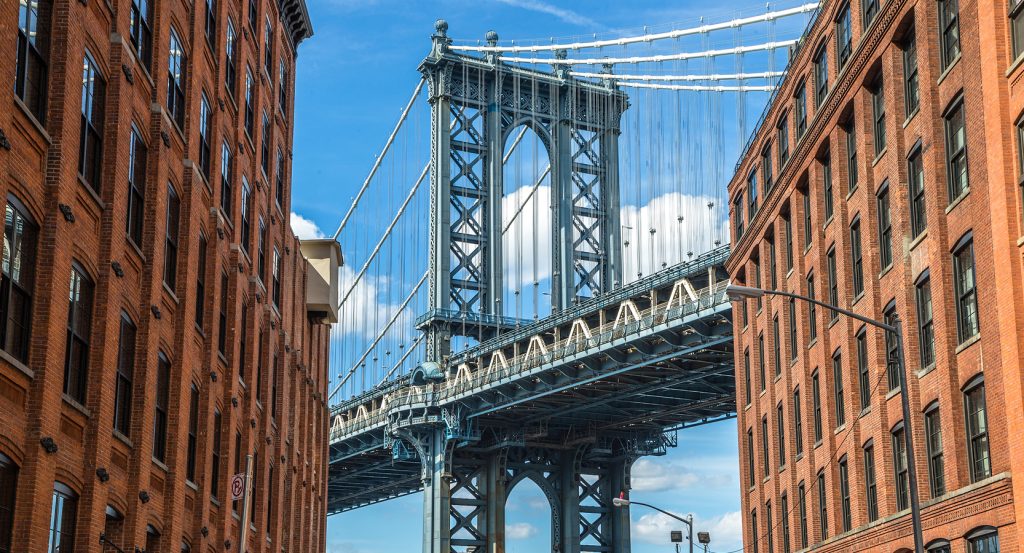
Stretching from the Manhattan Bridge through Downtown Brooklyn, Prospect Heights, Flatbush, Midwood, and Marine Park, this iconic avenue connects world-renowned museums, landmark parks, historic churches, major universities, thriving commercial districts, neighborhood businesses, and architecturally significant civic buildings that collectively showcase Brooklyn's remarkable evolution. Grand Beaux-Arts institutions, elegant prewar buildings, energetic retail corridors, tree-lined residential stretches, and celebrated cultural destinations create an urban landscape where centuries of growth continue to unfold. Originally established as a colonial road linking the City of Brooklyn with the Dutch settlement of Flatbush, the avenue evolved into the borough's principal commercial and transportation spine, shaping generations of development across Brooklyn. The result is a corridor defined by historical significance, metropolitan energy, and enduring civic importance.
What defines Flatbush Avenue.
Flatbush Avenue is best known for being home to Grand Army Plaza, completed in 1892 as Brooklyn's expansive civic gateway designed by Frederick Law Olmsted and Calvert Vaux and crowned by the Soldiers' and Sailors' Memorial Arch.
Conceived as the ceremonial entrance to Prospect Park, the plaza became Brooklyn's premier civic gathering place, where expansive landscape design, military commemoration, and urban planning merged into one of New York City's most recognizable public spaces. The triumphal arch honors Union soldiers and sailors who fought during the American Civil War while anchoring one of the nation's finest examples of Beaux-Arts civic design. Today, Grand Army Plaza remains the symbolic heart of Brooklyn, hosting public celebrations, cultural events, and one of the city's most celebrated greenmarkets while serving as a gateway to many of the borough's defining institutions.
How Flatbush Avenue fits.
Flatbush Avenue works as an exploration of Brooklyn's civic landmarks, cultural institutions, and historic neighborhoods.
Begin at Grand Army Plaza, where Brooklyn's expansive civic gateway immediately establishes the avenue's defining historical legacy. Continue toward the Brooklyn Museum, whose internationally renowned collections reveal why the surrounding district ranks among New York City's premier cultural destinations. From there, make your way to Prospect Park, where Frederick Law Olmsted and Calvert Vaux's celebrated masterpiece provides expansive landscapes, wooded trails, and one of America's greatest urban parks. Along the route, you'll encounter architecturally significant civic buildings, neighborhood cafés, thriving commercial corridors, beautifully preserved historic districts, world-class cultural institutions, and welcoming public spaces that reveal the avenue's exceptional depth. The progression moves naturally from landmark civic plaza to internationally celebrated museum to iconic urban park, demonstrating how Flatbush Avenue connects history, culture, and everyday city life within Brooklyn's most influential thoroughfare. Flatbush Avenue remains one of the borough's most rewarding avenues, preserving a distinctive balance between historical significance, architectural grandeur, and metropolitan vitality.
Where your story begins.
Foresyte Travel reveals places that feel extraordinary long before you arrive.
Enjoy editorial crafted for luxury travelers.
Foresyte may earn a commission when you book.







































































































