
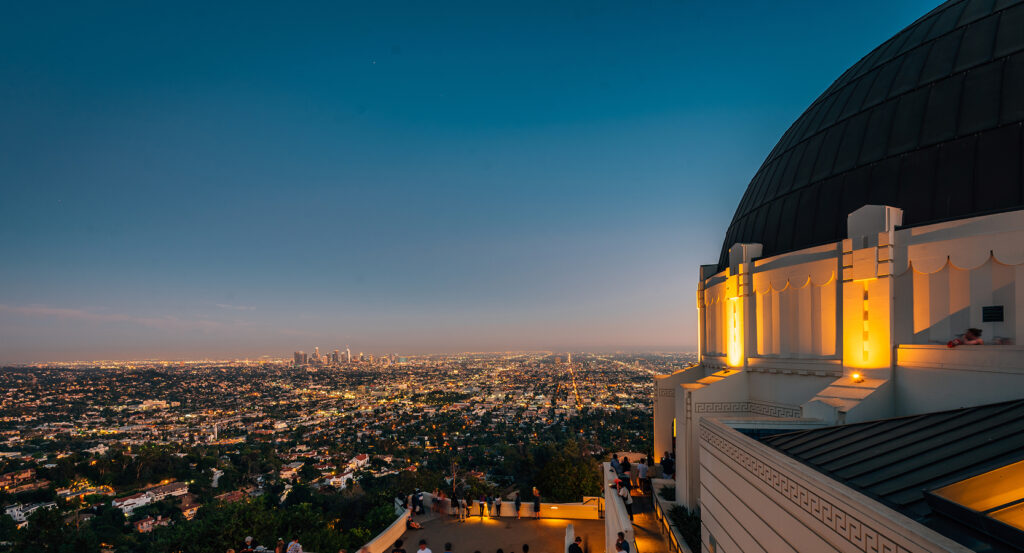
Why Garfield Avenue matters.
Garfield Avenue is a refined corridor where Playhouse Village's cultural institutions, civic landmarks, historic neighborhoods, and commercial activity define one of Pasadena's most significant north-south streets.
Running through Playhouse Village between Bungalow Heaven and Madison Heights, the corridor connects theaters, museums, schools, churches, neighborhood businesses, civic facilities, and established residential districts that collectively reflect Pasadena's emergence as one of Southern California's leading cultural and architectural centers. Mature street trees, preserved early twentieth-century buildings, pedestrian-friendly sidewalks, landscaped streetscapes, and thoughtfully maintained public spaces preserve a corridor shaped by City Beautiful planning, streetcar-era expansion, and sustained municipal investment. City agencies, arts organizations, educational institutions, neighborhood associations, and local businesses continue reinforcing Garfield Avenue's importance while supporting culture, commerce, education, and everyday mobility throughout Central Pasadena. The result is an experience defined by architectural continuity, civic vitality, and the enduring character of Playhouse Village.
What defines Garfield Avenue.
Garfield Avenue is best known for serving as one of Central Pasadena's principal north-south corridors, linking Mountain Street, Washington Boulevard, Colorado Boulevard, Green Street, California Boulevard, and surrounding neighborhood streets while connecting Bungalow Heaven, Playhouse Village, Madison Heights, and the city's Civic Center through a continuous urban corridor. The avenue developed rapidly following the arrival of the Atchison, Topeka and Santa Fe Railway in 1887, expanding during Pasadena's nationally recognized City Beautiful movement as architects including Myron Hunt, Reginald Johnson, Elmer Grey, and Marston & Maybury designed civic, institutional, and residential buildings that established the surrounding districts as some of California's finest examples of early twentieth-century planning. Garfield Avenue provides direct access to the Pasadena Playhouse, the USC Pacific Asia Museum, and the Pasadena Civic Center, reinforcing its longstanding role as a cultural and institutional spine within the city. The City of Pasadena continues coordinating Complete Streets improvements, accessibility upgrades, bicycle infrastructure, traffic-signal modernization, urban forestry initiatives, and roadway rehabilitation because Garfield Avenue functions simultaneously as a cultural corridor, neighborhood connector, civic boulevard, and regional transportation route.
Pasadena Playhouse, completed in 1925 and designated the State Theater of California in 1937, has premiered hundreds of productions while launching the careers of numerous actors, directors, and playwrights associated with American theater. USC Pacific Asia Museum, housed within the 1924 Grace Nicholson Building inspired by traditional Chinese architecture, preserves internationally significant collections representing cultures across Asia and the Pacific while strengthening the corridor's scholarly identity. Pasadena City College, founded in 1924 only a short distance east of Garfield Avenue, has become one of California's largest community colleges while serving tens of thousands of students from throughout the San Gabriel Valley. Pasadena Transit services and nearby Metro A Line stations integrate Garfield Avenue with the broader Los Angeles regional transportation network while supporting convenient access to educational, cultural, and civic destinations.
How Garfield Avenue fits.
Garfield Avenue works as an exploration of Pasadena's performing arts, global collections, and educational heritage.
Begin at Pasadena Playhouse, where distinguished Spanish Colonial Revival architecture and a celebrated performance tradition introduce the artistic legacy that has long defined Garfield Avenue. Continue to USC Pacific Asia Museum, where internationally significant collections and the landmark Grace Nicholson Building reflect the corridor's enduring commitment to cultural scholarship and architectural preservation. Conclude at Pasadena City College, whose historic campus and longstanding educational mission provide a fitting finale reflecting the civic institutions that continue shaping Garfield Avenue today. The progression moves naturally from live performance to global art before concluding with higher education, revealing why Garfield Avenue continues expressing the enduring character of Playhouse Village.
Where your story begins.
Foresyte Travel reveals places that feel extraordinary long before you arrive.
Enjoy editorial crafted for luxury travelers.
Foresyte may earn a commission when you book.





































































































