
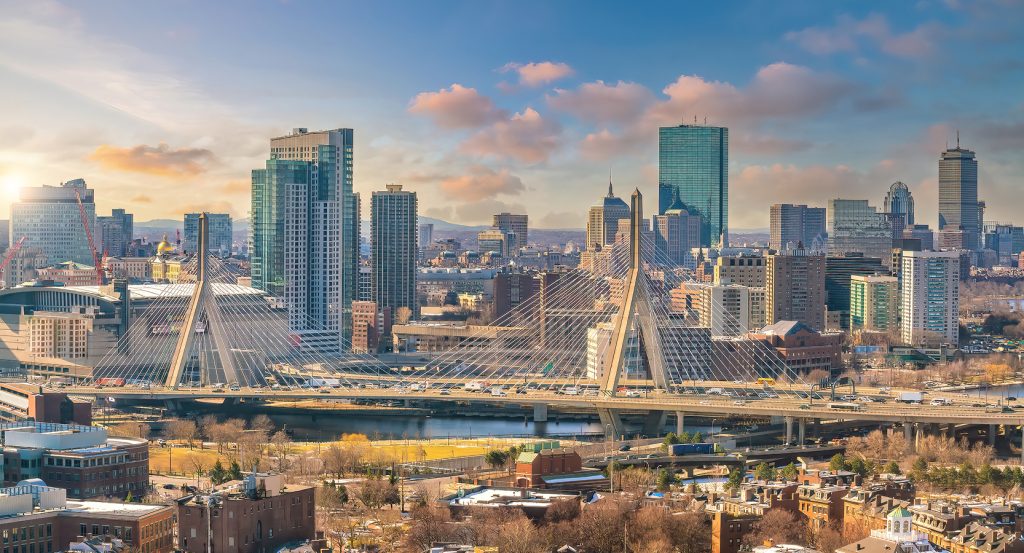
Why Granby Street matters.
Granby Street is a graceful corridor where Fenway-Kenmore's academic energy, cultural sophistication, residential character, and architectural heritage converge into one of Boston's most intimate urban streets.
Running through Fenway-Kenmore between Back Bay and Mission Hill, the corridor weaves through a distinguished residential setting where early twentieth-century apartment buildings, collegiate institutions, shaded sidewalks, and carefully preserved masonry establish a refined neighborhood atmosphere. Each successive block heightens the experience as Classical Revival detailing, ornamental brickwork, mature street trees, and richly textured façades reveal the craftsmanship that accompanied Fenway's emergence as one of Boston's premier residential districts. The defining moment arrives when the corridor's quiet streetscape contrasts with the surrounding concentration of museums, universities, and civic institutions, revealing an urban environment where architectural elegance and intellectual life have long developed together. The result is an experience defined by enduring craftsmanship, cultural richness, and one of Fenway-Kenmore's most distinctive corridors.
What defines Granby Street.
Granby Street is best known for developing during the planned expansion of The Fenway, part of Frederick Law Olmsted's Emerald Necklace, whose park system was conceived beginning in 1878 to connect Boston through a continuous sequence of landscaped public spaces. Residential construction accelerated between the 1890s and the 1920s as former Back Bay marshland gave way to substantial Classical Revival, Georgian Revival, Beaux-Arts, and Colonial Revival apartment houses distinguished by red brick masonry, limestone trim, projecting bays, decorative cornices, copper detailing, and formal entrance porticos. The neighborhood matured alongside the emergence of major cultural and medical institutions, while the extension of Boston's electric street railway network strengthened Granby Street's accessibility within one of the city's most carefully planned residential quarters. Thoughtfully coordinated building setbacks, landscaped streets, and durable masonry construction established a cohesive architectural character that continues defining the corridor more than a century after its principal era of development. Collectively, Olmsted's landscape vision, Fenway's residential planning, distinguished revival architecture, transportation improvements, and institutional growth established Granby Street as one of the neighborhood's defining historic corridors.
Architectural stewardship became the defining force sustaining the corridor as the Fenway Alliance, established in 1979, united cultural organizations, neighborhood institutions, and community partners to promote preservation, public programming, and long-term investment throughout the surrounding district. That collaborative tradition is reinforced by the Massachusetts Historical Commission, whose inventory of Fenway's early twentieth-century residential architecture documents the corridor's substantial collection of apartment buildings exhibiting exceptional masonry craftsmanship, ornamental terra cotta, carved limestone, and original architectural detailing. Skilled brick masons, stone conservators, ornamental metalworkers, and restoration specialists continue preserving historic façades, copper cornices, decorative entry surrounds, and handcrafted window surrounds that distinguish Granby Street from later twentieth-century development. Together, these preservation initiatives, documented architectural resources, and enduring artisan traditions demonstrate how Granby Street continues expressing the design quality and residential character envisioned during Fenway's formative decades.
How Granby Street fits.
Granby Street works as an architectural walk through Fenway-Kenmore's cultural landscape.
Begin at The Fens, where Frederick Law Olmsted's winding waterways, bridges, and carefully composed landscapes establish the planning philosophy that shaped the surrounding neighborhood before naturally leading toward Granby Street. Continue to Isabella Stewart Gardner Museum, where intimate galleries, Venetian-inspired architecture, and an extraordinary courtyard deepen appreciation for the artistic ambitions that distinguish Fenway from Boston's other residential districts. Conclude at the Museum of Fine Arts, Boston, where one of the nation's foremost art collections provides the defining cultural payoff while reinforcing the remarkable relationship between Granby Street's residential elegance and Fenway's world-renowned institutional landscape. The progression moves naturally from visionary landscape design to personal artistic patronage before culminating in one of America's great encyclopedic museums, revealing why Granby Street occupies such a distinctive place within Fenway-Kenmore.
Where your story begins.
Foresyte Travel reveals places that feel extraordinary long before you arrive.
Enjoy editorial crafted for luxury travelers.
Foresyte may earn a commission when you book.







































































































