Why you should experience Harbor Court Hotel in San Francisco, California.
Harbor Court Hotel is a steadfast waterfront hotel where Embarcadero's maritime history, military inheritance, architectural endurance and century of urban reinvention converge within a former Army-Navy YMCA.
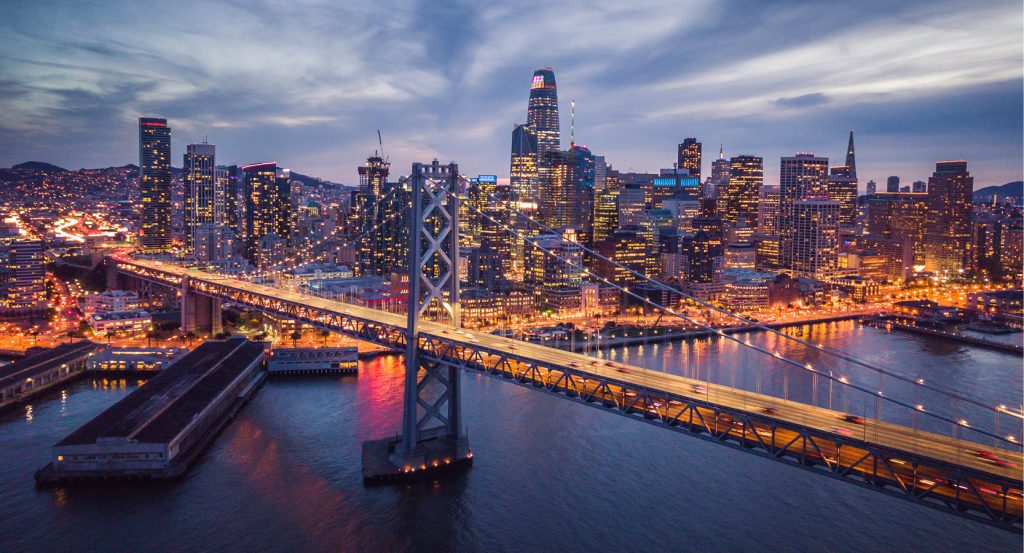
Set along Steuart Street near Howard Street and just steps from Rincon Park, the eight-story Spanish Colonial Revival building opened in 1926 as the Young Men's Christian Association's Army-Navy YMCA, providing housing for soldiers and sailors passing through a waterfront then dominated by commercial shipping and military movement. The building's red-brick exterior survived the dramatic physical changes that followed construction of the San Francisco-Oakland Bay Bridge, wartime demobilization and the mid-century rise of the Embarcadero Freeway, whose elevated structure eventually obscured much of the surrounding waterfront. The 1989 Loma Prieta earthquake damaged that freeway, and its subsequent removal reopened the building toward San Francisco Bay while new owners and Kimpton Hotels & Restaurants converted the former military residence into boutique lodging. Harbor Court consequently carries the Army-Navy YMCA and Kimpton eras within a surviving 1920s structure whose changing relationship with the Bay mirrors nearly a century of Embarcadero history.
What you should know about Harbor Court Hotel.
Harbor Court Hotel is best known for occupying a 1926 Spanish Colonial Revival building created as the Army-Navy YMCA before a 1989 acquisition initiated its conversion into a boutique hotel, Pebblebrook Hotel Trust assumed full ownership control in 2015, a multimillion-dollar reconstruction began in 2018 and Historic Hotels of America inducted the property into the National Trust for Historic Preservation program in 2025. The contemporary hotel contains 131 guestrooms within the original eight-story structure, preserving the red-brick exterior and maritime-derived architectural character while panoramic Bay views became increasingly central to the property after removal of the elevated Embarcadero Freeway. Historic Hotels of America places the building's lifespan across the construction of the Bay Bridge and Alcatraz Prison during the 1930s and the waterfront pier revitalization of the early twenty-first century, connecting its physical survival with successive eras of San Francisco Bay development. The 2025 Historic Hotels of America designation placed Harbor Court among more than 300 recognized American properties selected for maintaining historic integrity, architecture and atmosphere, with Lawrence Horwitz specifically crediting the hotel's ownership and Springboard Hospitality leadership for stewardship of the 1926 building.
Jeremy Umland developed another defining strand of Harbor Court's character through Ozumo after studying at Seinan Gakuin University in Japan beginning in 1979, later earning an MBA from Thunderbird Graduate School and working for Morgan Stanley in Japan before developing his Japanese restaurant concept after moving to San Francisco in 1998. Umland launched Ozumo inside the Harbor Court building with an approach combining sushi and robata cooking, while Japanese design firm Super Potato created an interior that remains integral to the restaurant's visual identity. Ozumo subsequently developed one of North America's largest sake selections and became one of a small number of restaurants in the United States certified by the Official Kobe Beef Association to serve certified Kobe beef. Jeremy Umland, Super Potato, Ozumo and the Official Kobe Beef Association extend Harbor Court's waterfront story into Japanese culinary culture through a restaurant whose founder, design authorship, sake program and Kobe certification remain intrinsically connected to the property.
How to fold Harbor Court Hotel into your trip.
Harbor Court Hotel works as the anchor for an afternoon tracing maritime commerce, engineering ambition and the reinvention of San Francisco's eastern waterfront.
Begin at Ferry Building, completed in 1898 to architect A. Page Brown's design with a 245-foot clock tower modeled after the Giralda in Seville, creating the grand gateway through which ferry passengers entered San Francisco before the Bay and Golden Gate bridges reshaped regional transportation. Continue to Rincon Park, where Claes Oldenburg and Coosje van Bruggen installed the grand Cupid's Span in 2002, a 60-foot bow-and-arrow sculpture commissioned by Gap founders Donald and Doris Fisher as the waterfront was entering another major era of public-space redevelopment. Conclude at Pier 24 Photography, where the Pilara Foundation transformed a waterfront warehouse beneath the Bay Bridge into an 28,000-square-foot photography institution that opened in 2010 around the collection assembled by Andrew and Mary Pilara. The progression moves from Brown's nineteenth-century transportation gateway through Oldenburg and van Bruggen's grand public art into the Pilara Foundation's photographic collection, revealing successive layers of commerce, infrastructure and cultural reinvention surrounding Harbor Court Hotel.
Where your story begins.
Foresyte Travel reveals places that feel extraordinary long before you arrive.
Experience premium editorial crafted for luxury travelers.