
Why you should experience Hooper Street in New York, NY.
Hooper Street is a historic North Brooklyn corridor where industrial heritage, immigrant traditions, and neighborhood creativity converge along one of Williamsburg's enduring residential streets.
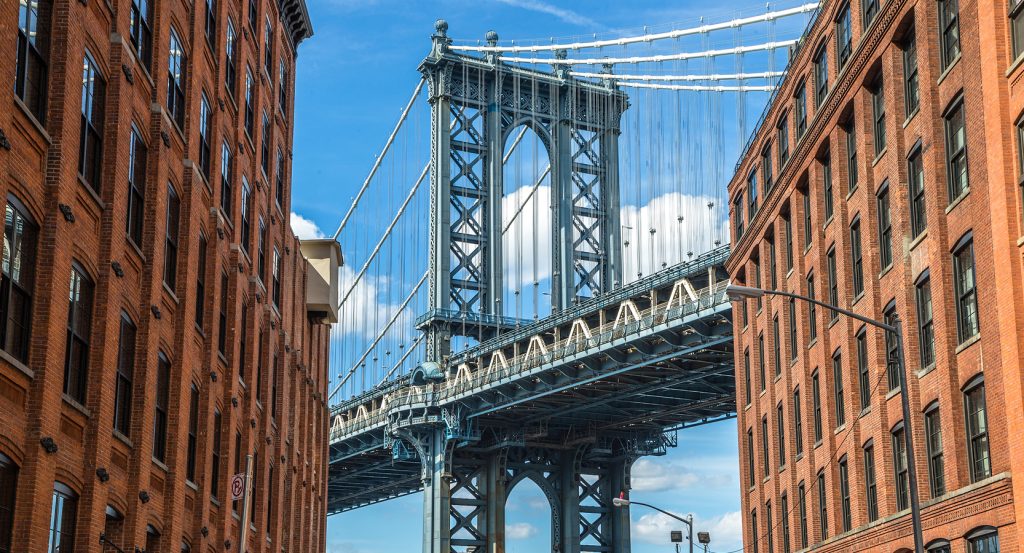
Running through Williamsburg between South Williamsburg and East Williamsburg, this historic corridor connects converted factory buildings, neighborhood businesses, historic residential blocks, community institutions, artist workspaces, and thriving commercial corridors that collectively reflect Brooklyn's remarkable urban evolution. Brick warehouses, classic rowhouses, adaptive reuse lofts, family-owned storefronts, and architecturally significant industrial buildings create a streetscape where generations of manufacturing and entrepreneurship continue to shape the neighborhood's identity. Hooper Street developed alongside Williamsburg's nineteenth-century industrial expansion, supporting breweries, sugar refineries, rope works, and textile factories that attracted successive waves of immigrant communities whose influence remains visible throughout the neighborhood today. The result is a corridor defined by industrial legacy, cultural diversity, and neighborhood authenticity.
What you should know about Hooper Street.
Hooper Street is best known for being home to The City Reliquary, New York City's only community museum dedicated exclusively to everyday New York City history and culture.
Founded in Williamsburg in 2002, the museum celebrates the overlooked artifacts, neighborhood stories, and everyday objects that collectively define the city's cultural identity. Its eclectic collection ranges from historic subway memorabilia and vintage signs to local ephemera and community archives, offering visitors an unusually intimate perspective on New York beyond its most famous landmarks. By preserving ordinary pieces of city life, the museum has become an important cultural institution that reflects Williamsburg's longstanding commitment to neighborhood history, civic engagement, and independent creativity.
How to fold Hooper Street into your trip.
Hooper Street works as an exploration of Williamsburg's industrial heritage, neighborhood culture, and creative spirit.
Begin at The City Reliquary, where thoughtfully curated exhibits immediately establish the street's defining relationship with New York City's everyday history. Continue toward Domino Park, whose preserved refinery structures and spectacular East River views reveal Williamsburg's industrial legacy. From there, make your way to McCarren Park, where expansive green spaces, athletic facilities, and lively community gathering areas provide broader perspective on the neighborhood's enduring civic life. Along the route, you'll encounter converted warehouses, neighborhood cafés, architecturally significant industrial buildings, independent boutiques, energetic residential streets, and welcoming public spaces that reveal the corridor's exceptional depth. The progression moves naturally from neighborhood museum to iconic waterfront park to beloved community green space, demonstrating how Hooper Street connects local history, industrial innovation, and contemporary creativity within one of Brooklyn's most dynamic neighborhoods. Hooper Street remains one of the borough's most rewarding streets, preserving a distinctive balance between historical significance, neighborhood character, and cultural vitality.
Where your story begins.
Foresyte Travel reveals places that feel extraordinary long before you arrive.
Experience premium editorial crafted for luxury travelers.







































































































