Why you should experience the Tea Garden at Portland Japanese Garden in Portland, Oregon.
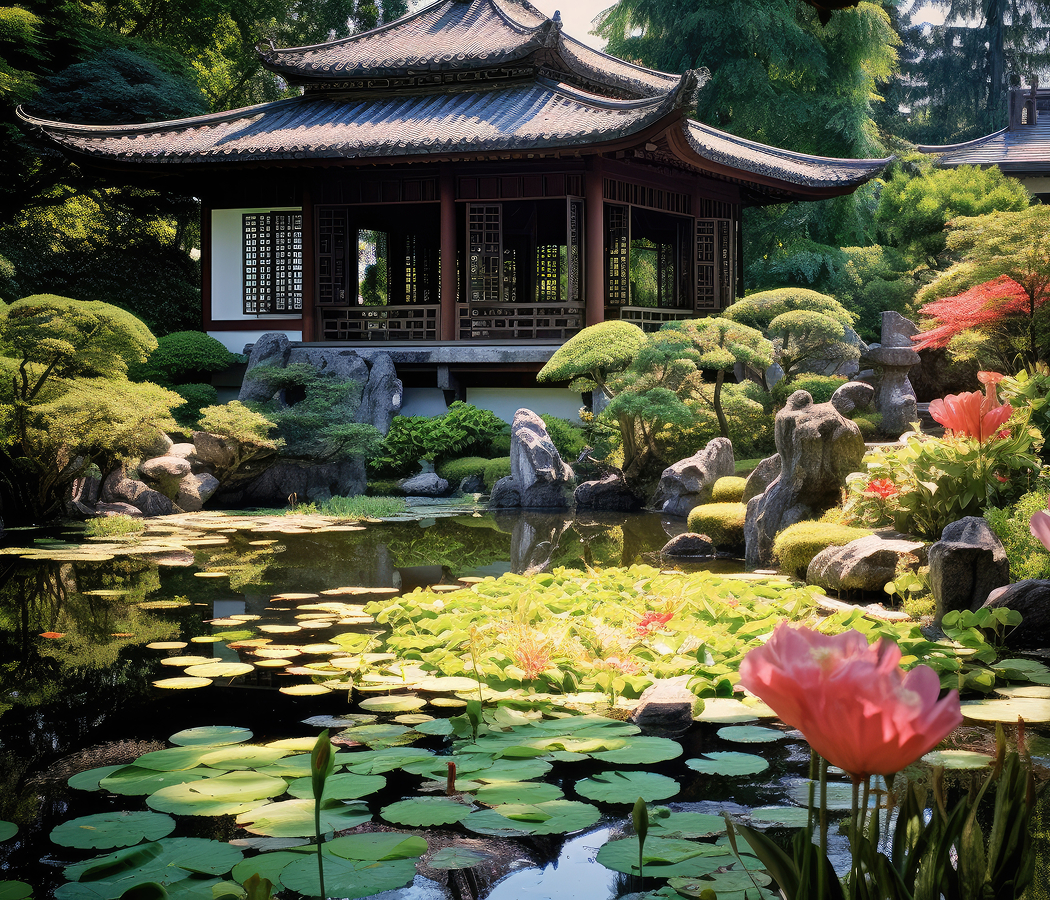
The Tea Garden at the Japanese Garden in Portland is the quiet heart of the entire landscape, a place where movement becomes meditation and every step prepares the soul for stillness.
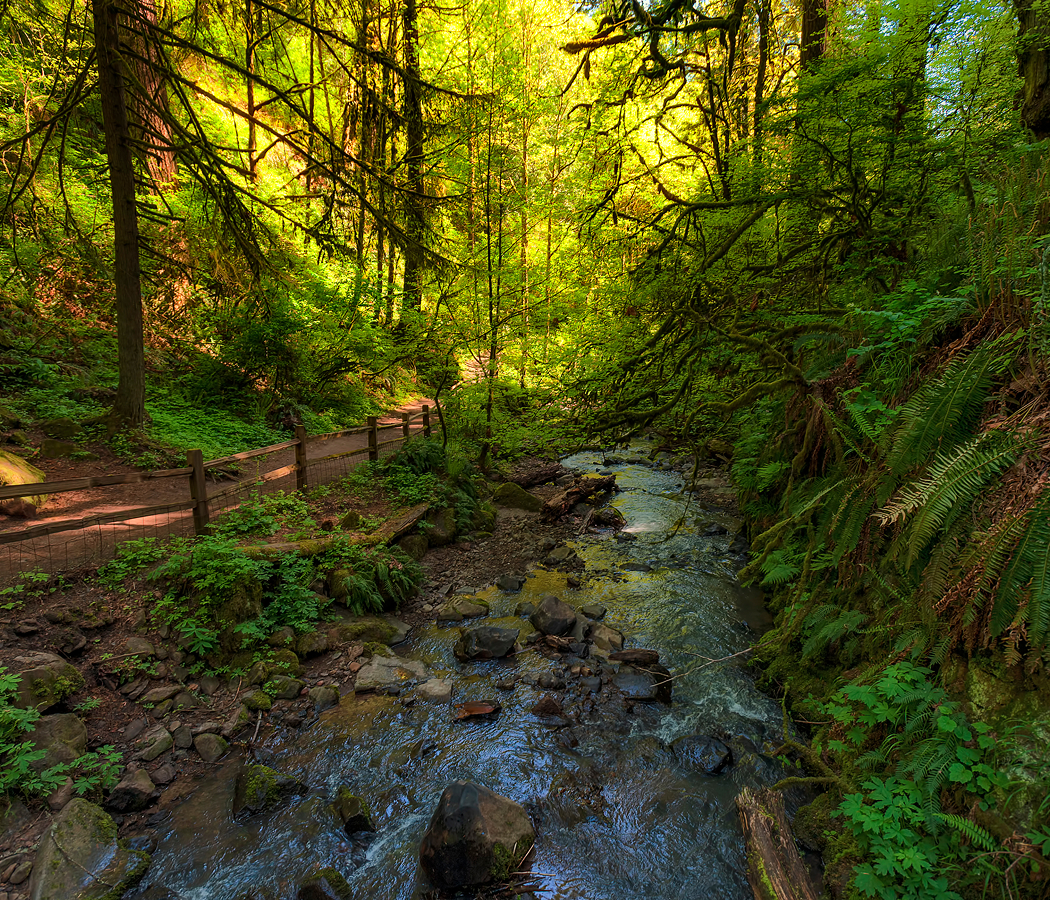
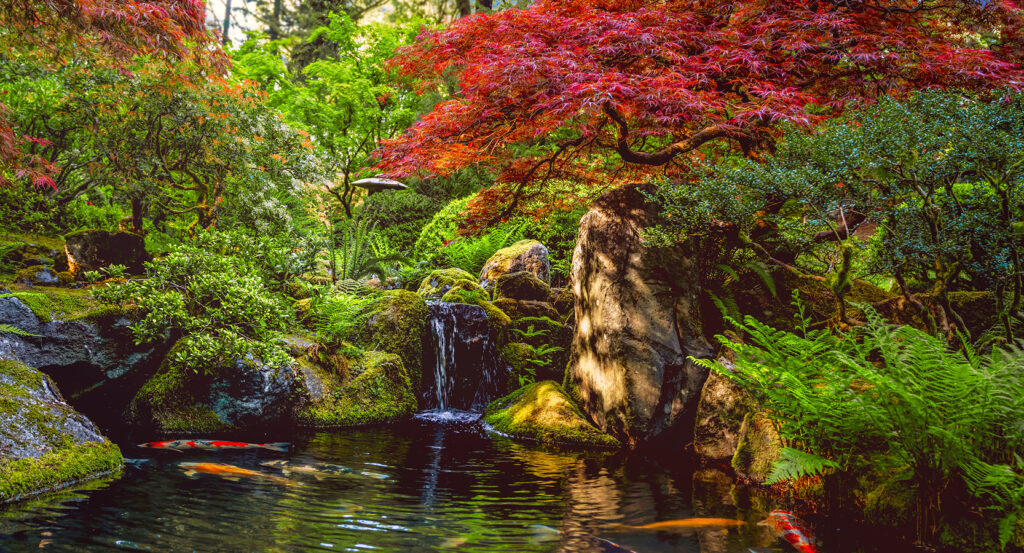
Conceived in the centuries-old tradition of the Japanese roji (“dewy path”), the garden leads you gently from the outside world into one of ritual, reflection, and respect. The path winds through mossy stones, shaded by maples and bamboo, their leaves trembling softly in the breeze. Lanterns mark transitions like whispered pauses, while water trickles from stone basins, an invitation to purify the hands and mind before entering the teahouse. Here, the scent of cedar mingles with the dampness of moss and earth, and the hush of the air itself feels sacred. In this garden, silence isn't empty, it's alive, waiting.
What you should know about the Tea Garden.
The Tea Garden was designed in 1963 by Professor Takuma Tono as one of the foundational elements of the Japanese Garden in Portland, modeled after the chaniwa gardens of Kyoto.
Its layout follows the roji concept, a two-part journey symbolizing the shift from the everyday to the spiritual. The outer garden is intentionally rustic, its stone paths uneven to encourage mindful walking; the inner garden, enclosed and serene, centers on the Teahouse, or Kissa-tei, constructed using traditional Japanese joinery. The teahouse itself is a masterpiece of restraint, tatami mats, sliding shoji screens, and an alcove (tokonoma) displaying a single seasonal scroll or flower. Every detail is deliberate: the stone basin (tsukubai) set low to require a bow, the bamboo water spout whose gentle rhythm echoes the passage of time, the lanterns positioned to guide light. The tea ceremonies held here follow the art of chanoyu, a practice that merges philosophy, etiquette, and mindfulness into a single act. Few realize that the teahouse was reconstructed in 1968 with direct guidance from Japanese craftsmen to ensure authenticity, making it among the most accurate ceremonial spaces outside Japan. Even the surrounding moss was cultivated over decades, symbolizing the slow beauty of impermanence (wabi-sabi).
How to fold the Tea Garden into your trip.
The Tea Garden is meant to be experienced, not observed, a walk into stillness.
After entering the Japanese Garden through the Cultural Village, follow the stone paths that lead downward and east toward the teahouse clearing. Allow 20-40 minutes for the full journey, moving slowly and deliberately; each step, sound, and sight is part of the ritual. Visit in the morning when the air is cool and dew clings to the moss, or late afternoon when light filters through the canopy in long, golden shafts. If available, attend a traditional tea ceremony, which lasts about 45 minutes and offers an immersive glimpse into the philosophy behind every gesture, grace in simplicity, beauty in imperfection. Photography is best kept minimal here; instead, observe the way water flows, how wind stirs the leaves, how silence fills the space. Combine this visit with the nearby Sand and Stone Garden or Strolling Pond Garden, letting their contrast deepen your understanding of stillness and movement. When you finally leave, you'll realize that the Tea Garden doesn't stay behind, it follows you, quietly reshaping the pace of your thoughts long after you've stepped back into the world.
Where your story begins.
Foresyte Travel reveals places that feel extraordinary long before you arrive.
Experience premium editorial crafted for luxury travelers.