
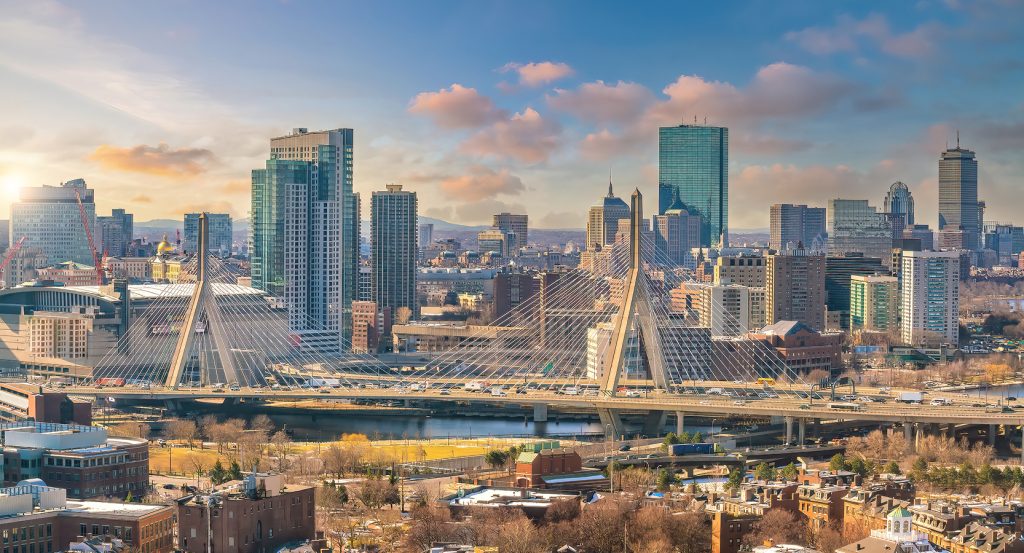
Why you should experience Kilmarnock Street in Boston, Massachusetts.
Kilmarnock Street is a cultivated corridor where Fenway-Kenmore's cultural energy, academic legacy, residential character, and architectural refinement create one of Boston's most engaging urban streets.
Running through Fenway-Kenmore between Back Bay and Mission Hill, the corridor follows a walkable neighborhood alignment linking historic apartment buildings, cultural institutions, leafy streetscapes, and carefully scaled brick architecture that reflects the district's evolution during Boston's great era of urban expansion. Each successive block heightens the experience as Beaux-Arts façades, mature tree canopies, decorative masonry, intimate side streets, and increasingly energetic public spaces reveal the craftsmanship and civic ambition that transformed the Fenway into one of Boston's most distinctive neighborhoods. The defining moment arrives as the corridor's architectural harmony, cultural institutions, and thoughtfully planned streetscape reveal how landscape, education, and city building converge within one of Boston's most admired urban environments. The result is an experience defined by architectural elegance, cultural richness, and one of Fenway-Kenmore's most distinctive corridors.
What you should know about Kilmarnock Street.
Kilmarnock Street is best known for developing alongside the Emerald Necklace, where Frederick Law Olmsted's comprehensive park system guided the transformation of former Back Bay marshlands into one of Boston's most carefully planned residential districts during the late nineteenth century. Residential construction accelerated between the 1890s and the 1920s, introducing substantial Beaux-Arts, Classical Revival, Georgian Revival, and Colonial Revival apartment buildings distinguished by red brick masonry, limestone trim, decorative cornices, bay windows, ornamental entrances, and finely proportioned façades. Expansion of nearby educational, cultural, and medical institutions strengthened demand for high-quality residential development while reinforcing Kilmarnock Street's position within the rapidly growing Fenway neighborhood. Broad sidewalks, consistent building setbacks, mature street trees, and carefully composed streetscapes continue expressing the planning principles that defined the district's original development. Collectively, Olmsted's landscape vision, disciplined urban planning, distinguished residential architecture, and institutional growth established Kilmarnock Street as one of Fenway-Kenmore's defining historic corridors.
Residential craftsmanship became the defining thread shaping the corridor as the Fenway Studios, completed in 1905 by architect Parker & Thomas, established Boston's first purpose-built cooperative artists' studio building, reinforcing the neighborhood's longstanding association with creative life and architectural innovation. Skilled bricklayers, limestone carvers, ornamental metalworkers, and stained-glass artisans strengthened that character by producing richly detailed entryways, decorative iron balconies, carved stone surrounds, and handcrafted architectural ornament that continues distinguishing buildings lining Kilmarnock Street today. Stewardship by the Fenway Alliance has reinforced appreciation for the neighborhood's architectural character through cultural programming, preservation advocacy, and collaboration among the area's major institutions while respecting the corridor's historic residential identity. Together, these artistic traditions, enduring craftsmanship, and preservation efforts demonstrate how Kilmarnock Street evolved into a corridor where architecture, culture, and neighborhood character continue reinforcing one another across successive generations.
How to fold Kilmarnock Street into your trip.
Kilmarnock Street works as an exploration of Fenway's artistic heritage, landscape design, and cultural identity.
Begin at The Fens, where Frederick Law Olmsted's landscape introduces the environmental vision that shaped the surrounding neighborhood before naturally leading toward Kilmarnock Street's distinguished residential blocks. Continue to Isabella Stewart Gardner Museum, where world-class collections and an intimate Venetian-inspired courtyard deepen appreciation for the artistic culture that has long defined the Fenway district. Conclude at Museum of Fine Arts, Boston, where one of the nation's premier art museums provides the experiential payoff by revealing the extraordinary cultural foundation that elevates Kilmarnock Street far beyond a residential corridor. The progression moves naturally from visionary landscape design to intimate artistic discovery before culminating with one of America's great museum collections, revealing why Kilmarnock Street occupies the heart of Boston's cultural district.
Where your story begins.
Foresyte Travel reveals places that feel extraordinary long before you arrive.
Experience premium editorial crafted for luxury travelers.







































































































