
Why Kampa Island matters.
Kampa Island is where Prague exhales, a quiet dream of water, willows, and cobblestone calm just beneath the city's restless pulse.
Cradled by the Vltava and crossed by the arching span of the Charles Bridge, the island feels suspended between worlds: one of reflection and one of rhythm. Its riverside paths shimmer with light, echoing with the soft churn of the river and the distant hum of passing trams. Locals come here to read, lovers to linger, artists to paint the bridge's reflection where history dissolves into current. There's a serenity to Kampa that defies its proximity to Old Town's noise, a feeling that time slows down simply because it can. On a clear day, it feels like Prague is holding its breath.
What defines Kampa Island.
For centuries, Kampa was shaped by both nature and necessity, an accidental creation turned cultural jewel.
Formed by the artificial Čertovka Canal in the Middle Ages, the island began as farmland, its fertile soil nourished by the river's seasonal floods. Mill wheels once turned steadily along the canal, powering the city's grain trade and giving rise to the name Na Kampě, meaning “on the field.” By the 17th century, Kampa had transformed into a quiet residential enclave for nobles and merchants seeking respite from the bustle across the river. In the 19th and 20th centuries, it became a refuge for artists, poets, and dreamers, a small world within Prague that mirrored the city's creative soul. During communist rule, the island's courtyards became secret gathering points for dissenting voices, their songs and sketches blending into the sound of water below. Today, Kampa is home to the Museum Kampa, a modern art space housed in a restored mill that holds one of Central Europe's most remarkable private collections. Few visitors realize that the island's flood history is carved into its architecture: plaques mark past waterlines, reminders that even beauty here has learned to endure. Kampa's past is fluid, sometimes submerged, sometimes radiant, but always alive.
How Kampa Island fits.
Begin your visit in the early morning, when mist still lingers over the Vltava and the bridges seem to hover in silence.
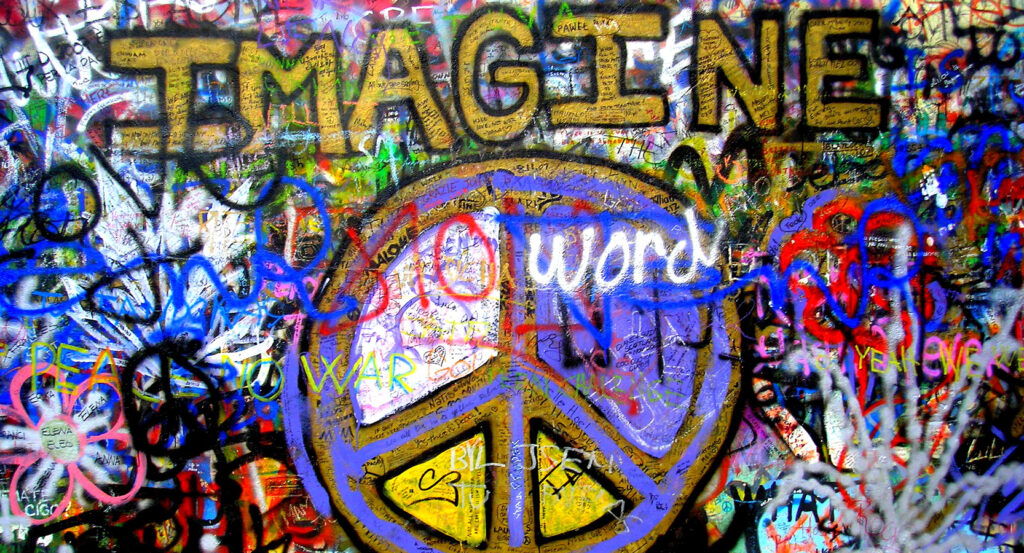
Walk south from the Lennon Wall and cross the small bridge to Kampa's northern edge, it feels like stepping through a secret doorway into stillness. Follow the cobbled path along the canal, where the mill wheel at the Grand Priory Mill still creaks softly against the current. Stop by the Museum Kampa for a glimpse of modern Czech and European art, and take a moment in its sculpture garden, where contemporary pieces stand against the medieval skyline, Prague's past and future in one frame. Wander toward the open lawns of Kampa Park, where the view across the river captures Prague Castle mirrored in the water. Sit on a bench and watch boats drift by, or join locals picnicking beneath the chestnut trees. At sunset, stay for the reflection, the sky turns copper, the river glows, and the city's spires seem to float. Kampa Island isn't about what you see; it's about what you feel, the rare peace that comes from standing still while the world moves beautifully around you.
Where your story begins.
Foresyte Travel reveals places that feel extraordinary long before you arrive.
Enjoy editorial crafted for luxury travelers.
Foresyte may earn a commission when you book.





































































































