Why Magnolia matters.
Magnolia is a scenic Seattle neighborhood where dramatic coastal landscapes, maritime heritage, and residential elegance converge across one of the city's most striking peninsulas.
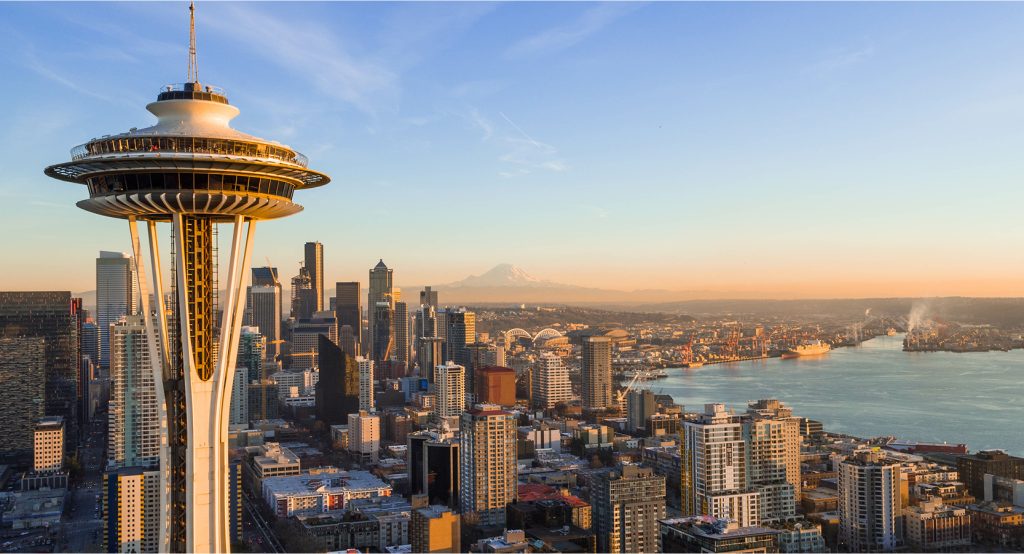
Positioned between Interbay, Elliott Bay, and Puget Sound, this distinctive neighborhood feels wonderfully removed from the pace of downtown despite lying only minutes from the city's commercial core. Winding residential streets crest forested bluffs overlooking busy shipping lanes, sailboats glide across Elliott Bay beneath snow-capped mountain horizons, and expansive parks preserve landscapes that have changed remarkably little since Seattle's earliest years. Long celebrated for its commanding views, quiet neighborhoods, and strong community identity, Magnolia offers an experience where nature remains inseparable from everyday urban life. Whether watching container ships enter one of North America's busiest ports or walking beneath towering conifers toward secluded beaches, visitors quickly discover why Magnolia has remained one of Seattle's most treasured residential enclaves for generations. The result is a neighborhood defined by extraordinary scenery, maritime character, and enduring natural beauty.
What defines Magnolia.
Magnolia is best known for encompassing Discovery Park, where the 534-acre former Fort Lawton became the largest park in Seattle after one of the nation's most significant military-to-public-land transfers, preserving hundreds of acres of old-growth forest, sea cliffs, beaches, dunes, meadows, and wildlife habitat while protecting one of the last extensive remnants of the natural landscape that greeted the first European settlers arriving in Elliott Bay.
Established as a military installation in 1898, Fort Lawton served for decades before being declared surplus federal property, opening the door to an extraordinary conservation victory that permanently protected one of Seattle's greatest natural treasures from urban development. Today the park supports hundreds of plant and animal species while offering more than 12 miles of trails across ecosystems rarely found within a major American city. Its dramatic bluffs, historic lighthouse, active bald eagle population, and panoramic views stretching from Mount Rainier to the Olympic Mountains make Discovery Park not only the ecological heart of Seattle but also one of the finest examples of large-scale urban conservation in the United States.
How Magnolia fits.
Magnolia works as an exploration of Seattle's coastal landscapes, maritime history, and striking public parks.
Begin in the morning at Discovery Park, where forested trails, dramatic sea cliffs, and panoramic Puget Sound views immediately establish the neighborhood's extraordinary natural character. Continue toward West Point Lighthouse, whose historic beacon and sweeping coastal scenery provide a deeper appreciation of Seattle's maritime heritage before enjoying lunch overlooking Elliott Bay. From there, make your way to Elliott Bay Marina, where hundreds of sailboats, working vessels, and expansive waterfront promenades provide a memorable conclusion while celebrating Magnolia's enduring relationship with the sea. Along the route, quiet residential streets, public viewpoints, neighborhood cafés, coastal forests, and breathtaking overlooks demonstrate how Magnolia seamlessly connects one of America's great urban wilderness parks with one of the Pacific Northwest's most beautiful waterfront neighborhoods. The progression moves naturally from Seattle's largest park to its historic lighthouse to a world-class marina, revealing why Magnolia remains one of the city's most rewarding places to explore.
Where your story begins.
Foresyte Travel reveals places that feel extraordinary long before you arrive.
Enjoy editorial crafted for luxury travelers.
Foresyte may earn a commission when you book.