Why Market Street matters.
Market Street is an iconic Financial District corridor where civic ambition, transportation innovation, and architectural grandeur converge along one of America's most influential urban boulevards.
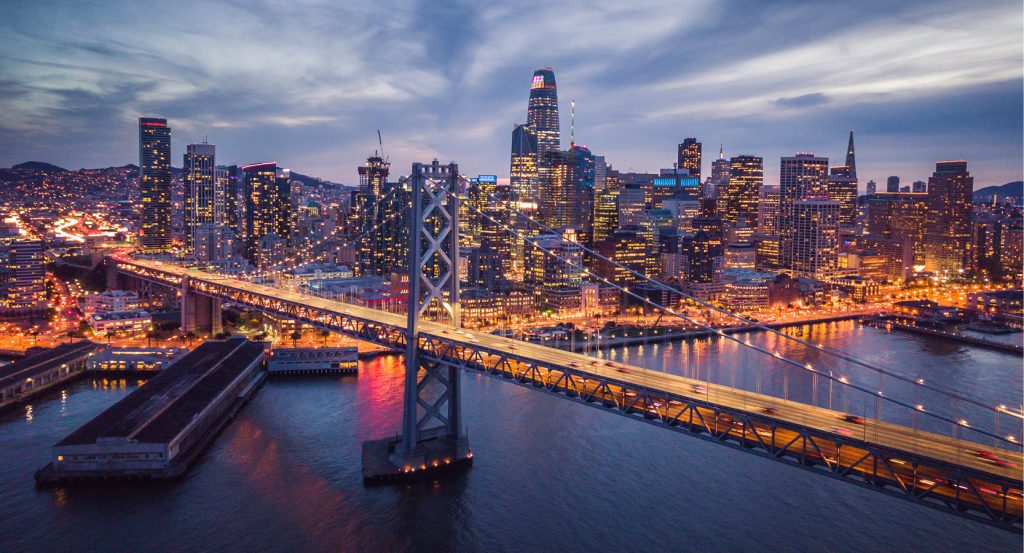
Running through Financial District between Embarcadero and Castro, this grand corridor connects landmark civic buildings, celebrated theaters, historic cable cars, world-renowned museums, energetic public plazas, and distinguished commercial districts that have shaped San Francisco's evolution for more than a century. Grand Beaux-Arts architecture, modern skyscrapers, thriving transit corridors, and expansive pedestrian spaces create a streetscape where every era of the city's history remains visible within a single avenue. Conceived as San Francisco's principal civic spine, Market Street continues defining the city's character through its extraordinary scale, energy, and historical significance. The result is a street defined by architectural excellence, transportation leadership, and enduring metropolitan importance.
What defines Market Street.
Market Street is best known for becoming the world's first boulevard where cable cars, electric streetcars, trolleybuses, motor buses, automobiles, bicycles, and historic streetcars have all operated along the same corridor, creating an unparalleled continuous transportation laboratory that has influenced urban transit planning for more than 150 years while serving as the backbone of San Francisco's mobility network.
Generations of engineers, planners, and civic leaders transformed the boulevard into an internationally recognized showcase for evolving transportation technologies without sacrificing its role as the city's primary civic gathering space. Historic cable cars continue climbing Nob Hill while modern light rail, heritage streetcars, buses, cyclists, and pedestrians share one of the world's most intensively multimodal streets. Market Street remains an enduring demonstration of how transportation innovation can continually adapt to changing urban needs while preserving the engineering achievements that shaped San Francisco's global identity.
How Market Street fits.
Market Street works as an exploration of San Francisco's civic landmarks, transportation heritage, and architectural icons.
Begin at Ferry Building Marketplace, where the city's historic waterfront gateway immediately establishes Market Street's extraordinary commercial and maritime legacy before following the boulevard westward. Continue toward San Francisco City Hall, whose grand Beaux-Arts dome reinforces the avenue's role as the ceremonial heart of civic life. Conclude at Cable Car Museum, where the continuously operating machinery behind one of the world's most celebrated transportation systems provides a memorable finale to an itinerary shaped by engineering innovation, architecture, and urban history. Along the route, landmark theaters, public art, historic hotels, celebrated museums, thriving plazas, and distinguished commercial buildings demonstrate how Market Street continues connecting every major chapter of the city's remarkable evolution. The progression moves naturally from iconic waterfront landmark to grand civic center to renowned engineering attraction, revealing why Market Street remains one of the world's great urban boulevards.
Where your story begins.
Foresyte Travel reveals places that feel extraordinary long before you arrive.
Enjoy editorial crafted for luxury travelers.
Foresyte may earn a commission when you book.