Why Mason Street matters.
Mason Street is a historic Nob Hill corridor where engineering achievement, hospitality heritage, and San Francisco's hillside character converge along one of the city's most recognizable streets.
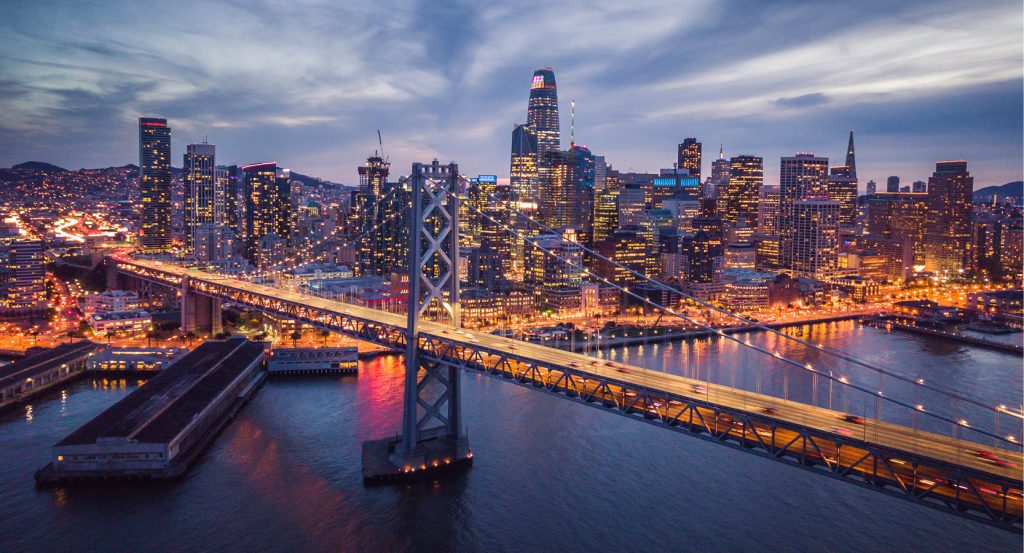
Running through Nob Hill between Union Square and Fisherman's Wharf, this dramatic corridor connects renowned hotels, historic theaters, cable car tracks, elegant restaurants, beautifully preserved architecture, and sweeping skyline views that have shaped generations of San Francisco life. Steep hillsides, distinguished façades, and energetic pedestrian activity create a streetscape where nineteenth-century ingenuity continues complementing one of the city's most celebrated urban landscapes. Rising from the downtown core toward Nob Hill before descending to the waterfront, Mason Street remains one of San Francisco's defining historic thoroughfares. The result is a street defined by architectural grandeur, transportation heritage, and enduring metropolitan significance.
What defines Mason Street.
Mason Street is best known for passing directly beside the Cable Car Barn and Powerhouse, the continuously operating facility that has powered San Francisco's iconic cable car system since 1887, driving more than 23 miles of underground moving cable through massive winding wheels and steam-era engineering that preserve the world's last manually operated cable railway as a living piece of nineteenth-century infrastructure.
Enormous electric motors, giant sheaves, and continuously moving steel cables still operate beneath the building, allowing grip operators to propel cable cars across San Francisco's famously steep hills using technology that has remained fundamentally unchanged for well over a century. Engineers, mechanics, and preservation specialists maintain one of the world's most extraordinary working transportation systems, ensuring an engineering landmark continues serving residents and visitors alike rather than existing solely as a museum exhibit. Mason Street remains inseparable from that remarkable legacy, linking one of the city's most historic corridors with an engineering achievement recognized around the world.
How Mason Street fits.
Mason Street works as an exploration of San Francisco's transportation heritage, historic landmarks, and architectural icons.
Begin at Cable Car Museum, where the continuously operating machinery immediately establishes the corridor's extraordinary engineering legacy before exploring Mason Street. Continue toward Grace Cathedral, whose grand Gothic Revival architecture reinforces Nob Hill's remarkable architectural character. Conclude at Union Square, where celebrated public spaces, luxury shopping, and historic hotels provide a memorable finale to an itinerary shaped by engineering innovation, civic history, and urban elegance. Along the route, grand hotels, historic theaters, cable cars, hillside vistas, elegant architecture, and energetic streetscapes demonstrate how Mason Street continues connecting one of the world's most celebrated transportation systems with the city's enduring cultural identity. The progression moves naturally from engineering landmark to grand cathedral to iconic civic plaza, revealing why Mason Street remains one of San Francisco's defining historic corridors.
Where your story begins.
Foresyte Travel reveals places that feel extraordinary long before you arrive.
Enjoy editorial crafted for luxury travelers.
Foresyte may earn a commission when you book.