Why Mission Creek matters.
Mission Creek is a revitalized urban waterway where Mission Bay's environmental renewal, maritime heritage, ecological restoration, and enduring connection to San Francisco Bay have transformed a historic tidal creek into one of the city's most remarkable waterfront landscapes.
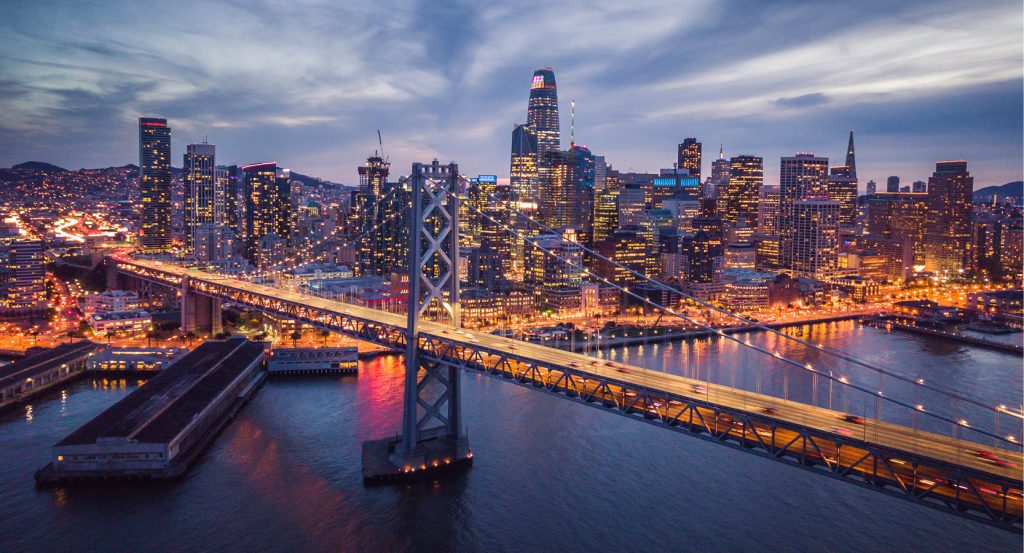
Set along Channel Street near 3rd Street and just steps from Mission Creek Park, this scenic tidal estuary winds through Mission Bay with waterfront promenades, floating houseboats, pedestrian bridges, restored marshes, and sweeping views that reconnect visitors with one of San Francisco's oldest natural waterways. Native shoreline vegetation, public parks, kayak launches, and thriving bird habitats create an environment where recreation and ecological recovery exist side by side. Every stretch of the creek reveals how thoughtful urban planning has restored public access while celebrating the landscape that shaped San Francisco long before modern development. The result is a destination defined by environmental stewardship, waterfront recreation, and historic continuity.
What defines Mission Creek.
Mission Creek is best known for preserving the last visible remnant of the historic Mission Creek watershed, which once flowed more than four miles from the slopes of Twin Peaks and Mount Davidson through the Mission District before emptying into San Francisco Bay, serving as a vital transportation corridor for Mission Dolores during the Spanish colonial era before nineteenth-century land reclamation buried nearly the entire waterway, leaving today's restored tidal channel as one of the city's most significant surviving natural and historical landscapes while supporting extensive wetland habitat restoration and renewed public waterfront access.
The creek demonstrates the dramatic transformation of San Francisco's shoreline, preserving a rare connection to the city's pre-urban geography while demonstrating the value of ecological restoration within a dense metropolitan environment. Restoration projects have enhanced tidal wetlands, improved water quality, expanded wildlife habitat, and created accessible public spaces that reconnect residents with a landscape that had largely disappeared beneath successive generations of development. Today, Mission Creek stands as a nationally recognized example of urban environmental recovery, where centuries of natural history, Indigenous and colonial heritage, and contemporary waterfront planning converge within one of San Francisco's most distinctive public spaces.
How Mission Creek fits.
Mission Creek works as part of an exploration through Mission Bay's celebrated waterfront, parks, and cultural attractions.
Begin at Mission Creek Park, where beautifully landscaped waterfront paths introduce the creek's remarkable ecological transformation before following its tidal shoreline. Continue to Chase Center, whose striking contemporary architecture reinforces Mission Bay's extraordinary evolution into one of San Francisco's premier destinations. Conclude at Oracle Park, where striking bayfront views provide a memorable finale shaped by waterfront history, environmental renewal, and urban discovery. The progression moves naturally from restored waterfront park to revitalized tidal creek to landmark arena and iconic ballpark, revealing why Mission Creek remains one of San Francisco's most remarkable examples of ecological and urban restoration.
Where your story begins.
Foresyte Travel reveals places that feel extraordinary long before you arrive.
Enjoy editorial crafted for luxury travelers.
Foresyte may earn a commission when you book.