
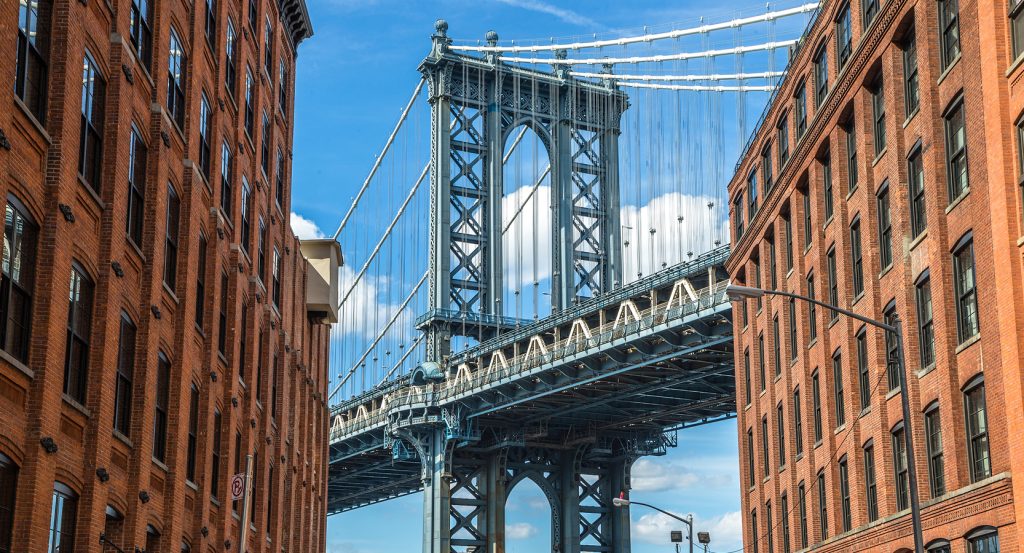
Why you should experience Montrose Avenue in New York, NY.
Montrose Avenue is a historic East Williamsburg corridor where industrial heritage, immigrant tradition, and creative reinvention converge along one of North Brooklyn's defining neighborhood streets.
Running through East Williamsburg between Bushwick and Williamsburg, this well-traveled corridor connects historic factory buildings, neighborhood businesses, converted warehouses, creative studios, residential blocks, and transit connections that demonstrate Brooklyn's remarkable industrial evolution. Brick manufacturing lofts, adaptive reuse buildings, independent cafés, working production spaces, and architecturally significant industrial structures create a streetscape where manufacturing traditions continue alongside contemporary entrepreneurship. Montrose Avenue expanded during Brooklyn's late nineteenth-century industrial boom, supporting breweries, machine shops, food manufacturers, and skilled trades whose products reached markets throughout New York and beyond. To the east, Bushwick extends this industrial landscape through interconnected warehouse districts, creative campuses, and historic commercial streets that reinforce the avenue's enduring significance. The result is a corridor defined by productive heritage, entrepreneurial energy, and neighborhood evolution.
What you should know about Montrose Avenue.
Montrose Avenue is best known for serving the Montrose Avenue station, opened on July 14, 1924, when the BMT Canarsie Line extension expanded rapid transit into Brooklyn's growing industrial neighborhoods.
The new station strengthened connections between East Williamsburg's factories, warehouses, and residential communities while improving access to Manhattan for thousands of workers during Brooklyn's manufacturing peak. The extension encouraged additional commercial investment and residential growth throughout the surrounding district, reinforcing East Williamsburg's position as one of New York City's most productive industrial centers. Montrose Avenue continues to reflect that legacy through historic factory buildings now occupied by manufacturers, artisans, technology firms, and creative businesses.
How to fold Montrose Avenue into your trip.
Montrose Avenue works as an exploration of Brooklyn's industrial heritage, neighborhood creativity, and evolving maker culture.
Begin at the Bushwick Collective, where internationally acclaimed murals immediately establish the corridor's connection to one of the world's leading destinations for public art. Continue toward Roberta's, whose influential restaurant helped redefine the neighborhood while remaining rooted in East Williamsburg's industrial landscape. From there, make your way to The City Reliquary, where thoughtfully curated exhibits reveal the industries, neighborhoods, and communities that transformed Brooklyn into one of America's great urban centers. Along the route, you'll encounter converted warehouses, independent galleries, working production spaces, neighborhood cafés, architecturally significant industrial buildings, and thriving creative businesses that reveal the corridor's exceptional depth. The progression moves naturally from internationally recognized street art to pioneering culinary destination to neighborhood history museum, demonstrating how Montrose Avenue connects industrial tradition, artistic innovation, and entrepreneurial ambition within one of Brooklyn's most compelling districts. Montrose Avenue remains one of the borough's most distinctive corridors, preserving a remarkable balance between manufacturing legacy and creative reinvention.
Where your story begins.
Foresyte Travel reveals places that feel extraordinary long before you arrive.
Experience premium editorial crafted for luxury travelers.







































































































