
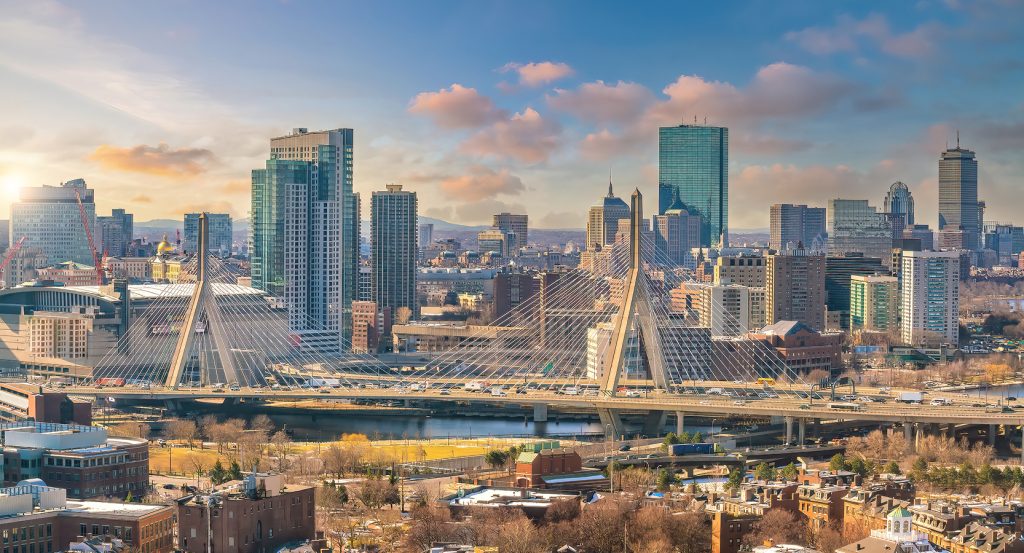
Why Newton Street matters.
Newton Street is a graceful corridor where South End's Victorian architecture, artistic heritage, residential elegance, and neighborhood character create one of Boston's most inviting urban streets.
Running through the South End between Back Bay and Roxbury, the corridor follows a historic residential alignment bordered by brick rowhouses, shaded sidewalks, intimate garden setbacks, and carefully preserved streetscapes that reflect one of America's largest surviving Victorian neighborhoods. Each successive block heightens the experience as ornate brownstone entrances, cast-iron railings, mature canopy trees, decorative masonry, and richly detailed façades reveal the exceptional craftsmanship that has distinguished the South End for more than a century. The defining moment arrives as the corridor's cohesive architecture, welcoming scale, and enduring residential fabric reveal how thoughtful nineteenth-century planning continues shaping the character of the neighborhood today. The result is an experience defined by architectural refinement, historic continuity, and one of the South End's most distinctive corridors.
What defines Newton Street.
Newton Street is best known for extending through the South End, a neighborhood created during Boston's ambitious nineteenth-century landmaking campaigns that transformed former tidal marshes into a carefully planned residential district. Development surrounding the corridor accelerated between the 1850s and 1880s as the Boston Water Power Company and the Commonwealth of Massachusetts coordinated successive filling projects that established an orderly street network and generous residential blocks. Builders introduced substantial Victorian, Italianate, Second Empire, Queen Anne, and Renaissance Revival rowhouses distinguished by red brick masonry, brownstone trim, slate mansard roofs, projecting bays, ornamental ironwork, and deeply articulated entrances that continue defining the corridor's architectural identity. Public garden squares, consistent building setbacks, and unified residential design principles reinforced the neighborhood's reputation as one of Boston's finest examples of nineteenth-century urban planning. Collectively, the South End's engineered expansion, coordinated architectural vision, distinguished masonry craftsmanship, and preserved residential fabric established Newton Street as one of the neighborhood's defining historic corridors.
Cultural institutions became the defining thread shaping the corridor as the Cyclorama Building, completed in 1884 for a panoramic painting of the Battle of Gettysburg, introduced a nationally significant exhibition space that reflected the South End's growing cultural prominence only a short walk from Newton Street. That creative environment expanded as the Boston Center for the Arts established studios, performance venues, and exhibition galleries within the surrounding neighborhood, reinforcing the artistic character experienced along the corridor without altering its residential character. Local architects, brick masons, ornamental ironworkers, and preservation specialists sustained that legacy by carefully maintaining original façades, carved brownstone details, decorative cornices, and historic ironwork that continue distinguishing Newton Street's streetscape. Together, these cultural institutions, artistic traditions, and enduring architectural craftsmanship demonstrate how Newton Street developed within a neighborhood where residential elegance and creative expression have reinforced one another across generations.
How Newton Street fits.
Newton Street works as a walk through the South End's architectural heritage and creative culture.
Begin at Cathedral of the Holy Cross, where soaring Gothic Revival architecture establishes the historical setting before naturally leading toward Newton Street's residential blocks. Continue to SoWa Art + Design District, where galleries, artist studios, and design spaces deepen appreciation for the neighborhood's longstanding creative character while extending the experience through the South End. Conclude at Union Park, where one of Boston's finest nineteenth-century garden squares provides the historical payoff by revealing the landscape design and residential planning that shaped Newton Street from its earliest years. The progression moves naturally from architectural ambition to artistic expression before concluding with the carefully planned public landscape that defines the South End's enduring character.
Where your story begins.
Foresyte Travel reveals places that feel extraordinary long before you arrive.
Enjoy editorial crafted for luxury travelers.
Foresyte may earn a commission when you book.







































































































