Why Pacific Avenue matters.
Pacific Avenue is a historic Jackson Square corridor where Gold Rush heritage, architectural resilience, and cultural reinvention converge along one of San Francisco's most storied streets.
Running through Jackson Square between North Beach and Nob Hill, this distinguished corridor connects beautifully preserved brick commercial buildings, acclaimed restaurants, luxury design showrooms, historic landmarks, neighborhood cafés, and intimate streetscapes that reflect successive eras of San Francisco's remarkable evolution. Nineteenth-century warehouses, elegant storefronts, and carefully restored architecture create an environment where frontier commerce continues complementing contemporary sophistication. Once at the heart of the city's earliest business district, Pacific Avenue remains one of San Francisco's most architecturally significant historic corridors. The result is a street defined by commercial heritage, architectural distinction, and enduring civic character.
What defines Pacific Avenue.
Pacific Avenue is best known for preserving one of the world's largest surviving concentrations of pre-1906 Gold Rush commercial buildings, where dozens of brick warehouses and mercantile structures escaped the devastating earthquake and fire, creating an exceptionally rare nineteenth-century streetscape that offers one of the clearest surviving windows into San Francisco before its greatest urban disaster.
Merchants, shipping companies, importers, and financial firms established enduring commercial foundations along the corridor during the Gold Rush, leaving behind an architectural legacy that survived when much of the surrounding city was lost. Careful preservation transformed the avenue into an internationally significant historic district where original masonry buildings continue serving contemporary businesses while retaining their nineteenth-century character. Pacific Avenue remains one of San Francisco's finest expressions of architectural continuity, linking the city's frontier origins with its modern urban identity.
How Pacific Avenue fits.
Pacific Avenue works as an exploration of San Francisco's Gold Rush history, architectural landmarks, and waterfront heritage.
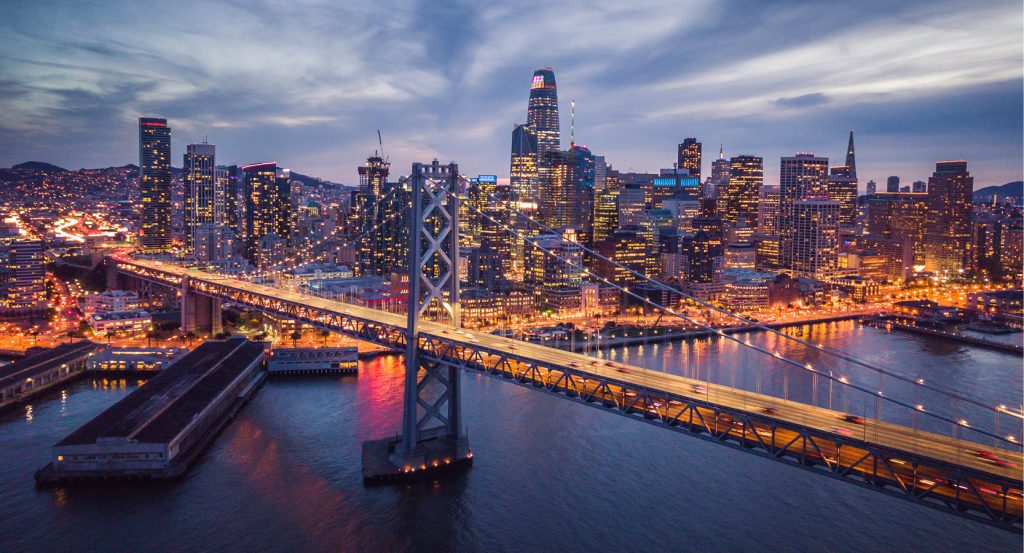
Begin at Jackson Square Historic District, where beautifully preserved nineteenth-century commercial buildings immediately establish the corridor's extraordinary historical significance before exploring Pacific Avenue. Continue toward Transamerica Pyramid, whose iconic silhouette highlights the remarkable evolution of San Francisco's skyline from Gold Rush warehouses to modern architectural innovation. Conclude at Ferry Building Marketplace, where restored waterfront architecture, artisan food vendors, and panoramic bay views provide a memorable finale to an itinerary shaped by commerce, preservation, and civic history. Along the route, historic brick buildings, elegant design galleries, acclaimed restaurants, neighborhood cafés, intimate alleyways, and beautifully restored storefronts demonstrate how Pacific Avenue continues connecting one of America's greatest Gold Rush landscapes with the contemporary vitality of Downtown. The progression moves naturally from historic commercial district to architectural icon to celebrated waterfront landmark, revealing why Pacific Avenue remains one of the city's most compelling historic corridors.
Where your story begins.
Foresyte Travel reveals places that feel extraordinary long before you arrive.
Enjoy editorial crafted for luxury travelers.
Foresyte may earn a commission when you book.