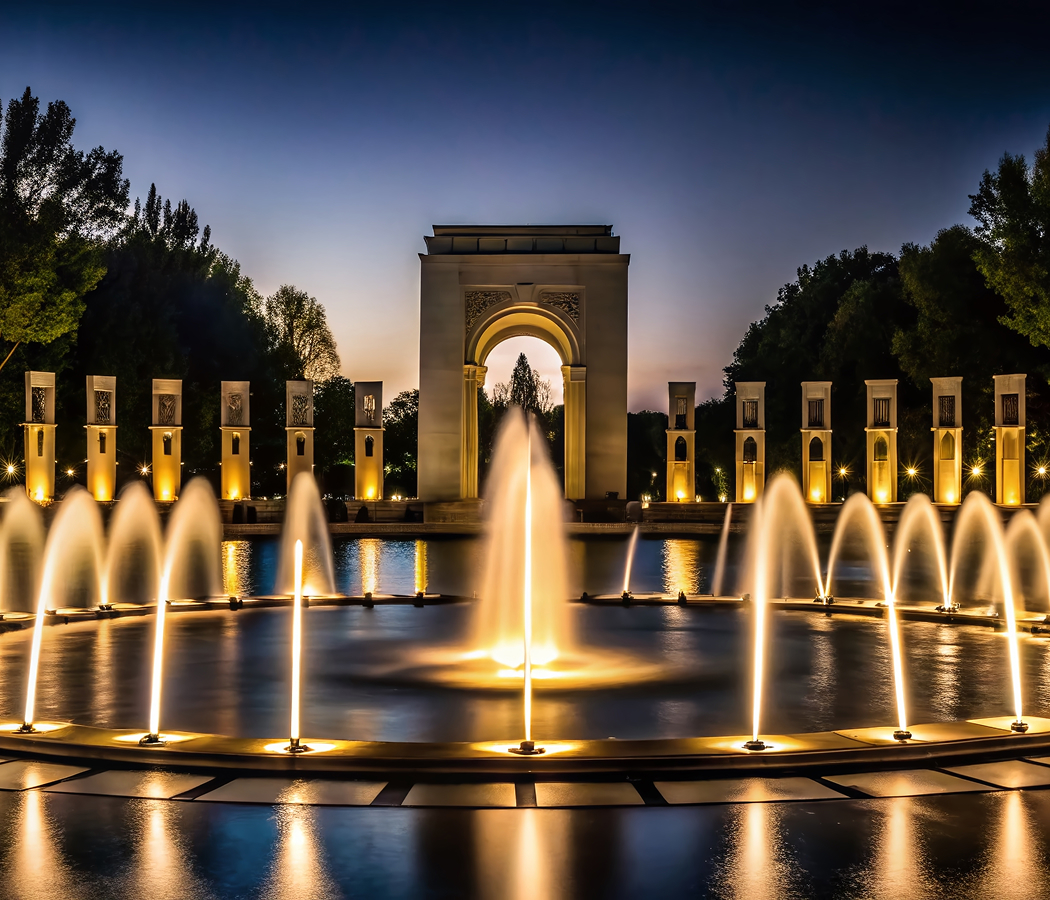
Why you should experience Pinehurst Avenue in New York, NY.
Pinehurst Avenue is a remarkable Upper Manhattan corridor where dramatic topography, architectural distinction, and residential elegance converge along one of Manhattan's most beautiful streets.
Running through Hudson Heights between Washington Heights and Fort Tryon Park, this picturesque avenue connects landmark apartment buildings, historic residential districts, scenic overlooks, public parks, community institutions, and neighborhood gathering places that have shaped local life for generations. Curving roadways, elevated terrain, prewar architecture, landscaped setbacks, and sweeping Hudson River vistas create a streetscape defined by serenity and grandeur. The corridor developed during the early twentieth century as improved transportation links encouraged residential growth across northern Manhattan, attracting architects and developers eager to capitalize on the area's unique geography. Residents, planners, preservationists, and community leaders helped establish a neighborhood character celebrated for its beauty and livability. To the north, Fort Tryon Park extends naturally from Pinehurst Avenue through a collection of historic landscapes, cultural institutions, and scenic viewpoints that reinforce the corridor's enduring significance. The result is a street defined by architectural excellence, natural beauty, and enduring residential character.
What you should know about Pinehurst Avenue.
Pinehurst Avenue is best known for anchoring the Hudson Heights Historic District, a preserved collection of early twentieth-century apartment buildings recognized as one of New York City's most architecturally cohesive residential neighborhoods.
Developed primarily between 1909 and 1939, the district contains an exceptional concentration of apartment houses designed in Tudor Revival, Art Deco, and other revival styles that reflect the ambitions of Upper Manhattan's residential expansion. The neighborhood's dramatic topography and consistent architectural quality helped create a uniquely unified urban landscape rarely found elsewhere in the city. Preservation efforts ensured that much of the district's original character survived periods of redevelopment and change. Today, architects, historians, and residents continue to celebrate the area as one of Manhattan's finest examples of planned residential design. Few New York streets maintain such a direct relationship with a historic district so widely admired for its architectural harmony and sense of place.
How to fold Pinehurst Avenue into your trip.
Pinehurst Avenue works as an exploration of Upper Manhattan's architectural heritage, scenic landscapes, and neighborhood character.
Begin at Hudson Heights Historic District, where the corridor's defining relationship with residential design and urban planning immediately comes into focus. Continue toward Fort Tryon Park, whose dramatic landscapes reveal the natural geography that helped shape the surrounding neighborhood across generations. From there, make your way to The Met Cloisters, where one of New York's most distinctive cultural institutions provides broader perspective on the artistic and historical influences that distinguish northern Manhattan from the rest of the city. Along the route, you'll encounter prewar apartment houses, landscaped streetscapes, historic residential buildings, public parks, architectural landmarks, scenic overlooks, and celebrated city views that showcase the remarkable depth of the district. The progression moves naturally from Hudson Heights Historic District to Fort Tryon Park to The Met Cloisters, revealing how architecture, landscape, and preservation combined to shape one of Manhattan's most rewarding residential corridors. Pinehurst Avenue remains one of New York's most captivating streets, preserving a distinctive balance between architectural distinction, natural beauty, and neighborhood authenticity.
Where your story begins.
Foresyte Travel reveals places that feel extraordinary long before you arrive.
Experience premium editorial crafted for luxury travelers.