
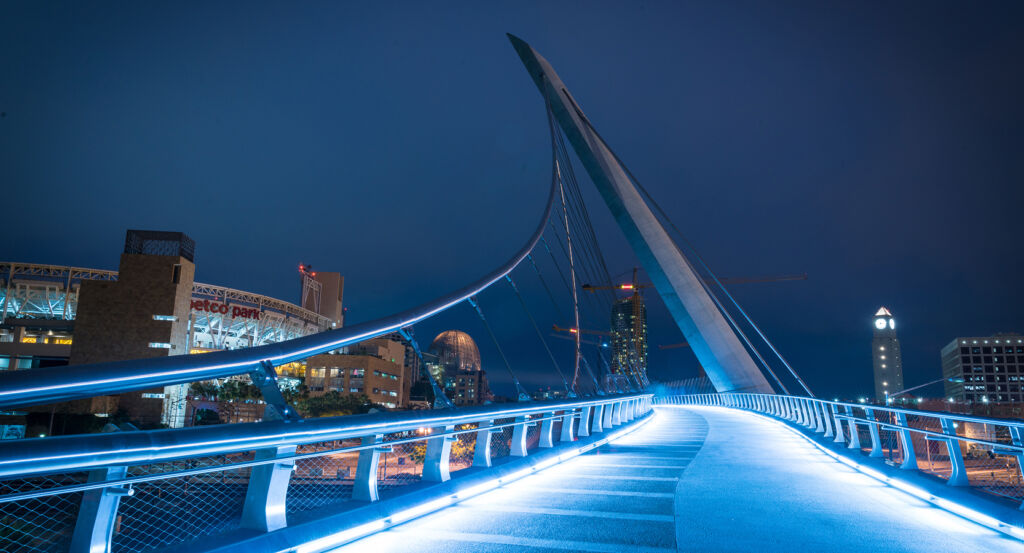
Why you should experience Redwood Street in San Diego, California.
Redwood Street is a cultivated corridor where South Park's artistic spirit, early twentieth-century architecture, neighborhood traditions, and urban greenery create one of Central San Diego's most distinctive residential experiences.
Running through South Park between Golden Hill and North Park, the corridor connects Craftsman homes, independent cafés, neighborhood boutiques, community gathering places, and tree-lined residential blocks that collectively reflect more than a century of thoughtful neighborhood evolution. California Bungalows, Spanish Colonial Revival residences, jacarandas, coast live oaks, mature palms, and landscaped parkways establish a streetscape where architectural craftsmanship and walkable living remain inseparable from the surrounding community. Throughout the corridor, creative enterprise, historic preservation, and neighborhood continuity reinforce an atmosphere shaped by generations of local stewardship. The result is an experience defined by architectural warmth, artistic character, and one of South Park's most inviting residential corridors.
What you should know about Redwood Street.
Redwood Street is best known for extending through South Park, whose principal period of development accelerated during the 1905-1930 streetcar era as residential subdivisions expanded east of Balboa Park into one of San Diego's finest collections of early twentieth-century housing. The surrounding neighborhood preserves numerous Craftsman, California Bungalow, Spanish Colonial Revival, and Prairie School residences distinguished by exposed rafter tails, clinker-brick chimneys, hand-crafted woodwork, art-glass windows, broad porches, and ornamental gables. Nearby Balboa Park, established in 1868 as City Park before becoming the centerpiece of the 1915-1916 Panama-California Exposition, profoundly influenced South Park's residential desirability and long-term urban form. Mature jacarandas, California sycamores, coast live oaks, Allen's hummingbirds, monarch butterflies, western scrub-jays, and drought-tolerant native plantings contribute to the corridor's ecological richness throughout the year. Together, these architectural traditions, exposition-era milestones, streetcar expansion, and urban biodiversity establish Redwood Street as a defining expression of South Park's historical evolution.
Independent bookstores, neighborhood bakeries, family-owned cafés, artist studios, and locally operated specialty shops gradually established a commercial culture that complemented the surrounding residential fabric while preserving the district's intimate scale. Skilled builders incorporated decorative brickwork, river-stone foundations, pergolas, built-in cabinetry, and finely detailed millwork into many of the neighborhood's homes, leaving behind craftsmanship that continues distinguishing South Park today. Rolling topography, generous street setbacks, and a mature tree canopy soften the urban landscape while reinforcing the corridor's enduring sense of cohesion and livability. Together, these locally rooted businesses, enduring construction traditions, and carefully maintained landscapes demonstrate how Redwood Street continues expressing a neighborhood shaped by creativity, preservation, and community pride.
How to fold Redwood Street into your trip.
Redwood Street works as an exploration of South Park's architecture, neighborhood culture, and parkland setting.
Begin at South Park Commons, where neighborhood gathering spaces, independent businesses, and a relaxed streetscape introduce the community character that distinguishes this corner of San Diego. Continue to Juniper and 30th Street Bridge, where sweeping views into Balboa Park deepen appreciation for the relationship between South Park's residential fabric and the city's premier cultural landscape. Conclude at Spanish Village Art Center, where working artist studios housed within Balboa Park provide the historical and creative payoff while celebrating the artistic traditions that continue shaping the surrounding neighborhood. The progression moves naturally from neighborhood life through panoramic parkland views before culminating in one of San Diego's most enduring artistic destinations, creating an experience that fully reflects the character of Redwood Street.
Where your story begins.
Foresyte Travel reveals places that feel extraordinary long before you arrive.
Experience premium editorial crafted for luxury travelers.





































































































