
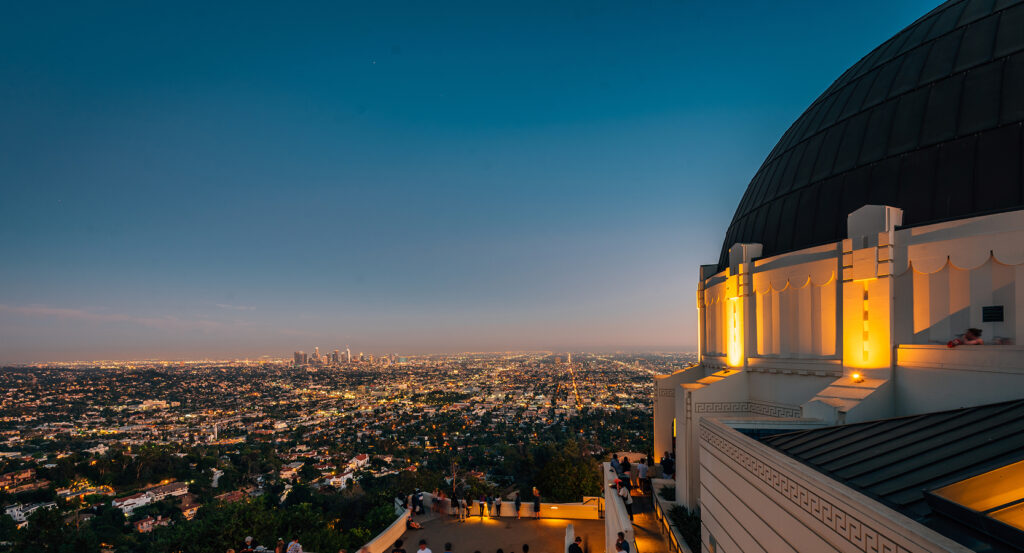
Why Rosemont Avenue matters.
Rosemont Avenue is a graceful corridor where Linda Vista's hillside landscapes, architectural heritage, educational institutions, and proximity to the Arroyo Seco define one of Pasadena's most distinctive residential thoroughfares.
Running through Linda Vista between Arroyo Seco and Annandale, the corridor connects neighborhood streets, schools, parks, historic residences, and cultural institutions that collectively reflect Pasadena's evolution as one of Southern California's most influential planned communities. Mature oak trees, winding hillside alignments, carefully preserved residences, and landscaped streetscapes maintain a corridor shaped by early twentieth-century planning and sensitive residential development. Educational institutions, neighborhood organizations, municipal agencies, and local residents continue reinforcing Rosemont Avenue's importance while supporting community life, recreation, and preservation throughout western Pasadena. The result is an experience defined by hillside scenery, architectural continuity, and the enduring character of Linda Vista.
What defines Rosemont Avenue.
Rosemont Avenue is best known for traversing the Linda Vista neighborhood, whose residential development accelerated during the early twentieth century following subdivision of lands associated with the 13,316-acre Rancho San Pascual, granted in 1834 by Governor José Figueroa to Juan Mariné before later ownership by José Pérez and acquisition by Benjamin D. Wilson profoundly influenced Pasadena's formation. The corridor developed as Pasadena expanded westward beyond the Arroyo Seco, where improved roadways and street planning connected hillside residential districts with the city's growing commercial and civic center during the first decades of the twentieth century. Rosemont Avenue lies near the Colorado Street Bridge, completed in 1913 under chief engineer John Drake Mercer, whose reinforced-concrete open-spandrel arch design spans 1,467 feet across the Arroyo Seco and remains one of California's most celebrated engineering works. Development surrounding the corridor benefited from establishment of the Jet Propulsion Laboratory in 1936 within nearby Arroyo Seco, whose pioneering research in rocketry, planetary exploration, and space science strengthened Pasadena's international reputation for scientific innovation while influencing long-term residential growth in western neighborhoods.
The Rose Bowl, completed in 1922 by architect Myron Hunt, has hosted the annual Rose Bowl Game since 1923, FIFA World Cup matches in 1994, and Olympic events, reinforcing the cultural significance of western Pasadena immediately east of Rosemont Avenue. The Arroyo Seco, designated under multiple regional conservation initiatives, remains one of Southern California's most historically significant natural corridors, supporting native riparian habitat while shaping flood-control engineering and park development throughout the surrounding area. The Norton Simon Museum, opened in 1975 within a building originally constructed for the 1969 Pasadena Art Museum, houses internationally recognized collections spanning European, Asian, and South Asian art that enrich the cultural landscape surrounding the corridor. The Linda Vista-Annandale Association continues advocating for neighborhood preservation, traffic management, and architectural stewardship, helping maintain the residential character that distinguishes Rosemont Avenue.
How Rosemont Avenue fits.
Rosemont Avenue works as an exploration of Pasadena's architectural heritage, engineering achievements, and cultural institutions.
Begin at Colorado Street Bridge, where sweeping views of the Arroyo Seco and one of California's most celebrated bridges introduce the landscape that shaped development around Rosemont Avenue before following the corridor through Linda Vista. Continue to Rose Bowl, where nearly a century of collegiate football, international sporting events, and civic gatherings reflects the enduring public significance of western Pasadena. Conclude at Norton Simon Museum, where internationally renowned collections and thoughtfully curated galleries provide a memorable finale celebrating the artistic traditions that complement Pasadena's architectural and historical legacy. The progression moves naturally from engineering to civic history before concluding with world-class art, revealing why Rosemont Avenue continues expressing the enduring character of Linda Vista.
Where your story begins.
Foresyte Travel reveals places that feel extraordinary long before you arrive.
Enjoy editorial crafted for luxury travelers.
Foresyte may earn a commission when you book.





































































































