
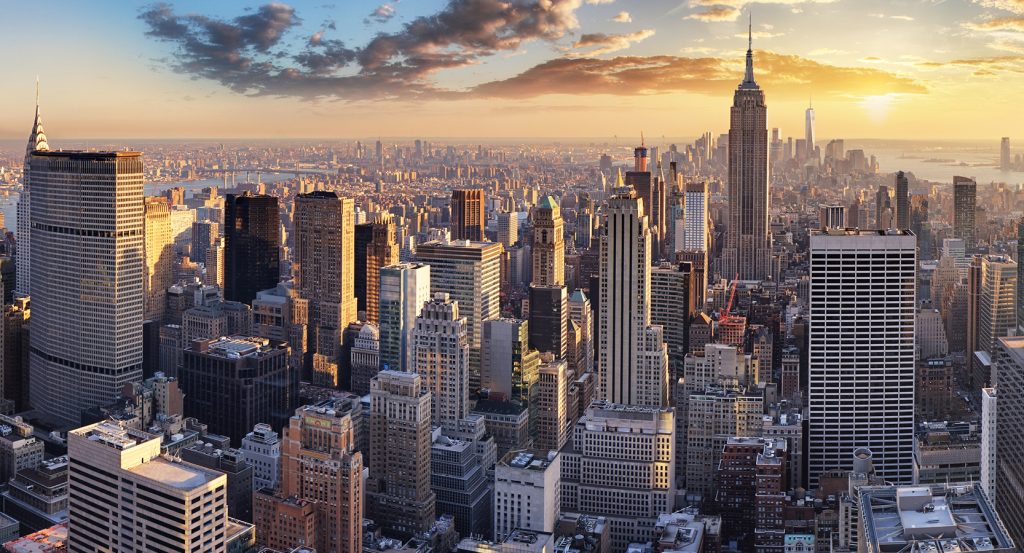
Why Sugar Hill Historic District matters.
Sugar Hill Historic District is a celebrated enclave where Harlem's architectural grandeur, African American cultural leadership, artistic achievement, and intellectual legacy converge into one of New York City's most historically influential neighborhoods.
Positioned between Hamilton Heights, Central Harlem, and Washington Heights, elegant rowhouses, landmark apartment buildings, tree-lined streets, and elevated vistas create an environment where generations of artists, scholars, and civic leaders shaped one of the defining chapters of American cultural history. Distinguished architecture, remarkable literary and musical heritage, and enduring neighborhood institutions preserve a streetscape whose influence extends far beyond Upper Manhattan. Historic preservation, residential continuity, and profound cultural significance collectively reinforce a neighborhood whose legacy remains inseparable from the Harlem Renaissance and twentieth-century Black intellectual life. The result is an experience defined by architectural distinction, cultural achievement, and a neighborhood whose influence continues resonating throughout American history.
What defines Sugar Hill Historic District.
Sugar Hill Historic District is best known for emerging during the early twentieth century as Harlem's premier residential enclave after affluent African American professionals, entertainers, attorneys, physicians, educators, and civic leaders established one of the nation's most influential Black communities within an exceptional collection of late nineteenth- and early twentieth-century architecture. The neighborhood derives its name from the phrase “living on sugar hill,” reflecting the prosperity achieved by many residents during the Harlem Renaissance, while its built environment includes Romanesque Revival, Renaissance Revival, Beaux-Arts, Neo-Renaissance, and Art Deco apartment buildings and rowhouses constructed primarily between the 1880s and the 1930s. The New York City Landmarks Preservation Commission designated the Sugar Hill Historic District in 2000, recognizing 130 contributing buildings whose architectural integrity documents the neighborhood's evolution into a nationally significant cultural center. Residents including W. E. B. Du Bois, Thurgood Marshall, Duke Ellington, Count Basie, Adam Clayton Powell Jr., Walter Francis White, and numerous other prominent figures established Sugar Hill as one of the most distinguished residential addresses in African American history.
Educational leadership expanded alongside cultural achievement through institutions including City College of New York, whose proximity fostered an intellectual environment that attracted scholars, writers, attorneys, and civil rights advocates seeking both academic opportunity and professional advancement. Residential investment accelerated after the opening of the IRT Broadway-Seventh Avenue Line and 8th Avenue subway, strengthening connections between Upper Manhattan and Midtown while encouraging continued apartment construction throughout the 1920s and 1930s. Publishing, journalism, and civil rights organizations flourished as newspapers, professional associations, and advocacy groups drew upon the neighborhood's concentration of accomplished residents to influence national conversations on race, education, politics, and culture. Together, these educational, transportation, and institutional developments demonstrate how Sugar Hill Historic District evolved into a community whose architectural significance is inseparable from its extraordinary intellectual and cultural influence.
How Sugar Hill Historic District fits.
Sugar Hill Historic District works as a full-day exploration of Harlem's architectural heritage, artistic legacy, and cultural leadership.
Begin at Sugar Hill Children's Museum of Art & Storytelling, where exhibitions celebrating art, literature, and community creativity introduce the cultural values that continue defining the neighborhood today. Continue to Morris-Jumel Mansion, whose eighteenth-century architecture, Revolutionary War history, and commanding hilltop setting provide historical context for the landscape that later became Sugar Hill. Conclude at St. Nicholas Park, where dramatic escarpments, sweeping city views, and the surrounding landmark streetscape provide a fitting finale celebrating the neighborhood's architectural beauty and enduring place within Harlem's cultural history. The progression moves naturally from contemporary cultural expression through colonial history before concluding within the elevated landscape that helped shape one of America's most influential African American neighborhoods.
Where your story begins.
Foresyte Travel reveals places that feel extraordinary long before you arrive.
Enjoy editorial crafted for luxury travelers.
Foresyte may earn a commission when you book.







































































































